
Bathroom blues
How to ease constipation
Key Takeaways:
- Constipation usually means having three or fewer bowel movements a week.
- There are many reasons for constipation including stress, lack of fiber and activity and certain medications.
- The best ways to get things moving are more exercise, add fiber to your diet and stay hydrated.
- If constipation remains a problem for a few weeks, contact your medical provider.
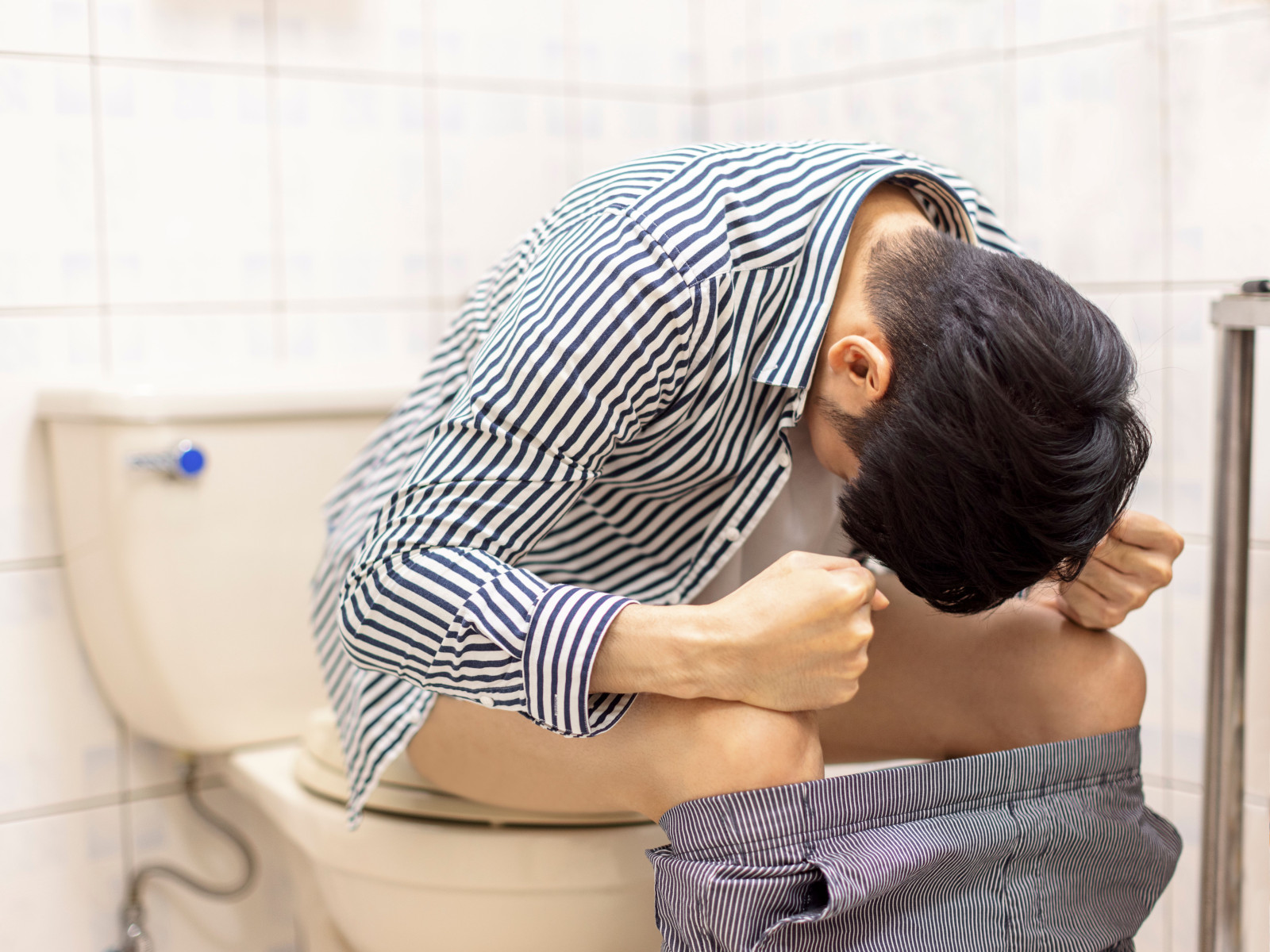
We’ve all been there. That uncomfortable feeling in your gut. The annoying stomach pain. The bloating and the difficulty of having a complete bowel movement. No matter what you do or what you try, you just can’t go.
You might be constipated.
Many times, it’s a temporary setback. Maybe it was that late night pizza or one too many hot dogs that has you backed up. But for others, it can be a chronic problem due to diet, medication, lack of exercise or dehydration. Sometimes, constipation can be a sign of something more serious.
Constipation usually means three or fewer bowel movements a week, says Breanne Gendron, a nurse practitioner with OSF HealthCare.
“Constipation is usually defined by discomfort in their abdomen because they haven't been going to the bathroom and having bowel movements as often as they should,” she says. “Some people have bowel movements every day. Some people have bowel movements every third day, and that's their normal.”
There are plenty of reasons why people get plugged up from time to time. Certain medications can play a role in constipation. Pain medications, calcium supplements and some antidepressants have an influence.
Opioids bind to receptors in the intestines, which slows down the movement of food and waste (stool) through the colon. Additionally, opioids also increase water absorption in the intestines, making the stool harder and more difficult to pass.
There are other factors that can impact bowel movements such as travel, stress, a lack of activity or anything that interferes with your normal routine.
“The most common cause of constipation is dehydration, lack of activity and not enough fiber in your diet,” says Gendron, who adds that fiber provides bulk to stools, making them easier to pass. “It’s easy to add fiber powder to your coffee in the morning. But when you have fiber without hydration that can cause issues; so, it's about making sure that you're getting 40 to 60 ounces of water every day.”
There are also non-diet and exercise-related causes of constipation. Structural changes such as a tumor or hemorrhoids can cause constipation and so can stress and anxiety.
Constipation can frustrate anyone, from young children to older people. Children between the ages of 5 to 12 will complain to their parents of stomach pain due to a lack of regularity. As for older adults, the digestive track tends to slow down as we age.
“I can say 30 to 40% of people over the age of 65 have constipation issues,” Gendron says. “So, it is a common thing that older people deal with. As we age, we have to have a plan. That means getting more active, drinking more water, eating fiber or adding a fiber supplement to their life.”
Making changes
Becoming regular again usually boils down to dietary and lifestyle changes. Gendron says the fiber goal should be 25 to 30 grams each day. Some of the best foods that help with fiber intake include beans, leafy vegetables, oatmeal, nuts, berries and apples.
Take time for at least 30 minutes of exercise a day. Walking is great way to kickstart your bowels. And establish a routine. Get in the habit of going to the bathroom at the same time each day. And never put off the urge to go.
If you’ve tried all these things and still feel stuck, talk to your medical provider, who might order an x-ray for a closer look.
“I usually recommend some combination of over-the-counter options,” says Gendron. “MiraLAX® is safe because it's not absorbed systemically. It just pulls fluid into your bowels and helps things move along.”
Constipation is considered chronic when the problem lasts three weeks or longer. Gendron says that many people end up in the emergency department with constipation due to the length of time and discomfort they experience.
So, if your constipation does not go away through diet, hydration and exercise, or your symptoms become worse, such as blood in your stool, fever or vomiting, it’s time for medical intervention.
For more information on constipation and other gastrointestinal issues, visit the OSF HealthCare website.