
Restoring your voice
Key takeaways:
- Dysarthria is a voice disorder commonly brought on by a neurological issue. Slurred speech is a common symptom.
- Dysphonia can bring voice tremors.
- Vocal cord paralysis happens after trauma to the throat.
- Treatment for these disorders could include vocal exercises or surgery. If someone's voice can't be restored, they may get a communication device.
Author's note: This is part one of a two part story on voice disorders and maintaining your voice. Click here for part two.
Julie Andrews, Shania Twain and Selma Blair are among the many celebrities who have dealt with a voice disorder. When the gossip magazine headlines end, health care providers are there to dive deep into what causes these problems and give hope to people who want to communicate with confidence again.
Types of disorders
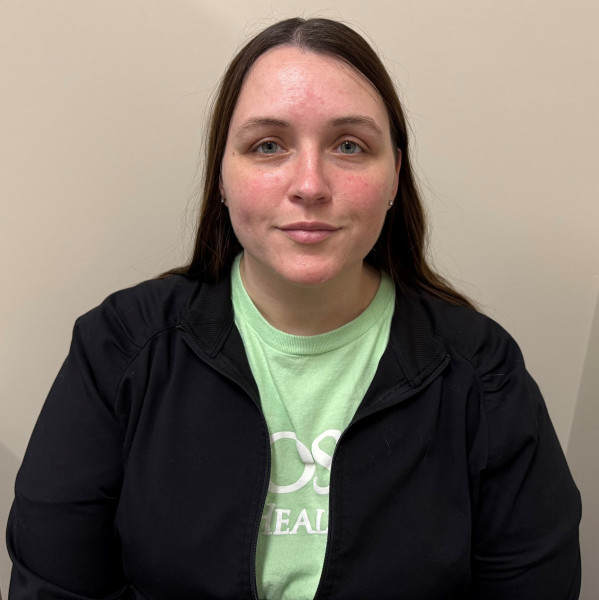
Ashley Brim, a speech language pathologist at OSF HealthCare, breaks down common voice disorders:
- Dysarthria (pronounced diss-ARR-three-ah): Brim says this common voice disorder could be brought on by a neurological issue, such as the effects of a stroke, Parkinson’s disease or a traumatic brain injury. Muscle issues and medication side effects can also play a role. It all leads to the most common symptom: slurred speech. Brim says to picture trying to talk with a mouth full of marbles. The person’s speech could also be a different volume (too quiet or too loud) and speed (too slow or too fast).
“There’s a restorative approach where we do different types of [vocal] exercises. Try to get that voice to where it sounds better and clearer,” Brim explains. “Then there’s a compensatory approach. For a person with Parkinson’s or amyotrophic lateral sclerosis [ALS] where their voice probably isn’t going to improve in the long run, we might look at an alternative communication device. Or, do we need environmental assistance to help them communicate?”
A communication device could include a voice box to amplify speech or, if someone has lost their voice entirely, a speech generating tablet.
“The [speech generating device] has a bunch of communication presets on it,” such as common phrases conveying hunger or pain, Brim says. “They can have it pre-programmed with their actual voice before they lose it.”

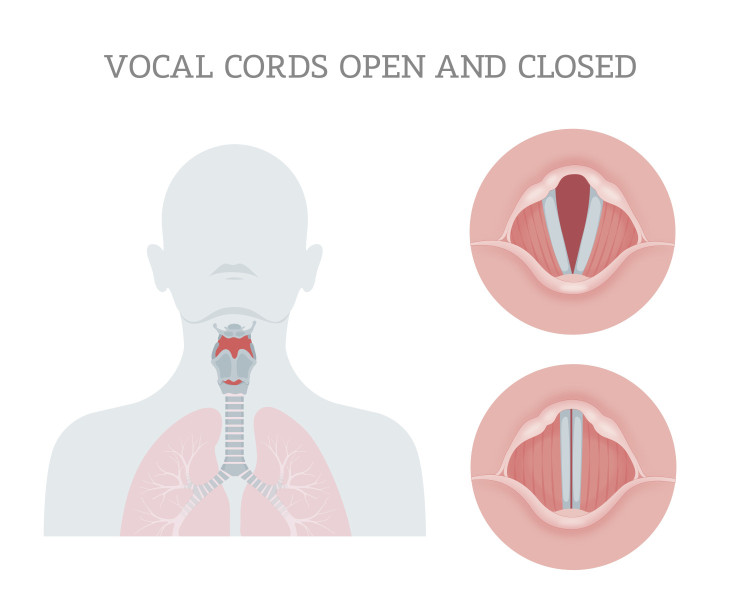




- Dysphonia (pronounced diss-PHONE-ee-ah): This is a general term to describe a voice abnormality, Brim says. Neurological issues and brain injuries are common causes.
“The most common dysphonia people know is spasmodic dysphonia. We really don’t know a specific cause. We assume it’s neurological,” Brim says. “This brings voice tremors. The vocal cords are not abducting or adducting correctly.
“When they’re adducting, the vocal cords are coming together. If you have an adductor-type spasmodic dysphonia, the vocal cords aren’t wanting to go away from each other. They’re wanting to stay together. So there’s a really strained voice. It sounds very harsh, almost like people are trying to force the voice out,” Brim outlines.
“Or you have abductor dysphonia, where the vocal cords are pulling away. The person has a breathy voice because the vocal cords are open all the time. Speech comes out very quiet and whispery. They’re losing all their air in one go,” Brim adds.
Treatment could include voice exercises or Botox injections. Or, if the person has a nodule or polyp on the vocal cords, those can be removed surgically.
“We go over healthy voice habits, such as increasing water intake,” Brim says, describing how she might work with someone after surgery. “Have a humidifier in the house to help increase moisture in the air. Use more of a quiet voice. Try not to yell or project too loudly because that can strain the vocal cords. Try to make your voice sound different but not in a way that causes harm.”
Something else Brim will preach to patients that you might not connect with voice issues: reduce your caffeine intake. Caffeine can increase muscle tension in your vocal cords, she says.
- Vocal cord paralysis: Brim says this is commonly caused by trauma to the throat, such as a car accident or having a breathing tube.
“It’s similar to a bruise or fracture or torn ligament. When there’s trauma to the vocal cord area, there’s damage. And that causes paralysis sometimes,” Brim says. “You can have, most commonly, unilateral vocal cord paralysis, where one doesn’t move. Or you can have bilateral [paralysis] where both aren’t moving.”
Brim says this is often treated with Botox or surgery to get the vocal cords vibrating again. The person would follow up with speech therapy.
There is hope
Brim is up front with her patients: You might not get your voice back to where it was, but you can make improvements. So don’t give up.
“I’d love to wave a magic wand and make your voice great,” Brim suggests with a smile. “But there are other steps we can take so you don’t feel locked in. You don’t feel like no one can understand you and no one can communicate with you.”
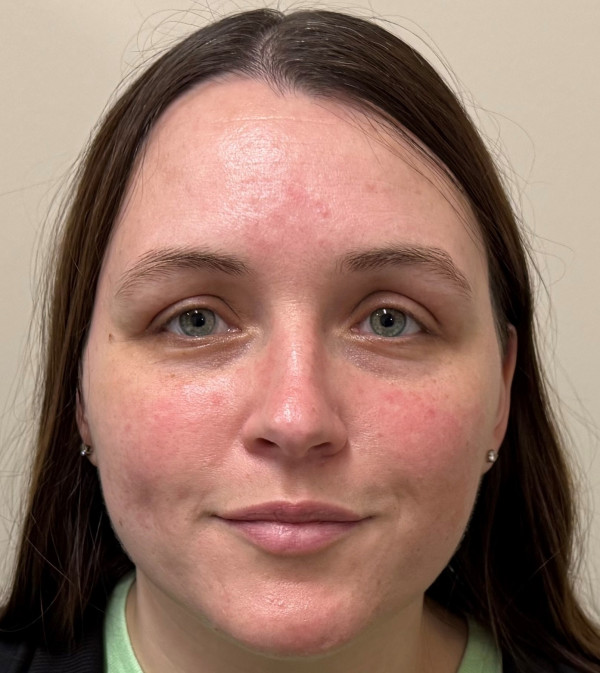
There are other steps we can take so you don’t feel locked in. You don’t feel like no one can understand you and no one can communicate with you.

Learn more
Read about all the ways medical professionals help restore voices on the OSF HealthCare website.