
Study shows low testosterone can increase mortality risk
Key Takeaways:
- Recent study reveals low testosterone in men can lead to rise in mortality risk.
- Low testosterone is a normal part of aging and most men don't have any serious symptoms
- Studies find that half of all men age 80 and older will have low testosterone
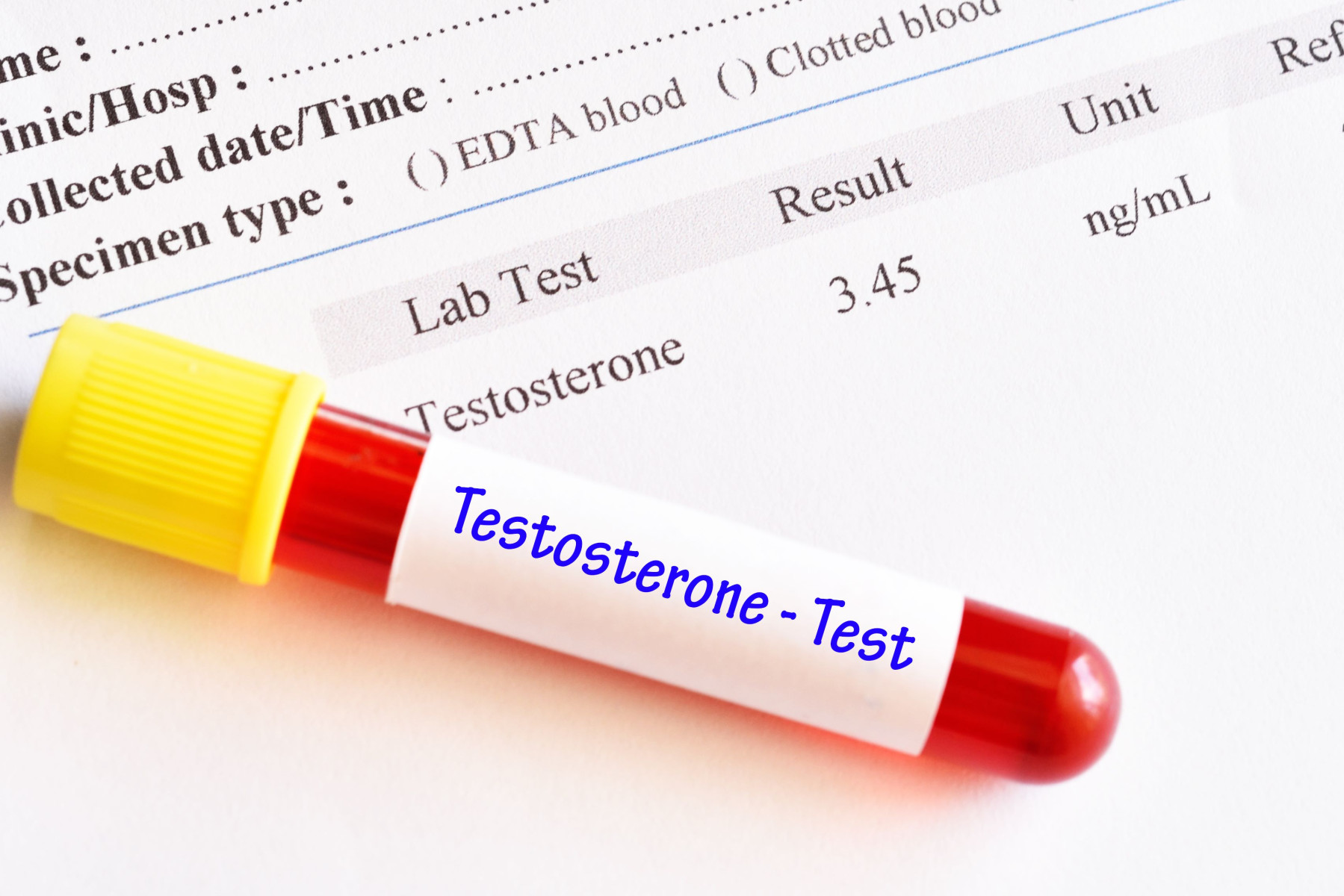
A gradual drop in testosterone is a normal part of aging and most men don’t experience any real symptoms or problems.
Others may not be so fortunate.
They may notice a lack of sex drive, muscles getting thinner and weaker and a loss of body hair over time. Or the shift can be subtle like mood changes, less energy or a lack of concentration.
Shitladas Pamnani, MD, with OSF HealthCare, says men, like women, experience major hormonal changes, especially in their testosterone levels. Some call it “male menopause.”
“Our energy goes down, sex drive goes down, it’s a natural cycle,” says Dr. Pamnani. “Our skin is not the same as we age, and other body organs, including hormone producing glands, are not functioning as well either as testosterone levels naturally decline.”
Recently, a study published in the journal Annals of Internal Medicine revealed that low testosterone in men can also lead to an increase in mortality risk.
The study was done by researchers at the University of Western Australia and included more than 24,000 subjects. The researchers reported that low baseline levels of testosterone in men are associated with an increased risk of all-cause mortality (death by any cause) and that very low levels are related to a rise in cardiovascular death.
“As we age, studies have found that 50% of men above the age of 80 will have low testosterone,” says Dr. Pamnani.
While age is a major factor in a drop in testosterone levels, illnesses can play a role, too. Type 2 diabetes, obesity and pituitary gland problems can all affect levels, as can treatments such as radiation therapy, chemotherapy and steroid medicines.
Another problem is sleep apnea.
“Obstructive sleep apnea many times goes undiagnosed, which is also linked to decreased testosterone level as well as fatigue,” Dr. Pamnani says. “Those are common symptoms that middle aged men present with and could be explained as simple as sleep apnea, or even anemia or electrolyte deficiency.”
Low testosterone is usually discovered with a blood test, which is usually scheduled in the morning. According to Dr. Pamnani, normal levels range from 300 to 1,000 ng/DL.
If you test for low blood levels of testosterone and have significant symptoms, your medical provider may prescribe supplemental testosterone. This can boost levels and may help with muscles, protect bones, help improve mood as well as sex drive. Supplements come in different forms including shots, gels, patches and tablets. Possible side effects include sleep apnea, enlarged prostate and acne. However, experts say treating normal aging with testosterone therapy is not recommended.
If you don't have a medical condition that's causing your drop in testosterone levels, Dr. Pamnani says making simple healthy lifestyle changes can help maintain proper hormonal balance, such as regular exercise and eating a healthy diet. That’s because low testosterone can also lead to fat gain. If you’re not building muscle with the calories you take in, your body turns those calories into fat.
Bottom line, he adds, is have a conversation with your doctor about any issues that may be concerning to you. It can save your life.
“When it comes to treatment, there are risks and benefits. But you should always talk to your doctor before deciding to take testosterone supplements.”