
Another piece of the cancer puzzle, part one
Key takeaways:
- Lymphedema, pelvic floor dysfunction, neuropathy, fatigue and joint pain are all side effects of cancer care that could necessitate some physical, occupational or speech therapy.
- Sticking with your rehab at home and keeping a positive outlook are key.
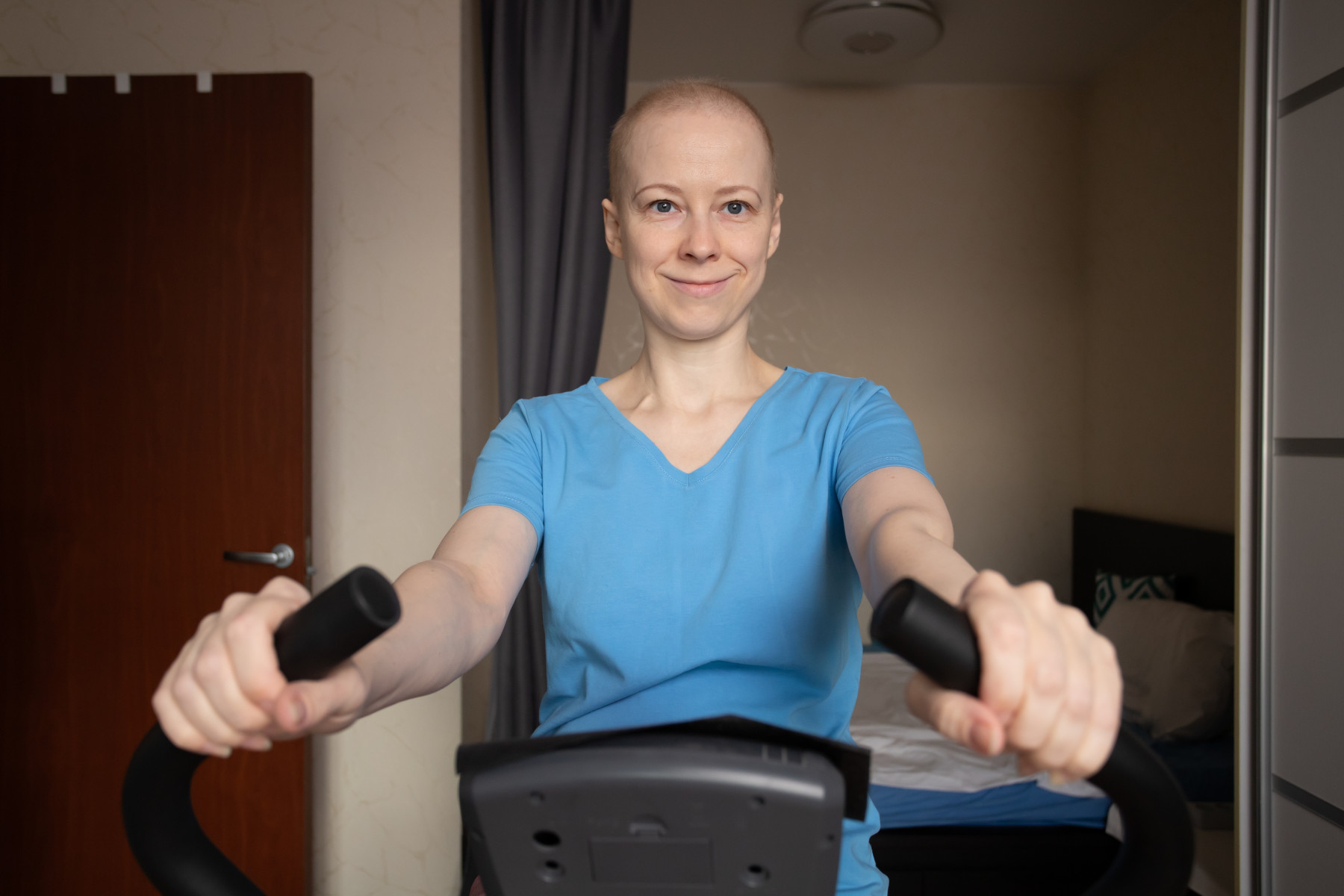
Author's note: this is part one of a two part story on rehab's role in cancer care. Click here for part two.
Cancer treatment can be taxing enough. Surgery, chemotherapy, radiation, port management – they’re all possibilities.
But your treatment plan could also send you to physical, occupational or speech therapy. OSF HealthCare physical therapists Kelly Bogowith and Susan Young are shedding some light on what to expect.
Conditions and treatments
Conditions associated with cancer that could require therapy include:
- Lymphedema: This is when fluid buildup leads to swelling in the arms or legs.
“Cancer tends to spread through lymph nodes,” Young says. “So when doctors do surgery and they’re taking out a tumor, they take out a couple lymph nodes to make sure [the cancer] hasn’t spread. One side effect that’s possible is lymphedema.
“When women have breast cancer, [doctors] will remove lymph nodes from the armpit, and the arm can swell up. Same thing for prostate cancer. The legs sometime swell up. Head and neck cancer can cause swelling in the head and neck,” she adds.
In physical therapy, people with lymphedema learn massage techniques and other lifestyle changes to reduce swelling. The person could also wear compression socks or bandages.
- Pelvic floor issues: This is when someone can’t control, contract or relax the pelvic floor muscles, leading to chronic constipation, urinary or fecal incontinence or pain. Bogowith says this can happen to men or women, young or old.
“Physical therapists who specialize in pelvic floor therapy are well versed in how to identify and manage those conditions,” Bogowith says. “These are things that should not be ignored because they’re such an important part of quality of life.”
A therapist could teach you exercises, like Kegels, that support the pelvic floor. Or, you could learn bladder control techniques, like timed voiding. This is when you pee at certain times, like once an hour, not just when you feel the urge. When you get comfortable with one hour, you can increase the time.
- Neuropathy: This can be a side effect of chemotherapy where you experience tingling, numbness, weakness or pain in your hands or feet.
“There’s no quick fix for neuropathy. Medicines can be given by a physician to help manage symptoms,” Bogowith says. “But in physical therapy, we tend to work on balance since they might have difficulty feeling ground underneath them. That can lead to falls.”
- Cancer-related fatigue: Bogowith says fatigue – physical and mental – from cancer treatment is different from everyday fatigue in that it occurs when you wouldn’t expect it. It lasts longer and it doesn’t respond to rest. Her advice to cancer survivors is to not underdo or overdo daily activities. Stay active, but listen to your body and know when to rest. Try for 30 minutes of exercise for five days a week to help maintain a healthy weight. See a mental health provider if the mental fatigue becomes unmanageable.
- Joint pain: Young says this is one you might not realize. She says cancer survivors tend to hunch over due to fatigue, stomach pain or just generally feeling down in the dumps. That poor posture can lead to neck, shoulder or back pain.
Tips and tricks
Bogowith and Young have treated plenty of cancer survivors, so they know how exhausting recovery can be. Aside from the usual advice (listen to your care team, and take advantage of community resources, they say), the two always try to keep spirits up.
“I think trying to keep a positive outlook as best you can is important. That’s not always easy, but I think mindset is important,” Bogowith says. “Also, good nutrition and proper rest.”
Says Young: “A lot of times when people have cancer, they tend to isolate themselves. Or they get isolated by their circle of friends because the friends don’t know what to do for them. Just reach out to make connections. Don’t isolate yourself.”
Learn more
Read more about how OSF supports rehabilitation and cancer patients. Cancer care at OSF includes the OSF HealthCare Cancer Institute in Peoria, Illinois.
Interview clips - Susan Young
Interview clips - Kelly Bogowith
Related stories
Kickin' cancer
A breast cancer survivor's toolkit