
From cracks to wounds: Winter skin care is important
Key takeaways:
- Cold weather can dry your skin, leading to cracks, wounds and infections.
- If the problem isn't getting better with moisturizers and ointments at home, see a health care provider. Take pictures as the skin changes to show the provider.
- Prevention of skin issues includes: moisturize daily, take warm (not hot) showers, use a humidifier, drink water and bundle up when outside.
- People with diabetes should pay extra attention to wounds, especially on their feet, since they may have reduced feeling. Delayed wound care can lead to amputations.
Dry, cold weather can be a nuisance in many ways. It’s no fun to drive in. It can bring your mood down.
But Becki Walz, PA, a primary care provider at OSF HealthCare, has another thing you need to consider: winter weather can lead to cracks and other skin issues that, if not treated, can lead to serious wounds.
Cold weather basics
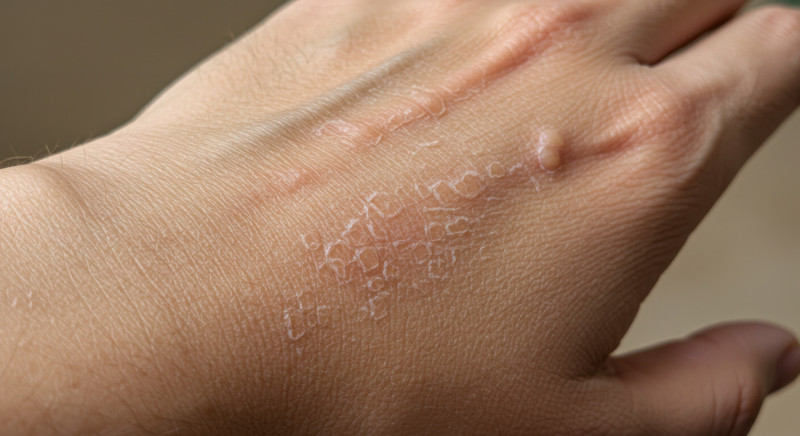
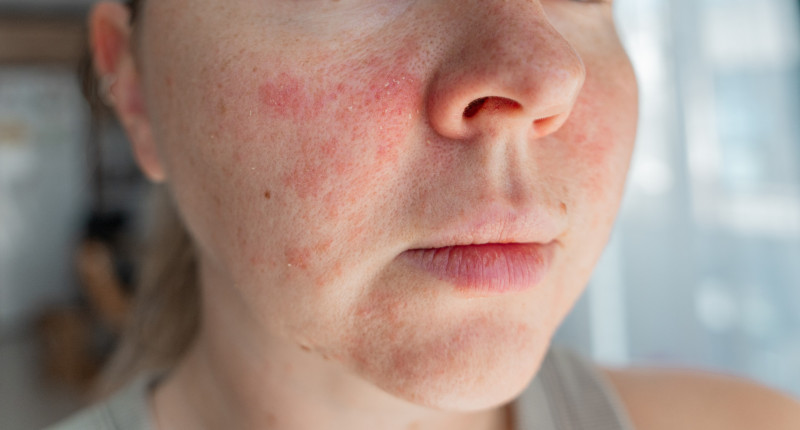
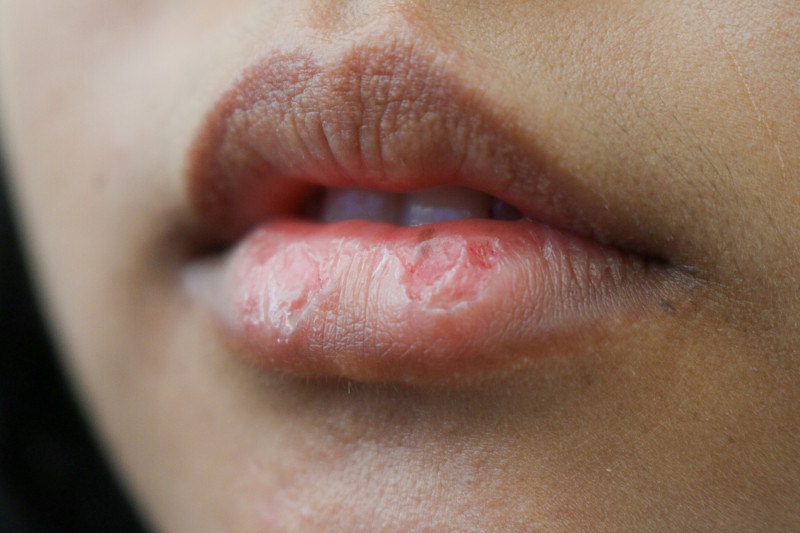
“In the winter, the air becomes cool and dry. It pulls all the moisture out of the air, which then pulls moisture out of your skin. That can disrupt the skin barrier. When your skin gets really dry, it can become flaky and itchy,” Walz explains. “As this gets worse, you can develop cracks that are painful and can bleed. More importantly when your skin starts to crack, it creates an opening for bacteria. It can lead to infections.”
If you scratch itchy skin, a wound can develop. Eczema (also called atopic dermatitis), which brings itchy, scaly patches, and psoriasis, which brings red, inflamed areas, can also occur.
Diagnosis and treatment
Walz says if your skin condition isn’t getting better at home through moisturizers and ointments (like Neosporin), see a health care provider.
“The wound is causing pain or has drainage. You notice swelling, redness or warmth. Those are all signs you could possibly have an infection,” Walz adds as more reasons to get medical attention right away.
A provider will ask when symptoms started and what you were doing at the time. For example, were you traveling? Were you around others with the same skin problem? Did you change your perfume or cologne?
“I’m also going to want to know how the skin changed from when you first started having symptoms to now,” Walz adds. “Did the skin just look dry before, and now you have redness or an open wound? Was it itchy, and now it’s just painful?”
A trick that providers love: come to your appointment with photos of what the skin looked like as the issue progressed. This gives providers a clear picture of things.
“Different diseases have different courses [in other words, how they progress]. Once you start itching the skin or putting things on it, it can change how the wound looks. So it’s important we know what it looked like at the beginning before anything else happened to the area,” Walz says.
Walz says for mild issues, a provider might recommend you just change your moisturizer and/or add a topical steroid like hydrocortisone. For infections, a provider might give you an oral or topical antibiotic.


Prevention
The top way to keep your skin healthy, Walz says, is to moisturize. Talk with your primary care provider or a dermatologist about what product is best for you. But generally, Walz says a thicker cream is better in the winter. For really dry skin, petroleum jelly can help. Chapstick is good for the lips. Walz says to moisturize from head to toe at least once a day. It can be after your morning or evening shower. If your skin is particularly dry, moisturize multiple times per day.
It’s also tempting to escape cold conditions with a hot shower. Don’t turn the lever all the way up, Walz cautions. Hot water pulls moisture out of the skin. Instead, take a warm shower for no more than 15 minutes.
“When you get out of the shower, you want to pat your skin dry. Don’t rub it dry,” Walz says. This lessens skin irritation. “Then while your skin is still a little bit damp, that’s the best time to put on the moisturizer. It will help lock in that moisture to your skin. If you let your skin completely dry, it lets all the moisture evaporate.”
A humidifier can also bring some moisture back into the air in your home. Just make sure to clean it regularly. And drinking water keeps your skin healthy, too.
“Prevention is so much easier than treating a serious wound,” Walz says. When in doubt, see a provider, she says.
A word about diabetes
For people with diabetes, winter skin and wound care is especially important.
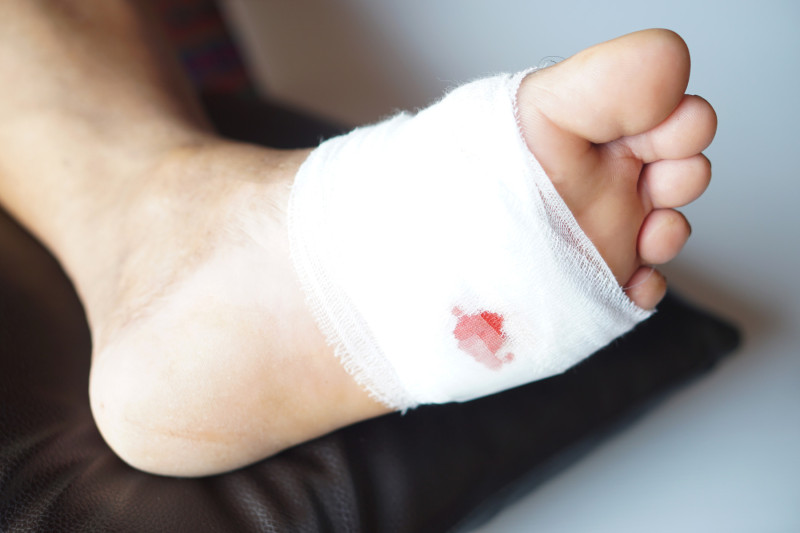
“The elevation in blood sugar causes damage to the blood vessels, and that causes decreased circulation. There are less oxygen and nutrients being delivered to a wound. Those are things the wound needs to heal and fight off infections,” Walz says. “People with diabetes can develop neuropathy [which brings decreased sensation], especially in the feet. If they were to step on something and injure their foot or develop a wound, they might not always feel it. Sometimes by the time they notice, it’s already progressing and getting a lot worse.”
Serious wounds can lead to amputations. So people with diabetes should check their skin, especially their feet, at least once a day. Check the top and bottom of the feet and between the toes. And resist the urge to walk around with no or minimal footwear. If you just need to take Fido out for a quick bathroom break, put socks and sneakers on anyway. In fact, Walz says people should bundle up as much as possible when outside in the cold. Make use of those hats and gloves.
“If you’re outside for a long period and your feet feel cold, it’s really important that when you come inside, you’re careful about how you warm your feet,” Walz adds. “We don’t want to use a heating pad, a space heater or really hot water because of the possible reduced sensation. So it’s possible they could be burning their feet, and they wouldn’t know.”
Instead, put on socks and move your feet around (toe curls or a light walk, for example).
Learn more
Read more about how to keep your skin healthy on the OSF HealthCare website. OSF OnCall also offers virtual dermatology for quick access to skin care at home.