
Danville, Illinois,
24
February
2026
|
08:00 AM
America/Chicago
Back to sleep
Summary
Key takeaways:
- Infants should sleep on their back; on a flat, firm surface and with no loose objects in the crib.
- Be wary of older cribs that aren't up on safety standards. For example, cribs with bumpers are no longer advisable.
- To keep your child warm, one extra layer of clothing can do the trick.
- It's OK for babies to fall asleep in a car seat or on a parent's chest. Just make these naps short and keep an eye on the child.
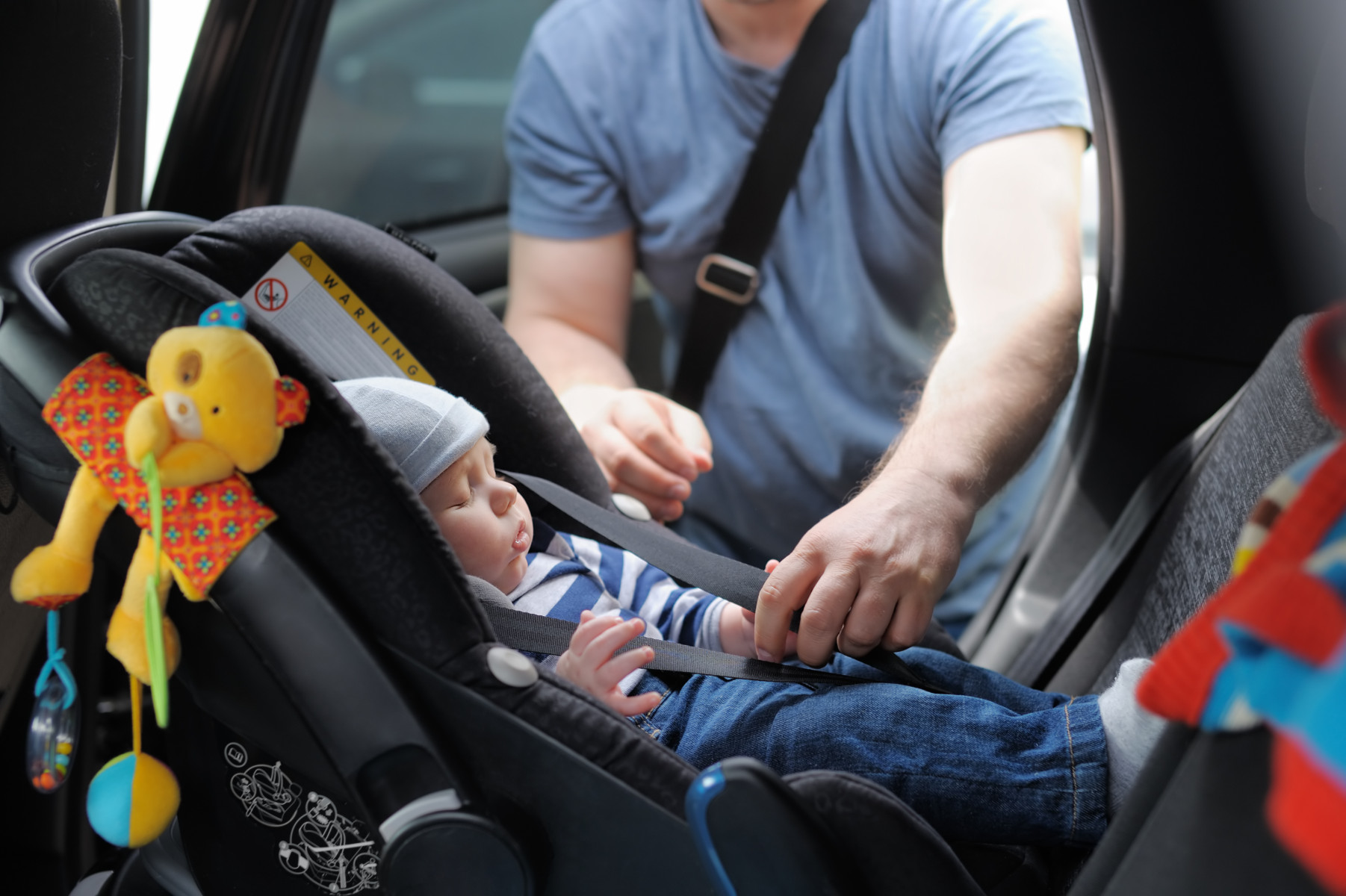
Baby in car seat
When new parents put their child to bed, it’s time for them to exhale and catch up on some rest of their own. That’s why it’s important to have peace of mind that your baby is sleeping safely. Tiffany Waters, a birthing center charge nurse at OSF HealthCare, has a checklist – whether it’s nighttime sleep in a crib or some bonding time in a recliner.
“Everybody should be educated on this,” Waters says. “Parents, grandparents, friends and your daycare.”
The guidelines
- Back vs. stomach: Waters says the American Academy of Pediatrics (AAP) guidelines say the child should sleep on their back.
“When your infant is on their stomach and unable to roll over, it can create a pocket of carbon dioxide. We all know we want oxygen in and carbon dioxide out,” Waters explains. “That little pocket can mean your baby is re-breathing the carbon dioxide.”
Waters adds that at around four months, babies may learn to roll onto their stomach during sleep. It’s fine to leave them that way, but Waters says sleep time should always start with the baby on their back.
- Flat vs. inclined: A flat surface is the standard. But, Waters acknowledges that babies fall asleep in other places. For example, if a child drifts off on a car ride, that’s fine. Just make sure they are properly strapped into a car seat.
Parents may also sit in the recliner with the baby on their chest as a bonding moment. Do this carefully, Waters says.
“It’s easy for a baby to slip down toward the arm of the chair. Or they could get in a position where instead of an open airway, they’re hunched over and not allowing for breathing function as it should,” Waters warns.
So for recliner time, make sure the adult is fully awake. And in either case (car seat or recliner), the sleep time shouldn’t be long. For example, when you get home from the car ride, take the baby back to their crib for the remainder of the night’s rest.
- Firm vs. soft: A firm, fitted sheet to lay on is best.

Baby sleeping
- The crib: Loose objects such as pillows, blankets and stuffed animals are OK in the crib for those precious photoshoots. But when it’s sleep time, remove them.
“Those are additional suffocation and entrapment risks,” Waters says. “They can press up against the baby’s face. The baby doesn’t have great neck control. They can’t move away like older babies can.”
The crib itself should be scrutinized, too. Be wary of hand-me-down cribs that don’t meet the latest safety regulations. For example, Waters says cribs with bumpers – fabric that attaches to the inside walls – are no longer in favor. She says the baby can plant their face in the bumper and suffocate. Instead, look for cribs with space between the slats about the size of one of those oversized pink erasers.
“It doesn’t have to be a super fancy crib or cost a lot of money. It needs to be newer so you know it abides by current recommendations for those slat spacings,” Waters says.
- Clothes and overheating: There’s no magic temperature to keep your child’s room at to foster good sleep. Waters suggests whatever room temperature is appropriate for that season should work.
What’s more important: making sure the child isn’t wearing so much clothing that they overheat.
“If you dress a baby for warmth, it’s one additional layer from what you have on,” Waters explains. “So if you have a T-shirt on and you’re comfortable, maybe a long sleeved sleeper onesie would be appropriate for the baby.”
Waters adds that once the baby comes home from the hospital, they typically don’t need to wear a hat to keep warm while sleeping. Pop the hat on when they are outside in cold weather, she says.
- Smoking: Whether in the bedroom or any room, infant sleep and their overall health can be disrupted from smoke. This includes smoke from cigarettes, cannabis or just smoke from your environment (like pollution). So, don’t smoke around your child, and keep your home well ventilated.
- Same bed vs. same room: Some parents sleep in the same bed as their infant as a bonding experience. Bad idea, says the AAP. And Waters agrees. She says you could roll over onto your child or toss your pillow onto them and smother the kid. Instead, try bringing the child’s crib into your room. You can meet the youngster’s needs, like being close by when they cry, but keep them safe.
Learn more
Read more about how to have a successful pregnancy on the OSF HealthCare website.
Interview clips
B-roll
download
Safe infant sleep b-roll