
Busting hygiene myths, part one
Key takeaways:
- Bacterial infections likely require an antibiotic, while treatment for viral infections deals with symptom relief.
- Starving a fever to get better quicker is a myth. Hydration is key, so eat and drink as you can tolerate.
- You should be fever-free for 24 hours with improving symptoms before you return to work or school.
- There's no standard on how often to shower or bathe. You should do so when you feel dirty. People with eczema or similar conditions should take quick, daily showers then use moisturizer.
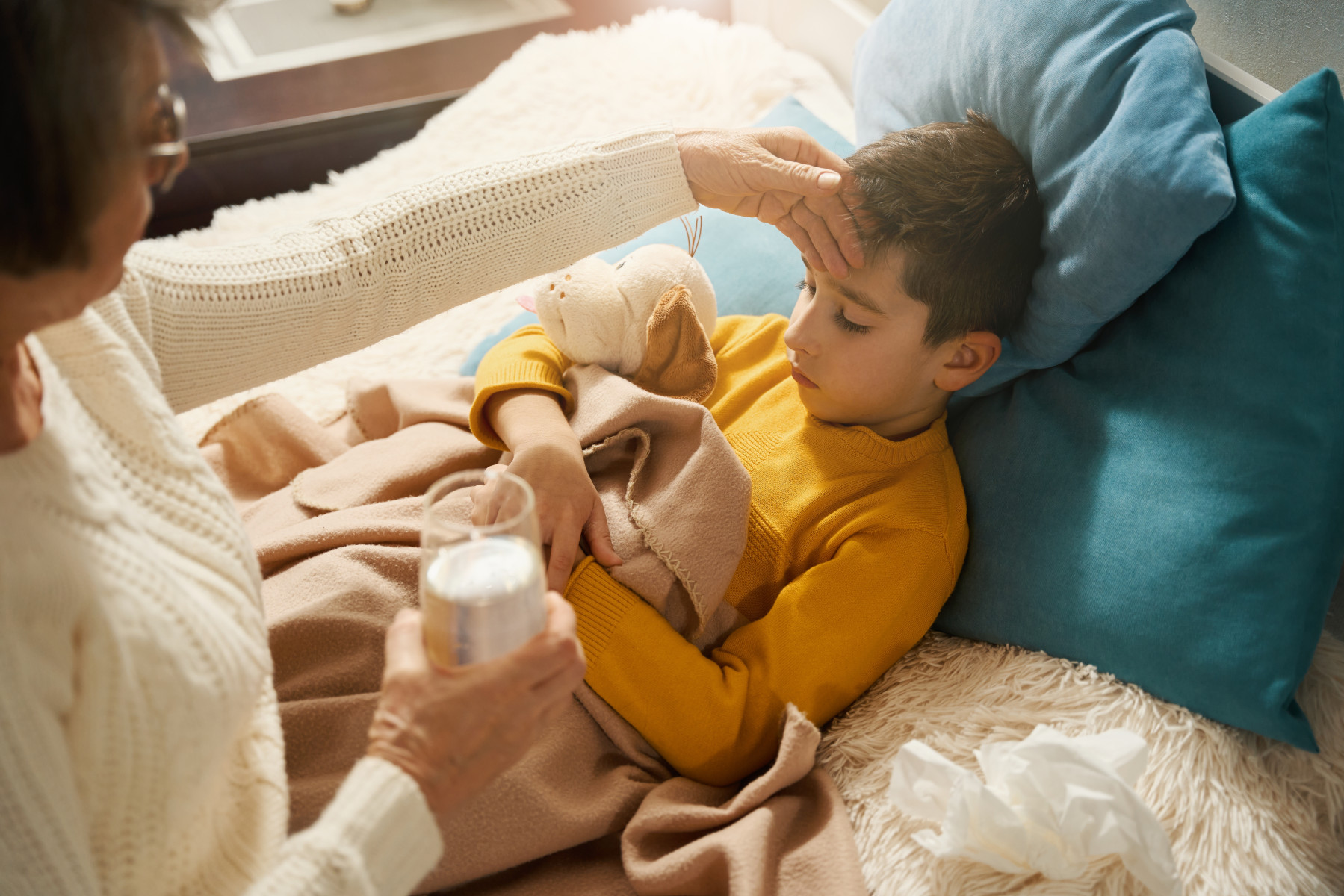
This is part one of a two part story on hygiene myths. Click here for part two.
From health care providers to websites to advice passed down through generations, there are a lot of ways to get health care information, especially tips for minor ailments you can treat at home.
Awad Alyami, MD, a pediatrician at OSF HealthCare, breaks down some common myths.
- Myth: There’s a one-size-fits-all pill for common illnesses.
Fact: It depends on whether it’s a viral infection (like influenza, the common cold or coronavirus) or a bacterial infection (like pneumonia, strep throat or food-borne illnesses like salmonella).
“For the most part, with bacterial infections you need to see a health care provider. You’re probably going to need an antibiotic,” Dr. Alyami says. “Most viral infections just run their course, and you focus on the symptoms. If you have a fever, you take fever medication. If you have pain, you take pain medication. If kids are six years or older and have a cough, they can use over-the-counter cough medication.”
Dr. Alyami points out that you can take those medications to help with bacterial infection symptoms, too. But you need an antibiotic, too, to get better.
- Myth: Feed a cold and starve a fever.
Fact: You should modify your diet when sick to avoid trigger foods, like spicy or greasy foods. But reducing the amount you eat and drink won’t make you better sooner. In fact, Dr. Alyami says hydration is critical.
“When kids have infections and a fever, one of the most common reasons they end up in the hospital is dehydration,” Dr. Alyami says. “When kids are sick, they lose fluids from their body and need hydration.”
So, drink plenty of water and eat nutritious foods as your body can tolerate.
- Myth: I can go back to work or school as soon as I start to feel better.
Fact: Dr. Alyami says you should be fever-free (body temperature less than 100.4 degrees) for 24 hours with improving symptoms.
When you go back out, practice good habits like thorough handwashing and avoiding coughing or sneezing into the open air.
- Myth: If I don’t look or feel dirty, I don’t need to shower or bathe.
Fact: Dr. Alyami says there’s no “catch all” advice for how often to wash off. Some people will shower or bathe daily. Others will do so every other day or less frequently. Dr. Alyami advises you to shower or bathe when you feel you need to or after you’ve been in a dirty or sweaty environment, like after playing sports or a hike in the woods. People with skin conditions should also clean themselves with care.
“For people with eczema or atopic dermatitis, I recommend daily showers,” Dr. Alyami says. “But they need to be quick because the more exposure to water we have, the more we dehydrate the skin. So, showers should not exceed 15 minutes, and you should apply moisturizer right away afterward.”