
Rest day or chest day?
Key takeaways:
- If your illness comes with symptoms from the neck up, it might be OK to exercise. For other symptoms, like cough, chest pain and dizziness, pause workouts.
- Listen to your body while working out when sick. Do light workouts, and stop when symptoms flare up.
- Bring water, tissues and other illness essentials to your workout.
- A steamy shower after a workout can help recovery.
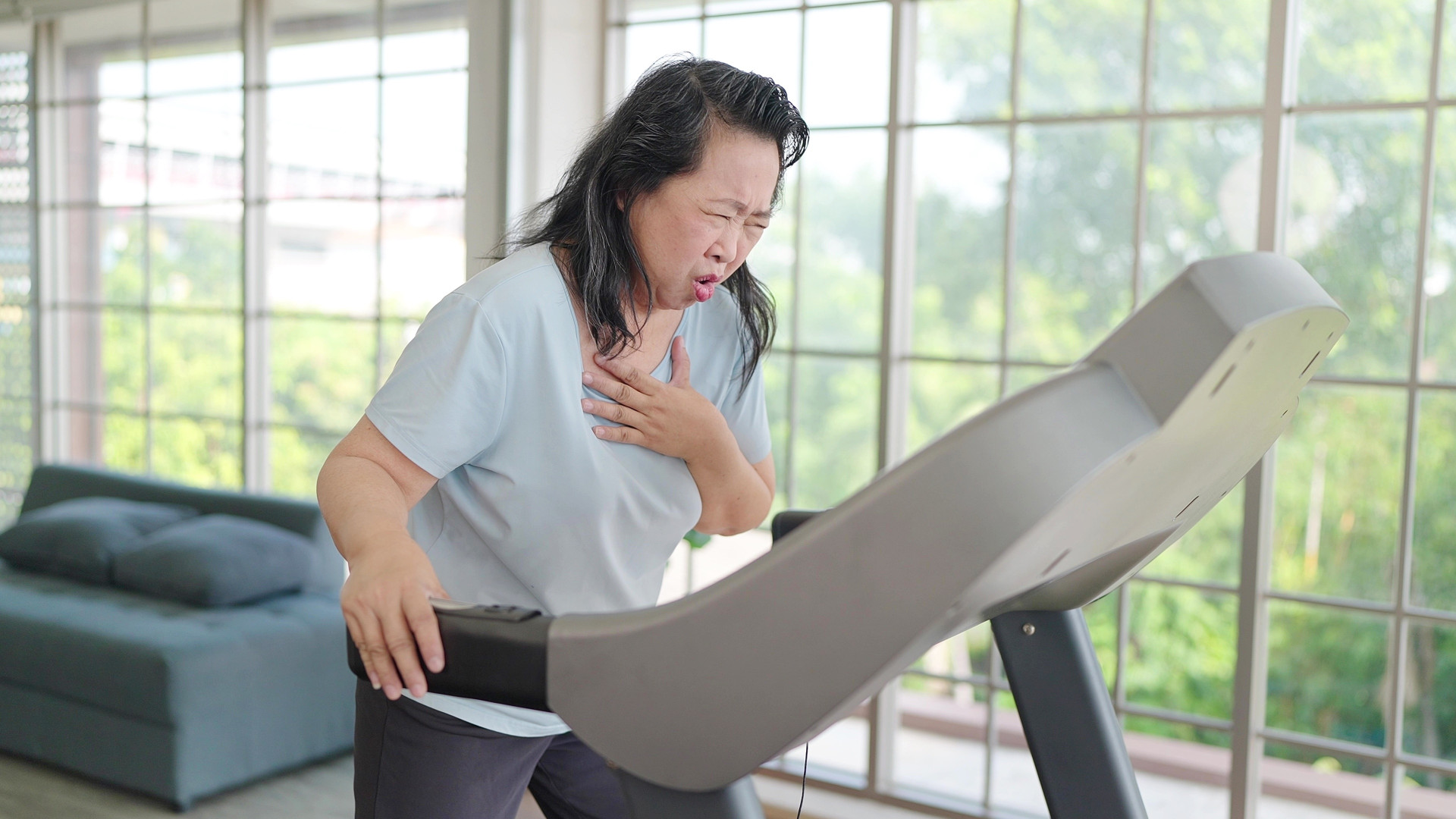
It’s advice you’ve heard plenty: if you’re sick, stay home and rest. But, health care providers also want you to be active. A sedentary lifestyle puts you at a higher risk for things like diabetes and heart disease.
So how can we reconcile the two? Maddy Draper, APRN, a health care provider at OSF OnCall, says it’s sometimes OK to exercise when you’re sick – if you know the dos and don’ts.
The basics
“For common cold symptoms – runny nose, sore throat, congestion and sneezing – it’s perfectly OK to continue working out. We use the ‘neck up rule.’ So with symptoms from the neck up, it’s typically OK to continue. Honestly, you might even feel a little bit better,” Draper says. “Anything lower than your neck – a deep cough, shortness of breath and chest tightness – is a sign you want to hold off on working out, especially strenuous workouts. Take it easy instead.”
If you’re dizzy, fatigued or have a severe headache, you should also pause exercising until you feel better.
Getting going
“Listen to your body,” Draper says when asked how to approach exercising when sick. “If you’re feeling OK and have a mild cold, you can continue your exercise routine as tolerated. If you’re down with flu-like symptoms – fever, chills, body aches and fatigue – you’re going to want to just do some stretching or walking.
“Don’t overdo it and do something your body isn’t used to,” she adds.
Biking, swimming or lifting light weights (at a pace you can tolerate) are other options. Exercise away from others to prevent the spread of illness. And as with any workout, if you experience dizziness, lightheadedness, shortness of breath, coughing fits or chest pain, stop and rest. If symptoms don’t improve quickly, see a provider.
“For severe chest pain or shortness of breath, you need to go to the emergency room immediately,” Draper cautions.
What’s in the bag?
Your “exercising when sick” bag might be a little fuller than the average day. Draper says hydration is extra important. Water or reduced sugar sports drinks are good choices.
“A lot of time when we’re sick, we’re sweating. So we want to replace those electrolytes and fluids,” Draper explains.
Bring other things to keep your symptoms in check. If you have a runny nose, you’ll want a supply of tissues. If you’re coughing or sneezing, bring a handkerchief to avoid spewing germs into the open air. Healthy snacks that are rich in fiber and protein are fine, too. Just avoid spicy, acidic and greasy food.
Aftercare
A warm, steamy shower or a sauna visit can provide multiple benefits after a “sick workout.” Aside from just making you feel good, Draper says they can help relieve sinus congestion.
The bottom line
“If you’re fighting a chest cold, for example, we want you to rest but also stay active,” Draper says. “If you’re laying around in bed for days on end, you’re not getting those deep breaths. The infection can settle in your lungs, and that’s typically what will turn into pneumonia.”
Learn more
Read more about orthopedic and respiratory illness care on the OSF HealthCare website.
Interview clips
Related stories
Brrrrrrrrrrr!
A vitamin D-lightful summer
Allergy relief: Know what works
Don't sweat it
How to pick a gym
Lifespan vs. health span
Restoring not just your heart
‘It shouldn’t be a barrier to play'
Exercising your heart
Don't throw your weight around
Cold, cold go away
Get cozy
Defend yourself against pneumonia