Chewing, breathing, clicking – when does it end?
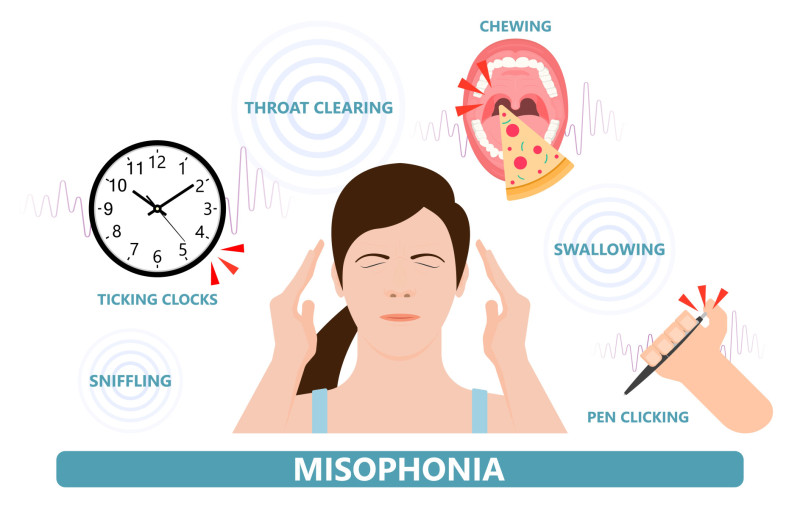
Loud holiday gatherings can trigger misophonia, a sensitivity to certain noises
Key takeaways:
- Misophonia is when everyday noises like loud chewing cause someone to get very irritated. It can lead to anxiety attacks and increased blood pressure and heart rate.
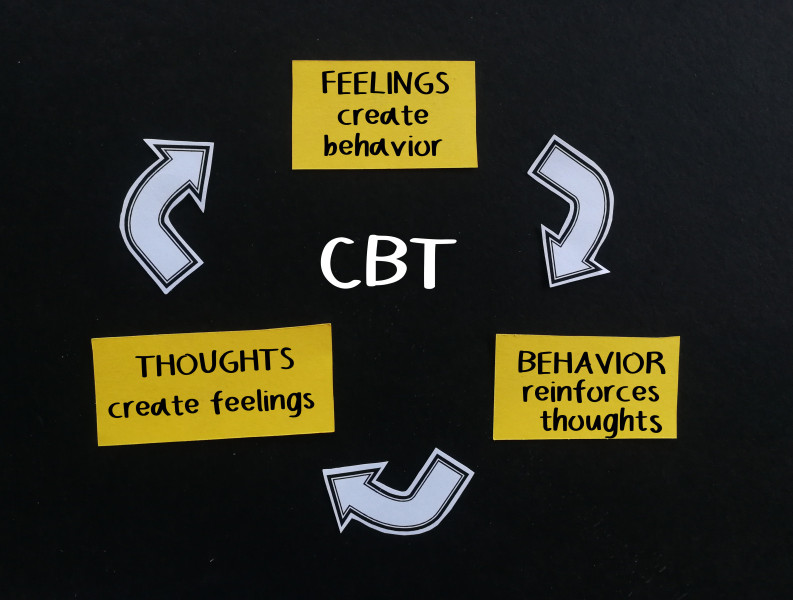
- Treatment includes cognitive behavioral therapy and meditation.
- Loud, crowded holiday parties can trigger misophonia. So, know when you need to take a break in the other room.
Stars: They’re just like us.
Actress January Jones recently took to Instagram to talk about her struggles with misophonia, specifically a family member’s loud chewing.
Severe misophonia (pronounced mee-soh-PHONE-ee-ah) isn’t common, says Cassie Elliott, APRN, a psychiatric nurse practitioner at OSF HealthCare. She says less than 5% of the population suffers significant symptoms from it. But, it’s still worth knowing about, especially with loud holiday gatherings coming up.
“Misophonia is a significant irritation or annoyance from certain everyday sounds. It could be lip smacking, people who breath out of their mouth heavily, people who repetitively click their pen or people who chew loudly,” Elliott explains.
Rarely do health care providers see victims of misophonia lash out physically, Elliott says. But, the person could experience a flushed face, anxiety and increased heart rate and blood pressure. One instance of these might not derail your health, but a lifetime of them could.
Treatment
Treatments for misophonia include:
- Cognitive behavioral therapy (CBT).
“This helps you work on your mind space and teaches ways to be more self-aware of your thought process. But it also helps behaviorally. You learn the triggers that make your body feel a certain way,” Elliott says. “Be aware your heart rate is increasing and that you’re irritable. Then you learn to build those coping skills and protective factors to not let something like misophonia affect the way we function at outings.”
- Meditation
- Know your limits. This is where loud, crowded holiday parties come into play.
“Make sure you’re separating yourself [from the other partygoers] if that’s what you need to do,” Elliott suggests. “As a host, you can play background music or have a TV going for background noise. That can help muffle those other sounds that might be irritating.”
Separating yourself could mean eating your meal in a separate room or just sitting at the opposite end of the table from the friend who’s a loud chewer. Either way, Elliott says to be self-aware and collect yourself before jumping back into the social swimming pool.
Learn more
Read more about healthy thoughts and behaviors on the OSF HealthCare website.