Dirtier than you think: Keeping your home disease-free (part two)
Here’s a checklist of spots in your home that you might not realize need regular cleaning to prevent illness spread
Key takeaways:
- Personal items like your phone, keys, water bottle and headphones should be cleaned weekly. Knobs and handles in your home should also get this treatment.
- Check your pets regularly to make sure they're not bringing bugs and dirt inside.
- Remove dead leaves from plants to avoid spread of fungi.
- Check and clean appliances regularly. Change the filter on your AC unit at least once a year.
- Change out and wash your kitchen and bathroom towels every few days.
Author's note: this is part two of a two part story on keeping your home clean. Click here for part one.
You’ve heard it plenty: staying illness-free involves daily healthy habits with your own body, such as coughing into your arm and frequent handwashing.
But the environment around you – specifically your home – needs daily attention, too, to avoid ailments lurking on surfaces and in crevices. Young kids and pets might get into these areas unintentionally and get sick with things like pink eye, salmonella, E. coli and a staph infection.
Kelsey Walker, APRN, a family nurse practitioner at OSF HealthCare, has a checklist of spots in your home that can be dirtier than you think and what you can do about them.
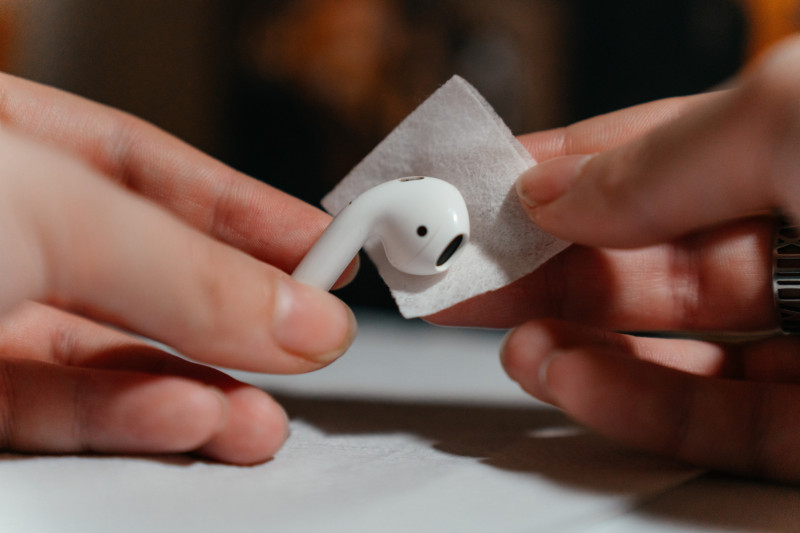
- Personal items: You might think you don’t need to clean things like your phone, wallet, purse, keys, headphones and keyboards. But those items can, for example, hang out in pant pockets where dust can accumulate or on your ears where wax can get transferred to the device. Television remotes and video game controllers fall into this category too. Think about a dog or child sneezing on a device then going on like nothing happened.
So, Walker recommends wiping down these items with a wet wipe weekly. A can of compressed air can also help get dust out of crevices in devices.
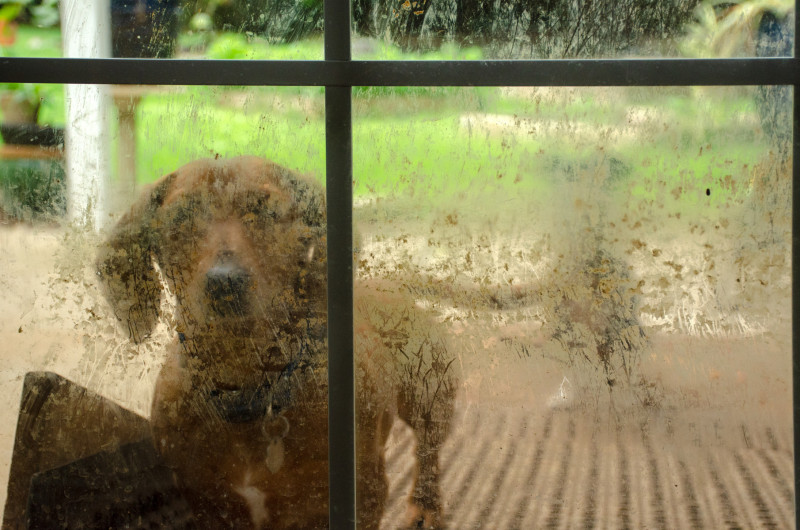
- Pets: “If they’re going outside and inside, they can bring dirt and bugs in. That can get on your carpet and furniture. It can bring bacteria to humans,” Walker warns. “So, wipe the pet’s paws when they walk in. Clean their toys routinely. When they put the toys in their mouth, bacteria can develop on the toys and on their saliva.”
Walker specifically points out that pets can harbor fleas, ticks and mosquitoes, which can then bite humans. So check your pet’s fur regularly, and keep them up to date with vaccines, grooming and medical care.
- Miscellaneous surfaces: Knobs, handles and switches should get a “once over” with a wet wipe on a weekly basis.
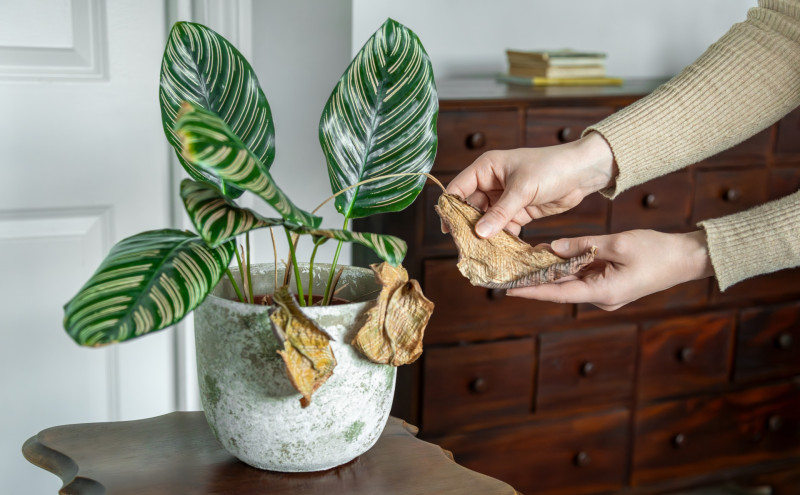
- Plants: Dead leaves can harbor fungi, so remove them regularly.
- Air conditioning units: Change the filter at least once a year, and in between do checks to see if moisture has built up inside. Dark, moist areas like the inside of an AC unit can also be mold hotspots.
- Towels: Change out and wash your kitchen and bathroom towels every few days.
- Water bottles: Walker says this is a big one that many people forget about. Germs can especially linger on the top of the bottle and transfer to your mouth. So clean your bottle regularly, checking the label to see if it’s OK to put in the dishwasher or if you need to hand wash.
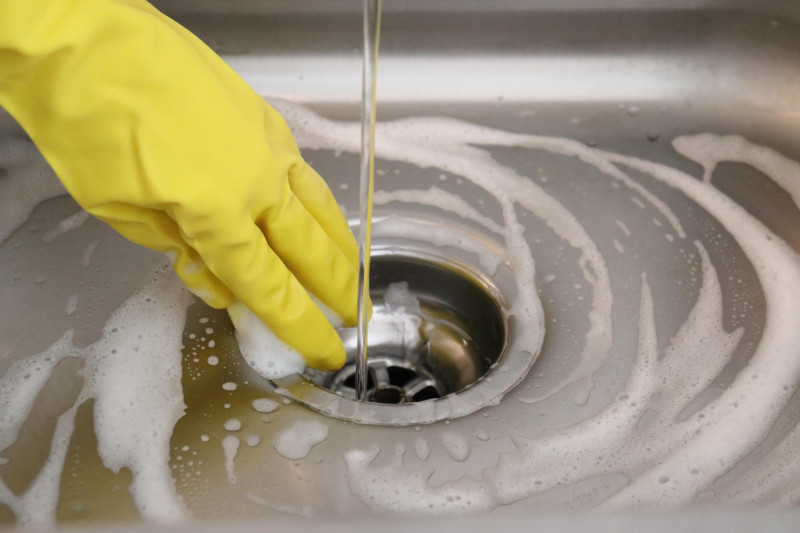
- Appliances: Browse the home cleaning aisle of the grocery store to see what products are available to clean sink and tub drains, washing machines and dishwashers. This usually involves running a cycle with just the cleaning solution. Consider cleaning these appliances every couple months.
Take action
Walker says if you develop symptoms of an illness brought on by a dirty house, see a health care provider right away. Symptoms can include nausea, vomiting, fever, cramps, diarrhea, bloody stool, coughing, headache, fatigue and skin issues like bumps or discoloration.