
Losing a limb, not hope
Key takeaways:
- Amputees and their care teams are reminding you that losing a limb doesn't mean you have to lose your quality of life.
- Rehab exercises after losing a limb include balancing, moving, sit-to-stand and hip extensions.
- You should keep up with those exercises at home.
Linda Moore wants you to mark your calendar.
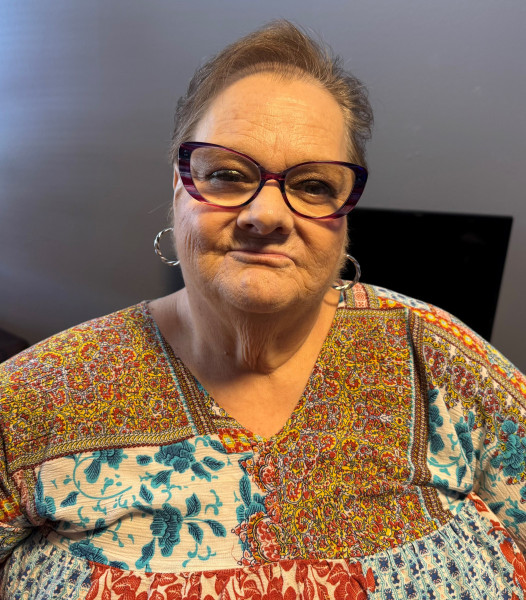
The 69-year-old resident of Rantoul, Illinois, doesn’t just want to walk again soon. She wants to dance. And she wants the world to watch.
Moore, who had her right leg amputated above the knee and did her rehabilitation at OSF HealthCare, has become an advocate for others in her situation. She’s telling them: Here’s what to expect in rehab. And more than anything, losing a limb doesn’t mean you have to lose hope.
“A good attitude is so important when you’re dealing with something like this,” Moore says.
Linda’s journey
A Centralia, Illinois, native, Moore had a long career in the automotive industry before turning her focus to friends and family. But her life’s work took a toll on her body, leading to both knees being replaced in 2014. Complications and a fall in 2019 produced problems in her right kneecap.
“It kept popping off to the side,” Moore says, gesturing to where her knee used to be. “It made for great conversation, but it didn’t feel very good.”
Multiple attempts by doctors to fix the kneecap didn’t produce a permanent solution. In fact, she developed a cellulitis infection that caused her whole lower leg to become discolored.
“The doctor came in and said he didn’t think my knee was going to work out,” Moore recalls.
“He said I could possibly never be able to walk again, or I could have my leg cut off,” she adds with a grimace.
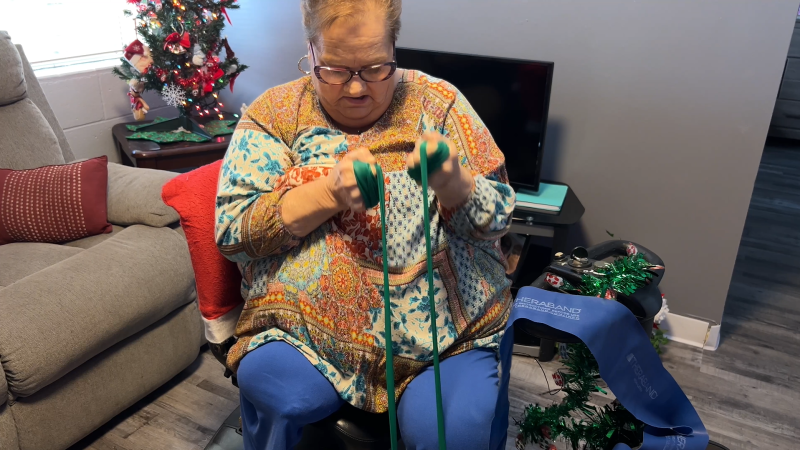

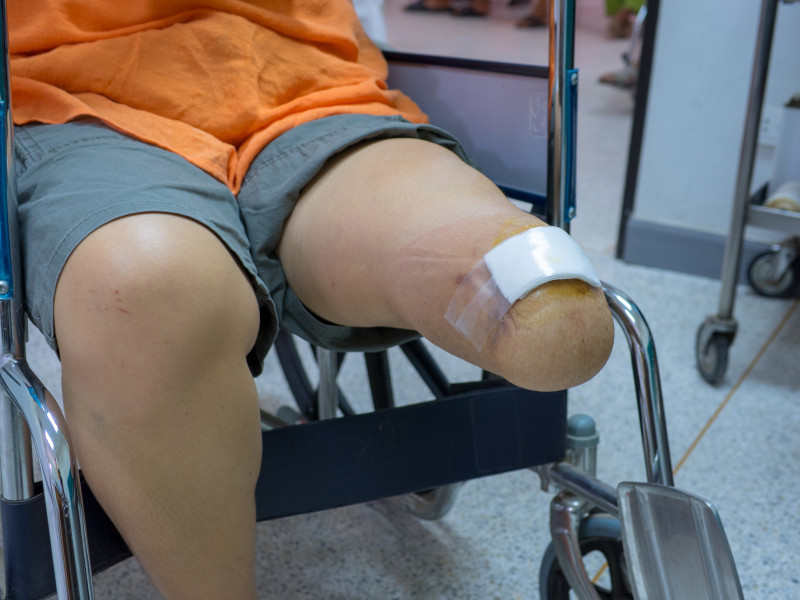
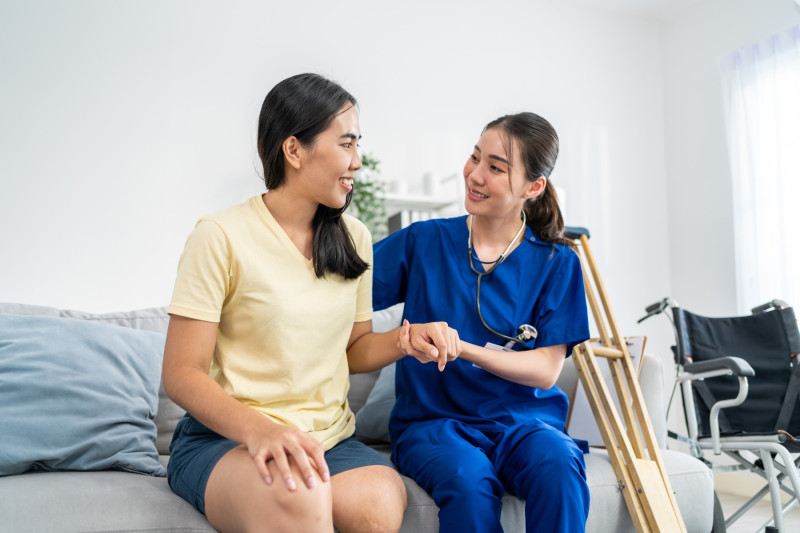
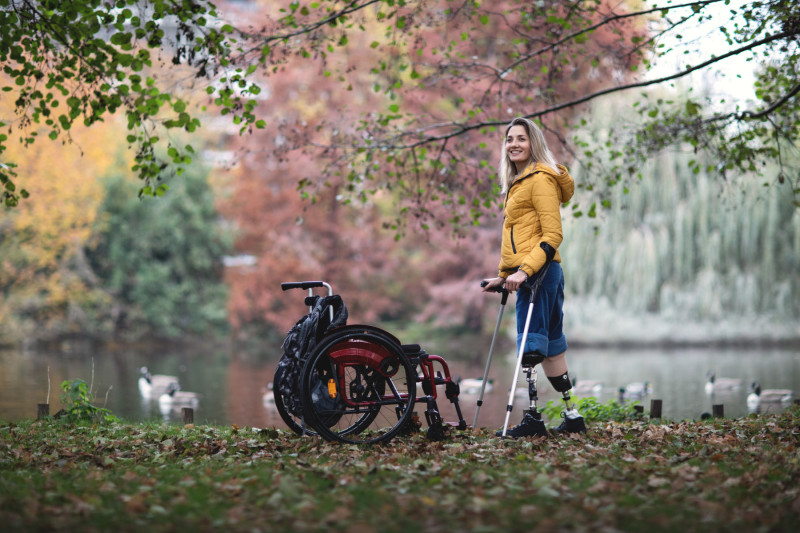
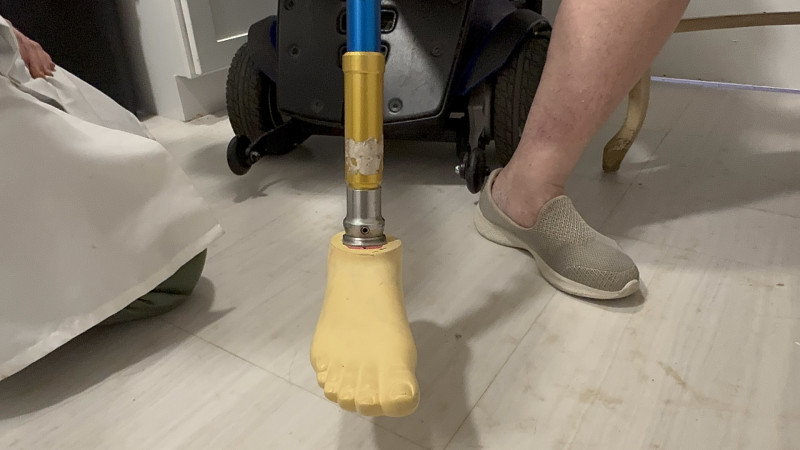
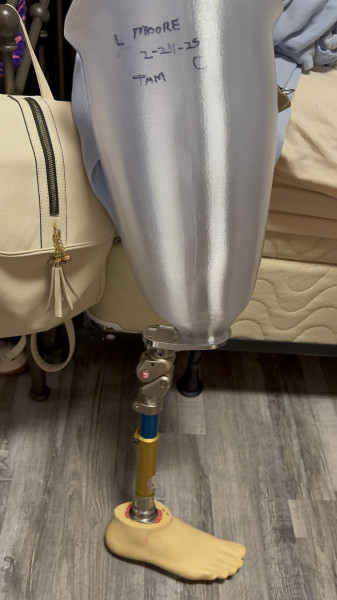
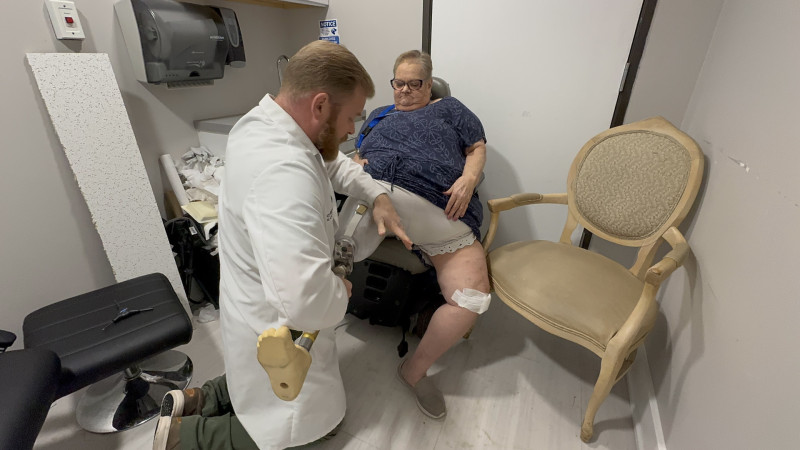
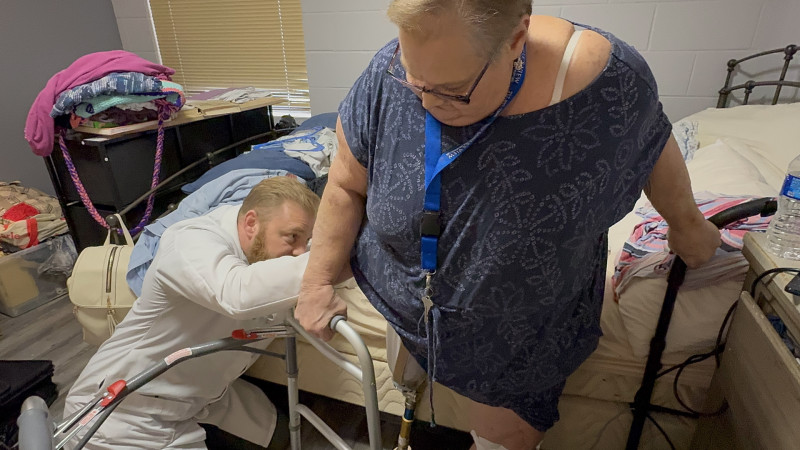
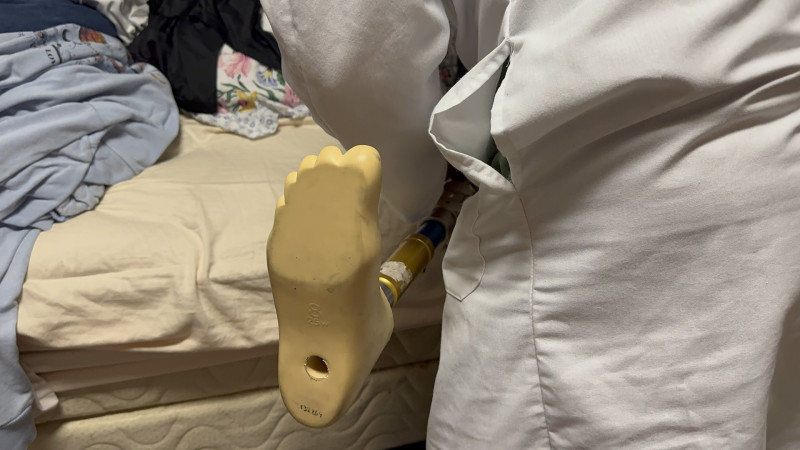
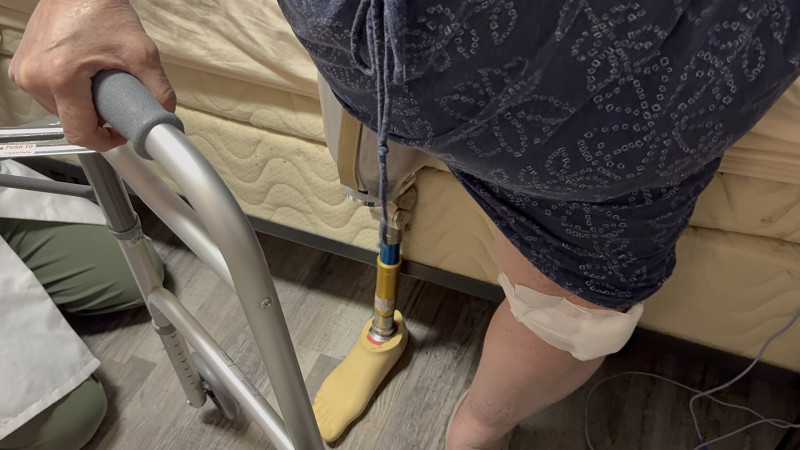
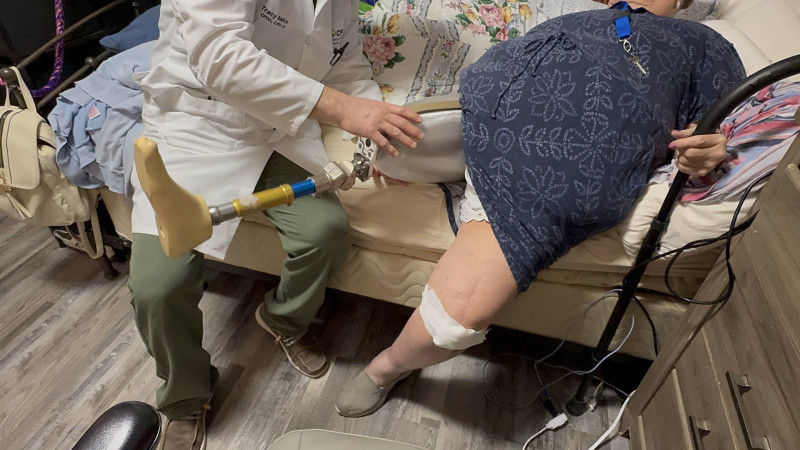
Doctors amputated Moore’s leg on November 13, 2024. She went to OSF HealthCare Heart of Mary Medical Center in Urbana, Illinois, for inpatient rehab – physical therapy to build strength and occupational therapy to relearn movements to accomplish daily tasks like dressing and showering.
She makes no bones about it: “Three weeks of intense therapy,” Moore says.
“It included standing on my left leg. Depending on that leg for my balance. How to move my leg around to get where I need to go, with support of course,” Moore recounts.
“With these patients, we’re working a lot on hip extensions,” says Deidre Murphy, a physical therapy assistant at OSF who worked with Moore. “For the residual limb [limb remaining after amputation,] the hip needs to be straight. You don’t want it to be flexed. People tend to guard that injured leg. When they do, they flex it, and it tends to get stuck there. You have to fight that, or they’ll be walking bent over.”
Sit-to-stand movements, like mimicking getting out of bed or a car, are also common. People take those exercises home to keep up their progress.
For Murphy, Moore was a patient she won’t soon forget.
“Linda had the best attitude from the start. She was positive and ready to put in the hard work,” Murphy says. “She made it fun. She kept me laughing. Always in good spirits. When she got down a little bit, she really bounced back. She could see her hard work pay off.”
“I don’t know how to describe how they made me feel. It was just wonderful,” Moore says.
The outlook
Moore came home to an assisted living facility in Rantoul just in time for the holidays. She spent holiday gatherings on her scooter, but she’ll soon learn to use a prosthetic leg.
“It’s a long process,” Murphy says of getting used to a new leg. “The limb has to heal. They’ll shape the limb with compression. Eventually, they’ll go to a prosthetist and start getting the prosthetic ready.”
Then, it’s like rehab all over again. No fear for Moore, though. She’s determined to dance her limitations away as soon as she can.
“I feel good about things,” Moore says. “Attitude is everything. If you have a bad attitude, you’re going to have a bad recovery. If you have a good attitude, people want to be around you and help you. And it makes your day a whole lot easier.
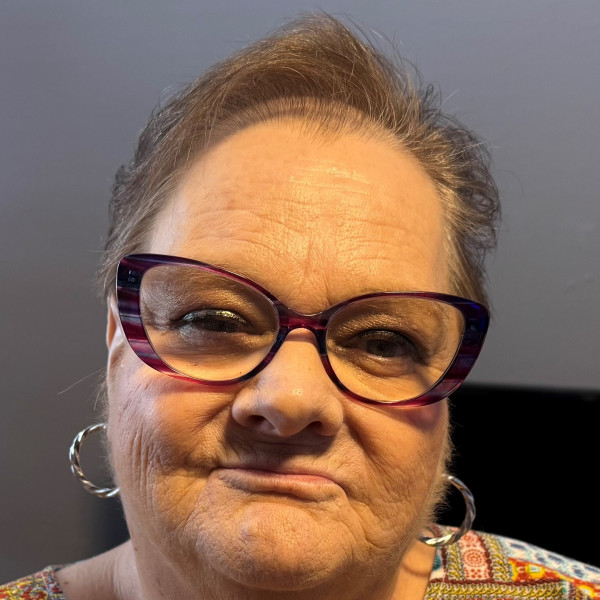
Attitude is everything. If you have a bad attitude, you’re going to have a bad recovery. If you have a good attitude, people want to be around you and help you. And it makes your day a whole lot easier.

“You don’t have to be miserable. Accept the help you can get. Find a good place to live. You can get through it,” Moore adds.
Learn more
Read more about the procedures and goals involved with rehabilitation on the OSF HealthCare website.