
So you want to be an athletic trainer?
Key takeaways:
- A master's degree and getting licensed are among the typical requirements to be an athletic trainer.
- Trainers can work with athletes in a medical facility or at a school. They maintain independence from coaches to make sure athletes are treated safely and fairly.
- Trainers can't give medicine to people under 18, and they aren't the first person to talk to if you want to build muscle.
- There is a shortage of athletic trainers, so talk to one if you're interested in the field.
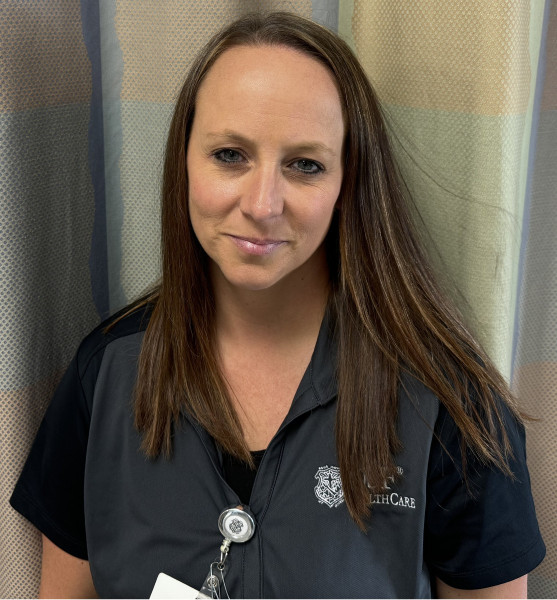
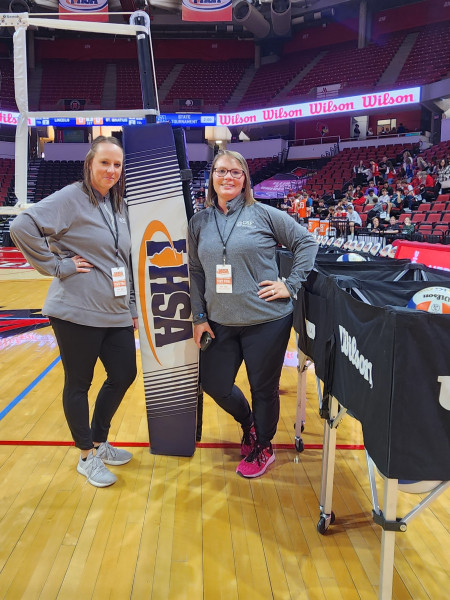
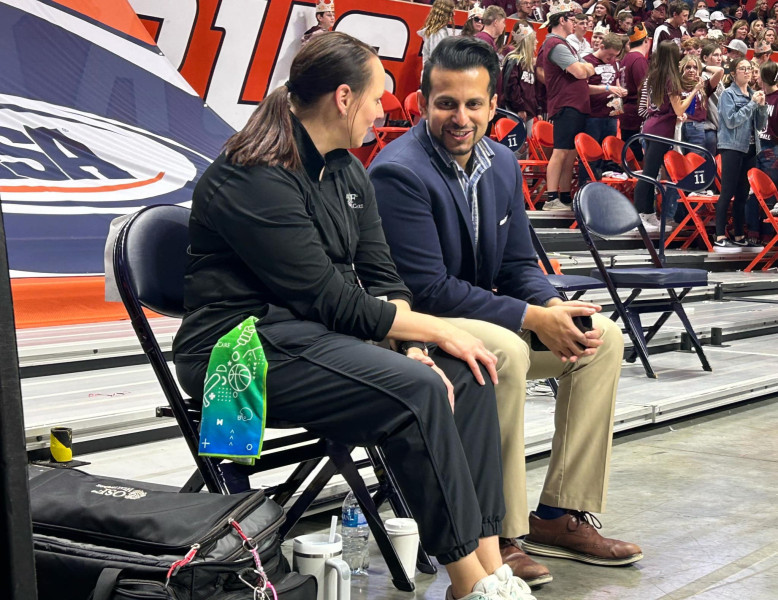
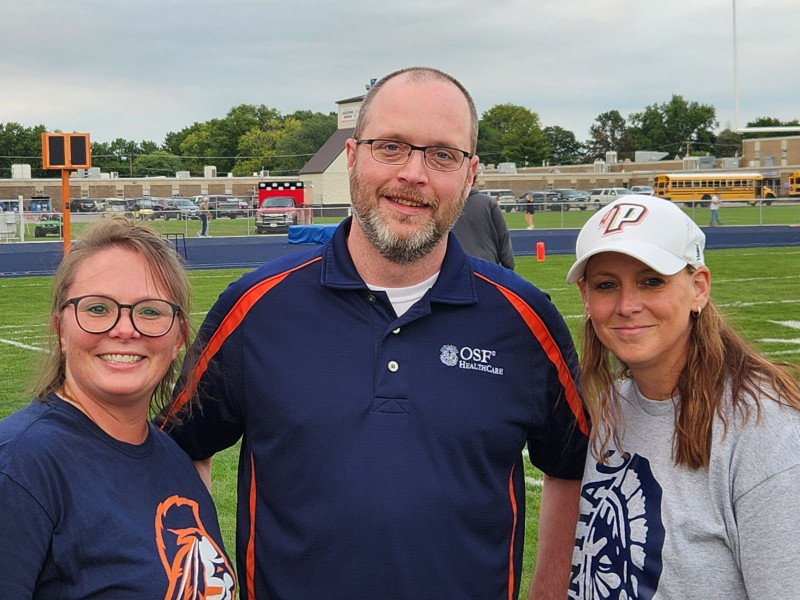
Fall means the busy time of year resumes for Brittany Delaney, an athletic trainer at OSF HealthCare in Pontiac, Illinois, who works both in an orthopedic clinic and at local schools. But it also means a chance for some fulfilling moments, like working the Illinois High School Association state finals in various sports.
“It kind of feels like our Olympics,” says the 20-year veteran in her field.
Delaney is pointing out the shortage of athletic trainers and encouraging people, especially young athletes, to look into the profession.
The requirements
Delaney says there are typically three parts to becoming an athletic trainer: a master’s degree, an exam with the National Athletic Trainers’ Association and getting licensed in your state.
“I took a lot of anatomy courses initially [in college]. Kinesiology as well. And then you would transition into actually learning how to evaluate bodies. Joints, injuries – you learn more about them,” Delaney explains. “Psychology of sports medicine is also an emerging area. Sometimes I feel like I can be one-on-one with an athlete not just for sports medicine injuries. But if the athlete is having a bad day, it’s nice to have that connection where they’ll come in and talk to you about other things that are bothering them.”
Delaney says the exam to get licensed used to have an in-person component, but now it’s all online. She says every two years, athletic trainers are required to have continuing education to keep their license.

Day-to-day work
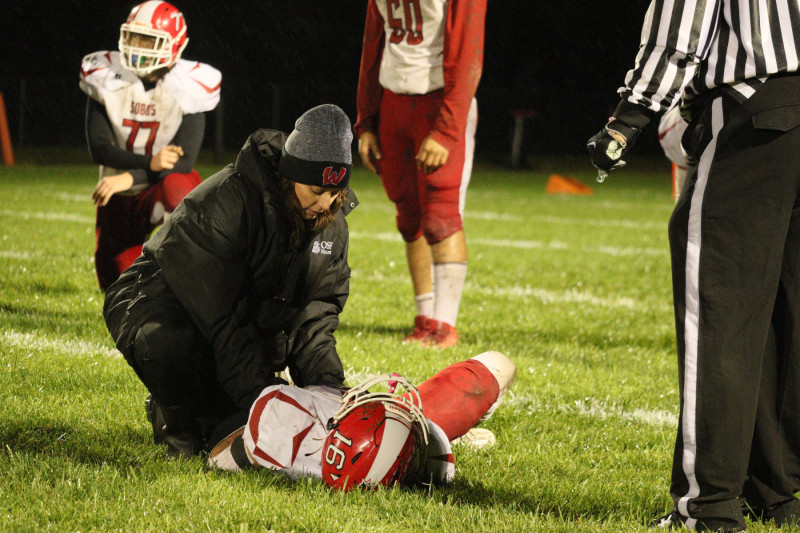
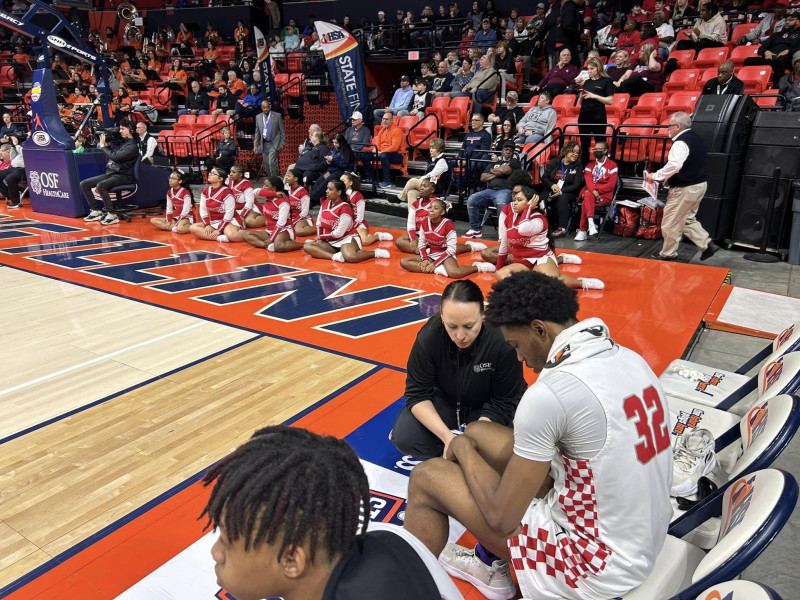
Delaney sees people in the hospital year-round, but her busy season starts in July as high school football teams begin preseason practice. She’ll be with teams at practices and games to provide care for injured athletes or simply help prepare them for competition by taping their ankles and helping them stretch.
“I have a lot of coaches who contact me throughout the summer to evaluate athletes,” Delaney says. “I don’t think athletes truly get a break. In high school, most of them are multi-sport athletes. These injuries can happen at any time.”
Delaney forms friendly relationships with the coaches and players, but she and all trainers know their role is to be an independent eye and ear. In recent years in the college ranks, there have been some high profile examples of coaches trying to influence a doctor or trainer’s decision and rush an injured player back to the field.
“I’ve always had great coaches that I work with,” Delaney says. “We are up front with our coaches right away about the things we’re looking for. If I have an athlete with a concussion, this is what you should expect. So, most coaches are good about knowing what to expect when I tell them ‘This athlete is out.’
“I never want to hold an athlete out if I don’t have to. So when I do, my coaches understand,” Delaney adds.
Misconceptions
For starters, Delaney says athletic trainers can’t give medication to people under age 18.
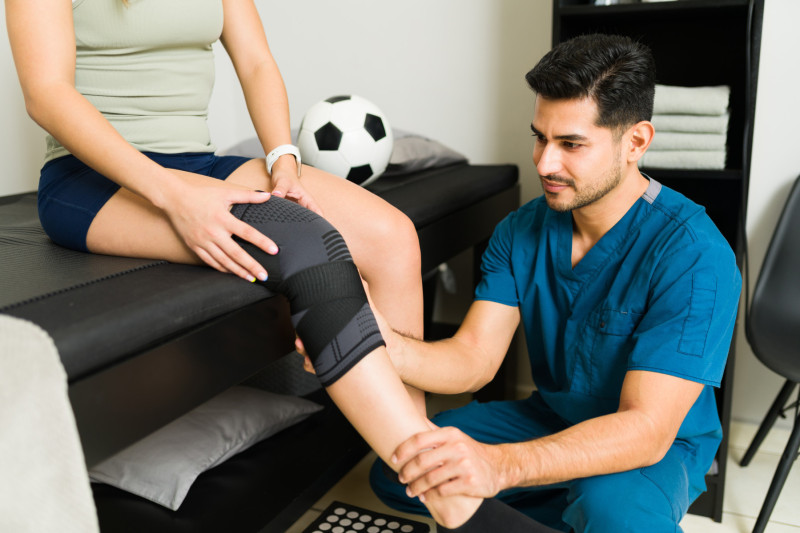
What they can handle: evaluation and rehabilitation of injuries, which includes casting and bracing.
“When I work in the orthopedic clinic, I can bring the kids in to see me in the office. I already know what their injury is. They trust that we know what we’re doing. Then if I’m the one putting on the cast, they see all of my skills,” Delaney says.
But what’s more chuckle-inducing: when an athlete approaches someone like Delaney asking to get fit and build muscle.
Delaney says she can offer some advice in the weight room. But she’s not a strength coach or personal trainer. Athletic trainers are more like mechanics of the body, akin to a physical therapist.
Getting into the profession
Delaney says if you’re interested in becoming an athletic trainer, talk to one you know.
“I’ll keep speaking out for sports medicine to find people who want to do it,” she says.