
The Big Problem With Ultra-Processed Foods
Key takeaways:
- Ultra-processed foods are high in sodium, fat, added sugars and other unhealthy ingredients
- Around half of what Americans eat is considered ultra-processed
- Ultra-processed foods are considered hyperpalatable foods, which have addictive qualities
- Reading ingredient and nutrition labels is a good first step
- Create healthy meals at home with lean meats, seafoods, fruits and vegetables, and whole grains
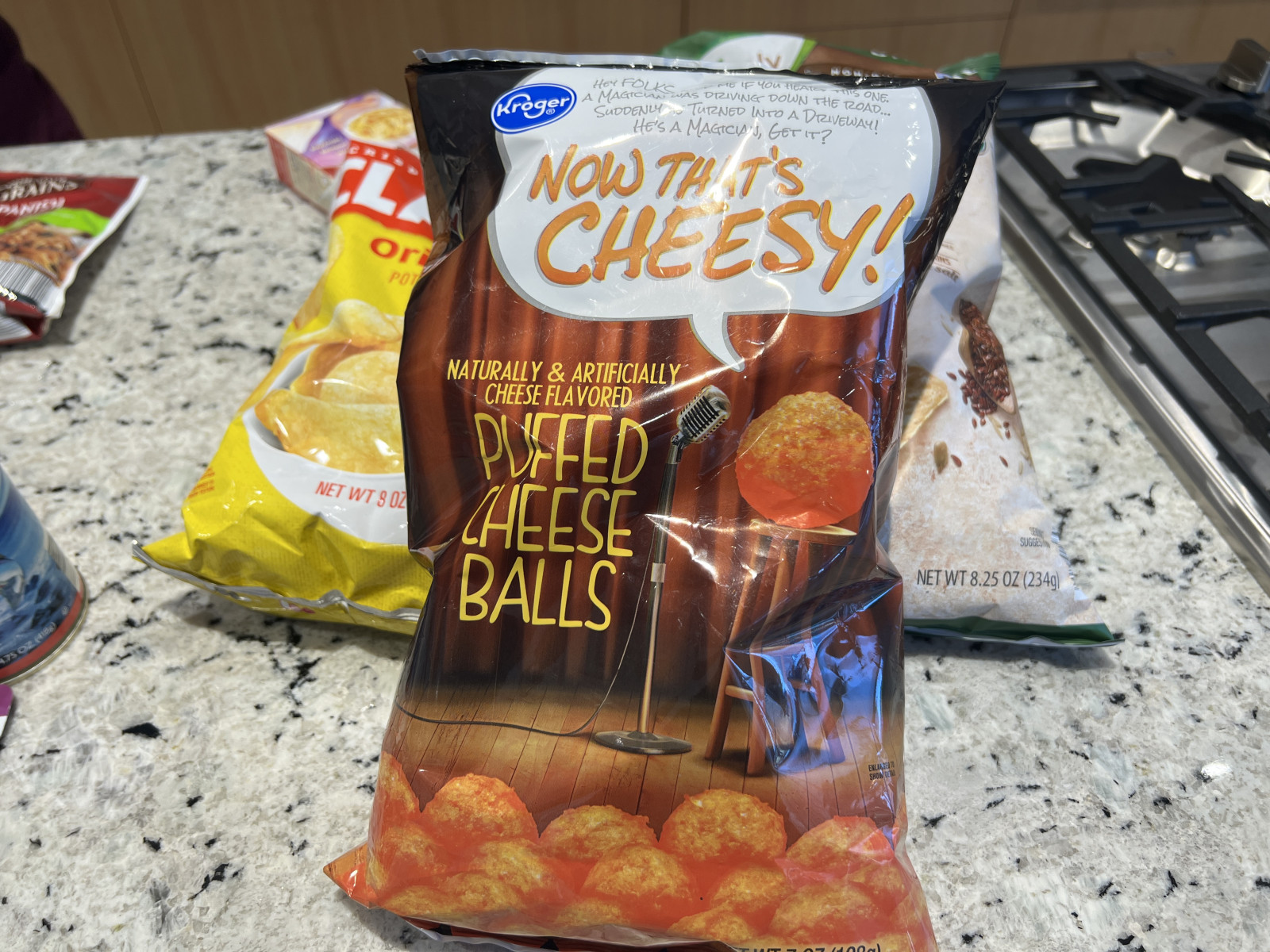
Around half of what Americans eat is considered ultra-processed food – think pre-packaged and fast-foods. These products are often filled with unhealthy ingredients, leading to an array of health problems.
“These foods are giving you an excessive amount of sodium, fat and sugar, and not enough nutrition," says Jeanna Rich, an oncology registered dietitian with OSF Cancer Support Services. Rich says the longer the ingredient list, especially words you’ve never heard of before, the more processed the foods are.
"If it has a ton of ingredients that include additives, coloring agents or words you just don't know are true foods, it's definitely ultra-processed," Rich says.
Health risks of ultra-processed foods
While the saying “too much of a good thing is a bad thing,” may be true, too much of a bad thing is far worse.
"A lot of ultra-processed foods will have a large amount of saturated fat, also known as the 'bad fat.' That fat is linked to higher risk of developing heart disease, diabetes and other health issues," Rich says. "The additives, food dyes, sugar and fat combined can put us at an increased risk for developing cancer and other diseases as well."
The link between diabetes and ultra-processed foods: a surplus of added sugars.
"What we're seeing right now, is children developing Type 2 diabetes earlier and earlier,” Rich says. “Extra added sugar is not good for blood sugar management or your immune function." Rich adds that diets high in ultra-processed foods have also been linked to obesity.
Eating foods high in sodium can lead to blood pressure issues and heart disease. There's no nutritional benefit to ultra-processed foods, Rich says, particularly when it comes to getting more fiber in our diet, which helps lower blood pressure, helps us lose weight and lessens inflammation.
Preserving, drying, heating and curing foods is where they can become detrimental to our health. This is when preservatives get added into the foods that have no health benefits and may even have health harms in them. Many items at fast food restaurants are known to be ultra-processed because they can last a long time in their packaging.
Hyperpalatable foods
Many foods are meant to seem appealing, and even rewarding, to eat. These are called hyperpalatable foods, and they have addictive qualities to them. Meat, ice cream, snacks and sodas headline this list. But some frozen meals and even vegetables cooked with things like cheese sauce can be added to the list as well.
"A lot of the products in these foods can act as an addictive behavior. They can release brain chemicals that make us feel good, then bring us back down," Rich says. "A lot of these foods can cause people to want to keep eating them, and it worsens their health overall."
Don’t judge a food box by its cover
Rich says the front of product boxes can be misleading. Words like "natural," "organic," or "healthy" get thrown around a lot. She recommends you really take a good look at the ingredients list and nutrition label.
If a product begins with the ingredient corn syrup, followed by long words you’ve never heard of before, these are unnatural ingredients you should stay away from. They also include seed oils and synthetic dyes.
Healthier options will have ingredients like pureed fruits, vitamins and minerals. The color will also come from natural ingredients like carrots, cabbage and/or vegetable juices, not synthetic dyes which originate from petroleum.
Processed vs. Ultra-processed
Any food taken from its original form is considered processed food.
"If you're not picking an apple from a tree, or drinking milk straight from a cow, we are technically processing our food,” Rich says.
The jury’s still out on the exact definition of an ultra-processed food. Ultra-processed foods will typically have thickeners in them, like modified starches, sugar substitutes, synthetic food dyes, artificial flavors – mostly anything that you wouldn’t ever find in your kitchen.
Peanut butter
Many peanut butters are ultra-processed and have trans-fat in them. Key words to look out for: hydrogenated or partially hydrogenated. The label may say zero grams trans-fat, but if the ingredient says hydrogenated on it, it will still contain small traces of trans-fat in the product, Rich says.
Healthier peanut butter options will have different nuts and seeds as the main ingredients, making it a more wholesome food.
Sugary cereals
Sugary cereals can often be ultra-processed foods. Kellogg's Mini Wheats has brown rice syrup, corn syrup, and "other natural flavors and coloring" in it. "These are things we want to avoid, especially when we have healthier alternatives," Rich adds.
So, what do we do?
You may be surrounded by fast food restaurants on your drive home, and the grocery store aisles are filled with ultra-processed foods, but healthier options are out there. Creating recipes with lean meats, seafood, vegetables, fruits and whole grains is a great start. The OSF HealthCare website has plenty of recipes for every meal, snack or dessert time you’re looking for.
Video Interview Clips
Ultra-processed food b-roll
(Some shots show healthier options side-by-side with ultra-processed foods)