
Turning pain into purpose
The holidays can be tough. It's a time to review the signs that someone might need help
Key takeaways:
- Young people have unique mental health challenges, leading to symptoms like a lack of motivation, worrying, irritability and poor hygiene. Parents should be watching for these.
- Parents who are concerned about their child can start by getting the child into their primary care provider, who can refer the person to a specialist or prescribe medication.
- Daily, getting outdoors and around people can help your mental health. Find a hobby you enjoy.
- When grieving a loss, know your limits about being social. There's no timeline on grief.
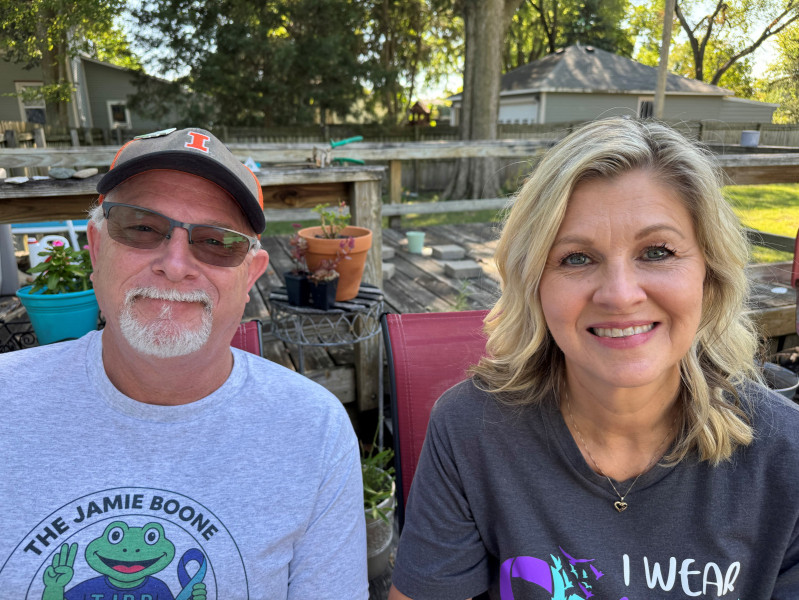
Some days, Johnny and Anita Boone can’t find the strength to leave home.
Other days, the two from Monticello, Illinois, are foot soldiers for suicide awareness and prevention, giving young people words of affirmation and tools to cope.
“We don’t want any other parents to join this club,” Johnny says, reflecting on the day their lives changed 28 months ago.
Jamie Boone’s story
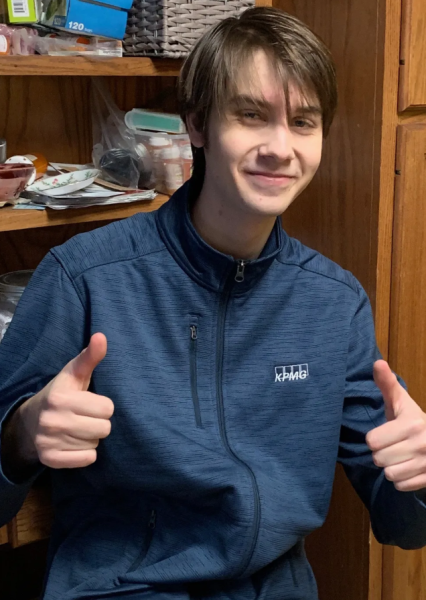
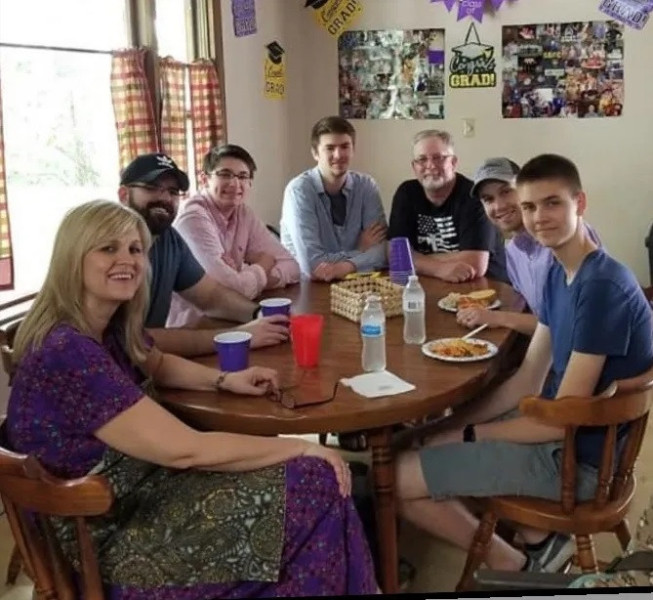
Jamie Boone was the youngest of five boys in Johnny and Anita’s blended family. He dealt with health and social problems, including bullying, diabetes and losing two fingers in an at-home accident. But he was tall, bright, outgoing and even a bit onery, his parents say. And he was always there for the people he cared about.
“He was very protective of his friends,” Johnny says. “He had a list on his phone of different friends. Under each friend, it had their favorite movie, what cheers them up. He basically made a mental health safety sheet for each of his friends.”
“He was going to counseling, but he seemed like he was doing OK,” Anita says. “He had worked as a bank teller at the local bank. He was in the Lifesaver program, where he was basically a liaison to help kids avoid drugs and alcohol and improve their mental health. He was very involved.”
But like many who appear fine on the outside, Jamie was struggling on the inside. On Mother’s Day 2023, Jamie graduated from the University of Illinois College of ACES (Agricultural, Consumer and Environmental Sciences). He was gearing up for an internship at an accounting firm and pursuing a master’s degree. Sixteen days later, though, Jamie texted his loved ones.
“I’m sorry for everything. I wish I could have been better. I love you all so much,” it read.
Jamie died by suicide that day at age 21.
“He didn’t really let us know about any of the depression that he suffered from,” Anita says. “We were blindsided by his death.”




Mental health challenges in young people
Brittany Algee, APRN, a board-certified psychiatric nurse practitioner at OSF HealthCare, says people Jamie’s age – late teens to mid-20s – have unique mental health challenges.
“It’s the transition phase into adulthood. They’re transitioning into college or a career. They’re starting a family. They have the pressure of being successful. There are financial constraints. They’re figuring out their lives,” Algee says. “They have this unrealistic expectation at 18 to have everything together. It’s very overwhelming.”
That can lead to anxiety and depression, and Algee says social media can make it all worse. Daily, symptoms can look like a lack of motivation, intrusive thoughts, worrying, eating too little or too much, irritability and poor hygiene. Parents should be on the lookout for all these.
“Maybe the child doesn’t want to talk as much. The child is self-isolating. You ask what they did over the weekend, and they say they stayed in bed. Or, they’re not going to class. Maybe the parent is getting a letter saying the child is on academic probation,” Algee says. “Those are red flags to ask ‘What’s going on? Why are we feeling that way?’
“Ask about sleeping habits, too,” she says. “Are they sleeping too much or not enough? Is there substance abuse going on? They could be doing that to self-medicate.”
If parents identify a problem, Algee suggests getting the child in to see their primary care provider, who could provide short-term help like medication while referring them to a mental health provider.
Some other tips from Algee and the Boones:
- Get outdoors to clear your head.
“Exercise. Do some hiking or biking. Find hobbies and things you like,” Algee suggests. “I tell my patients not to wait until you have a buddy to do something you like. Nine times out of 10, you’re going to find some like-minded person you’re going to get along with. So if you want to go hear live music, go do it. There will be people there who like live music, too. That will help you meet new people.”
- When talking to a loved one about suicide, Johnny Boone says don’t be afraid to get specific. Ask if they have weapons at home. If so, ask to take them or change the combination to the gun safe, for example.
- Be mindful of how you talk about mental health and suicide, too. For example, Anita Boone suggests steering clear of phrases like “committed suicide” or “afflicted with mental health” because the person might feel judged.
Grieving a loss
Since Jamie’s death, Anita and Johnny have been in counseling, and Anita hasn’t returned to her accounting job at the University of Illinois. It’s proof that everyone grieves differently, and there’s no schedule for it, Algee says.
“There are numerous stages of grief,” Algee points out. “It’s imperative that you work through all of those stages. Seeing a mental health professional is going to be very beneficial in helping you get through those stages effectively and process the grief.
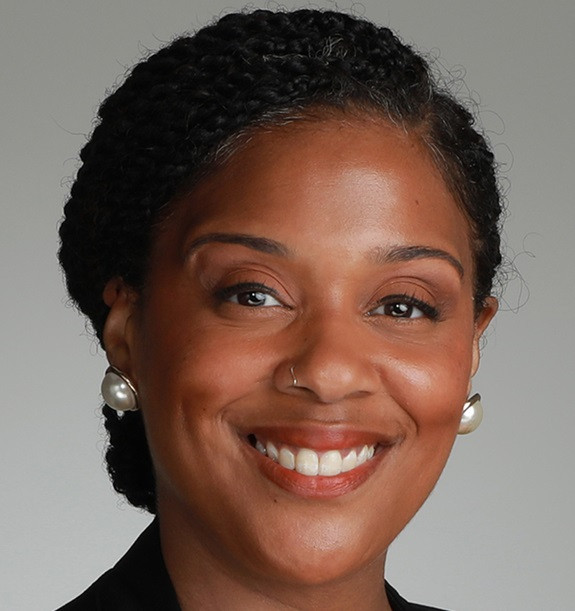
There are numerous stages of grief. It’s imperative that you work through all of those stages. Seeing a mental health professional is going to be very beneficial in helping you get through those stages effectively and process the grief.

“Losing a child is absolutely horrific,” she adds. “It’s not something you can put a timeline on. You’re not going to get through it in a few weeks or years. It’s a void that’s difficult to fill. So just make sure you have resources like a therapist, medication and an overall support system.”
For the Boones, grieving involved changing their routine. Driving through the University of Illinois campus where Jamie once thrived is tough, so they steer clear when they can. A hobby of theirs – camping – is out in favor of a simpler outdoor activity – kayaking. Sometimes the couple talks while on the water. Sometimes they just float and cry.
There are even unconventional ways to grieve, as long as you do them safely. When Anita and Johnny need to get emotions out, they’ll take a baseball bat to a plastic pail in their backyard. Neighbors will peek over the fence, and Johnny will flash a thumbs up to show that no one is in danger.
The Jamie Boone Project
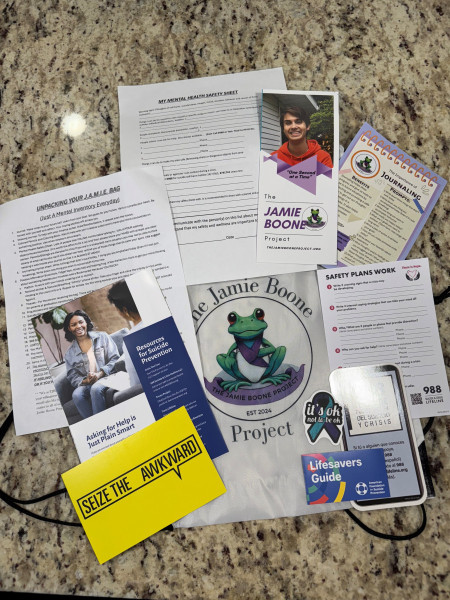
Johnny and Anita are still grieving, but they have turned pain into purpose by founding a nonprofit, the Jamie Boone Project. The pair spends hours toiling in their living room, assembling J.A.M.I.E. bags. It stands for Just A Mental Inventory Everyday. The bags contain things to take your mind off the world (stress balls, fidget spinners, journals and coloring books) and also steps to get long-term help, like information about the 988 Suicide and Crisis Lifeline and the 741741 Crisis Text Line. Johnny and Anita take the bags to schools, hospitals and anywhere else that could use them.
“We know it’s not curative. It’s just one way to get them through the moment,” Anita says. “For example, some people in a mental health slide might struggle to journal about positives in their life. Instead, the J.A.M.I.E. bags ask you to write down three things that didn’t stink today. It could be something as simple as ‘the car started this morning.’”
The couple has also visited schools and had students write what they call S.A.G.E. words. That stands for Student Affirmations of Grace and Encouragement and is a nod to the Monticello High School mascot, a sage owl. Through S.A.G.E. words, students write things they like about their classmates. Johnny compiles the comments and gives them to each child, sometimes at a milestone event like graduation. It emphasizes a simple message, one that’s on a sign outside the Boone home: you matter.
“We always hear the negative things about us,” Johnny says, speaking generally about how words can hurt. “We need to be more intentional. We need to hear positive things. You don’t realize how much you mean to people.”
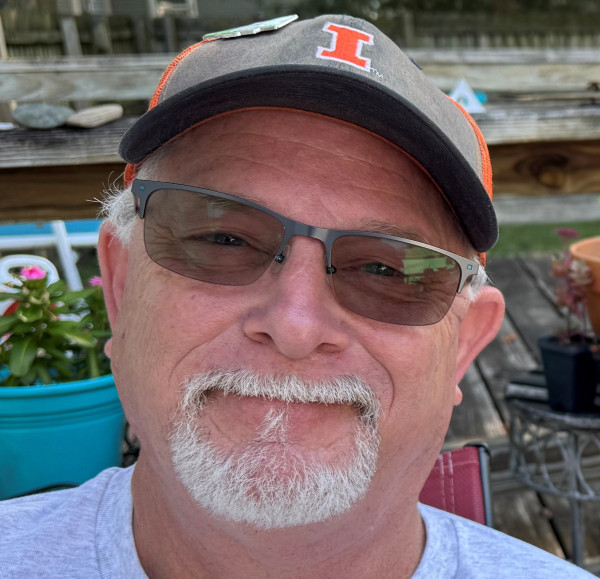
We always hear the negative things about us. We need to be more intentional. We need to hear positive things. You don’t realize how much you mean to people.
“I’ve not had anybody not give us positive feedback on all our work,” he adds. “Monticello and the area have embraced us.”
“I think what the Boones are doing is absolutely phenomenal,” Algee says.
Learn more
If you are experiencing mental or behavioral health issues, such as depression, anxiety or addiction to alcohol or drugs, there are resources available.
- The OSF HealthCare website lists resources such as support groups and SilverCloud, an anonymous online platform available to people 18 and up living in an area served by OSF, even if you’re not an OSF patient.
- The 988 Suicide & Crisis Lifeline. The lifeline encourages veterans to press one to be linked with resources unique to that group.
- The 741741 Crisis Text Line, similar to 988. This hotline’s website encourages you to reach if you simply “need to vent.”
- The Substance Abuse and Mental Health Services Administration, or SAMHSA.
- The Jamie Boone Project website lists other resources and hotlines.
“Talk to somebody. A professional, a friend,” Johnny urges. “Make a mental health safety sheet. Write down what things calm your spirit and who you can talk to. Anything that will help you get through a stressful situation. When you’re in the middle of the stressful situation, you’re not going to remember that you like to listen to a certain music to calm you down. You need to write it down. And make sure you give a copy to a friend or family member you talk to a lot. That way, they can spot the warning signs.”
“It’s OK to not be OK. You’re not alone. Don’t be afraid to have the hard conversation because suicide does not discriminate,” Anita says.
Interview clips - Johnny and Anita Boone
Interview clips - Brittany Algee
B-roll
Related stories
Is it depression, ADHD or bipolar disorder?
Suicide prevention involves all of us
PTSD has a wide range of treatments
Don't feel the burn
Difficult, not bad: Navigating tough conversations
Fall into self-care
College student home? Here's how to check their mental health
Big emotions, bigger solutions