
What parents should know about children's hearing loss
Key Takeaways:
- May is national Speech-Language-Hearing month.
- Children can develop hearing issues starting at birth.
- As children age, several factors contribute to hearing loss including noise exposure.
- Parents are encouraged to schedule hearing exams for their children.
As parents, it’s easy to sometimes think our children are ignoring us. But it’s a real possibility they could have a hearing problem.
According to the World Health Organization, about 95.1 million children age 5-19 live with hearing loss. And more than 1 billion young adults are at risk of permanent, avoidable hearing loss due to unsafe listening practices. May is national Speech-Language-Hearing month and is a good time to raise the importance of staying on top of our children’s hearing.
Krista Irmeger, AuD, an audiologist with OSF HealthCare, says congenital hearing loss starts at birth.
“It can be genetic. It can be a factor in pregnancy with the mom; it can be acquired later with different viruses and illnesses,” says Irmeger.
There are plenty of signs to look out for, Irmeger adds. In babies, it starts when they don’t get startled at loud noises. They don’t use signal words by the time they turn 1. Signal words are basic words and gestures toddlers use to communicate basic needs, regulate their emotions or express preferences before they develop full sentences. In older children, speech and language development is delayed. They don’t follow directions or often turn the TV volume up.
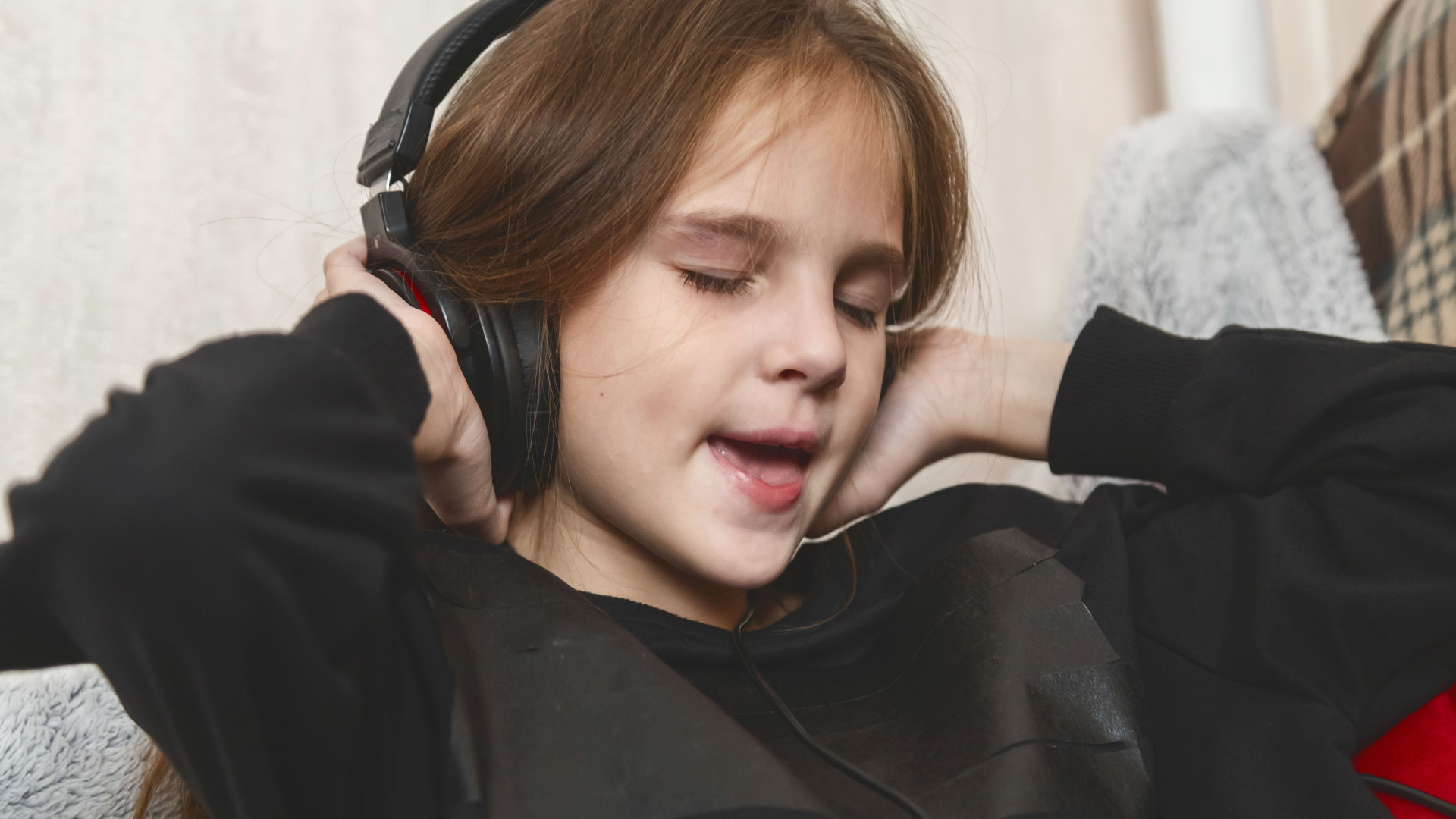
As children age, there are several contributing factors that could lead to hearing loss. The biggest one is noise exposure. That can include repeated exposure to loud music or attending concerts or fireworks displays. Another potentially bad habit is overusing ear buds and headphones.
“Kids nowadays are using earbuds and headphones like crazy,” says Irmeger. “So, monitoring the volume of that; the rule that we go with is 60% or less of the max volume, never greater than that. And then monitor how much time they're using headphones and earbuds. Wearing hearing protection when you're around loud noises, concerts, sporting events, fireworks...”
Children should be receiving hearing exams in school through middle school. But if parents have any concerns or notice any issues such as speech and language delays or frequent ear infections, Irmeger encourages parents to make an appointment to see an audiologist to set up a hearing exam. Ear tubes are an effective way at treating hearing loss caused by chronic fluid buildup or repeated infections in the middle ear.
“If there's an underlying medical condition like an ear infection or a structural abnormality, first we would get that treated,” Irmeger says. “And if the hearing loss is still there, then it would be a hearing aid, and if it's more severe, it'd be a surgical treatment, like a Bone Anchored Hearing aid (BAHA) or a cochlear implant.” BAHA is a surgically implanted device that uses bone conduction to transfer sound directly to the inner ear, bypassing the outer and middle ear. A cochlear implant is a small electronic device that can provide a sense of sound to a person who is deaf or severely hard-of-hearing.
Getting the news that hearing aids are needed can be unsettling to anyone. Irmeger says children typically react in one of two ways. “Some children are excited to have hearing aids because the kids in their classroom are like, ‘Whoa, that's really cool that you have that.’ And others are more reserved and they're hesitant to get them. I think the big factor that really helps is how the parents respond. If they're super excited and they make it seem like a cool thing that they get to do.”
Preserving your child’s hearing starts with good habits developed in the home. “If you're in a situation and it's loud for you, it's going to be loud for your kids too,” says Irmeger.
For more information on children and hearing, visit the OSF HealthCare website.