Dirtier than you think: Keeping your home disease-free (part one)
Here’s a checklist of spots in your home that you might not realize need regular cleaning to prevent illness spread
Key takeaways:
- Showers, sinks and toilets should be cleaned daily to prevent mildew and mold. Flush the toilet with the lid down.
- A couple times per week, clean or swap out sponges, cutting boards, sinks and refrigerators.
- Move clothes from the washer to the dryer quickly to prevent bacteria.
- Sweep and clean garages a couple times a month, looking specifically for dust, cobwebs, bugs and moisture.
Author's note: this is part one of a two part story on keeping your home clean. Click here for part two.
You’ve heard it plenty: staying illness-free involves daily healthy habits with your own body, such as coughing into your arm and frequent handwashing.
But the environment around you – specifically your home – needs daily attention, too, to avoid ailments lurking on surfaces and in crevices. Young kids and pets might get into these areas unintentionally and get sick with things like pink eye, salmonella, E. coli and a staph infection.
Kelsey Walker, APRN, a family nurse practitioner at OSF HealthCare, has a checklist of spots in your home that can be dirtier than you think and what you can do about them.
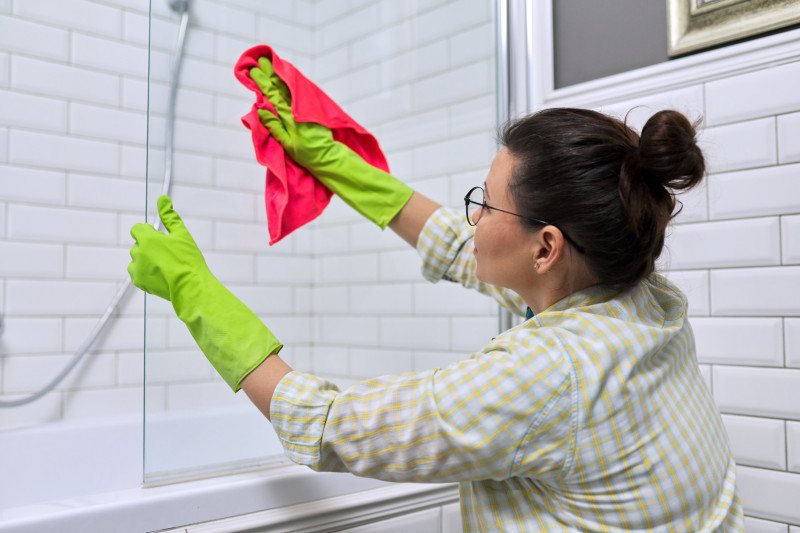
- Bathroom: This is the most obvious one, but it’s worth the reminder. Showers, sinks and toilets should be cleaned daily. Keep the space ventilated. At the first site of mold (look for brown, black or fuzzy white spots or a stale, musky odor), take action quickly. A bleach and water mix (one part bleach and 10 parts water) might do the trick, or you might need to call a professional.
“Once a week, do a deep bathroom clean. Clean the bathtub, the toilet bowl and countertops,” Walker adds. “Even the toothbrush holder is missed a lot of times. So make sure that’s clean.”
Clean your shower/tub from top to bottom. Flush the toilet with the lid down to prevent tiny germs from traveling through the air and onto items. Keep those items, like toothbrushes, away from the toilet. The American Dental Association also recommends not sharing toothbrushes and swapping out your toothbrush every three to four months.
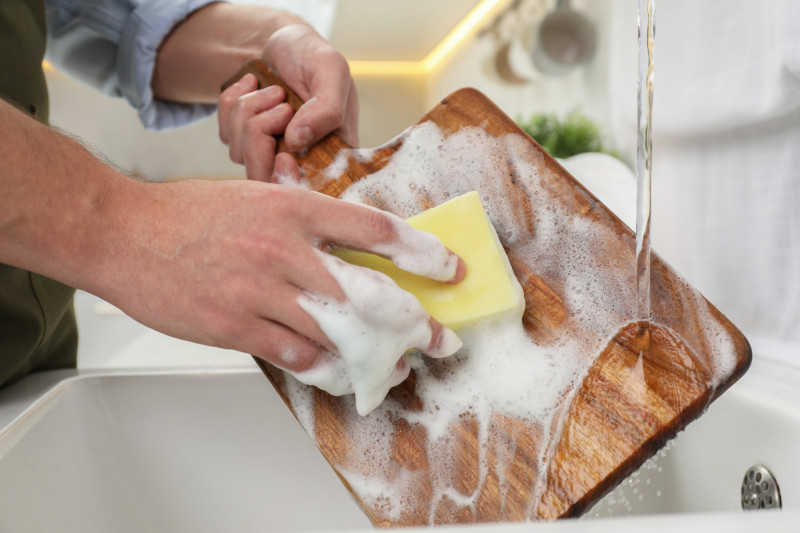
- Kitchen: Sponges, cutting boards, sinks and refrigerator handles can all harbor germs, Walker says. Change or sanitize your sponges a couple times a week, she suggests. The U.S. Department of Agriculture says to clean your cutting board with soap and warm water often, especially when working with raw meat. Use a wet wipe on your fridge handles.
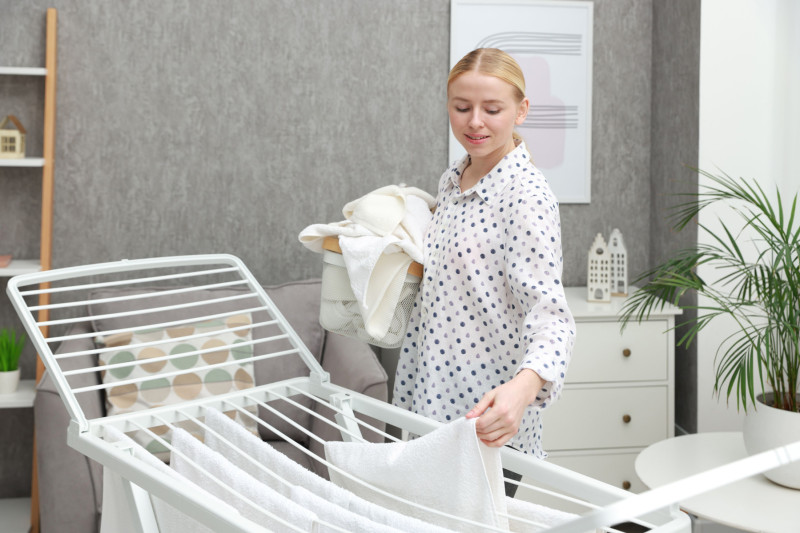
- Laundry room: Walker says if you leave clothes in the washer too long, they can develop bacteria. So move them to dry promptly.
- Garage: “That’s a dark place that can harbor moisture, dust, mold and mildew,” Walker explains. “So a couple times a month, I would sweep it out. Make sure you’re getting cobwebs and bugs out. Just get rid of anything that’s collecting moisture.”
Take action
Walker says if you develop symptoms of an illness brought on by a dirty house, see a health care provider right away. Symptoms can include nausea, vomiting, fever, cramps, diarrhea, bloody stool, coughing, headache, fatigue and skin issues like bumps or discoloration.