
Healthy snacks for kids
Key Takeaways:
- Healthy snacks are imperative for kids who are back in school.
- Good choices include protein, fiber and fats.
- Dietitians recommend apples with peanut butter, fruit cups and cheese sticks.
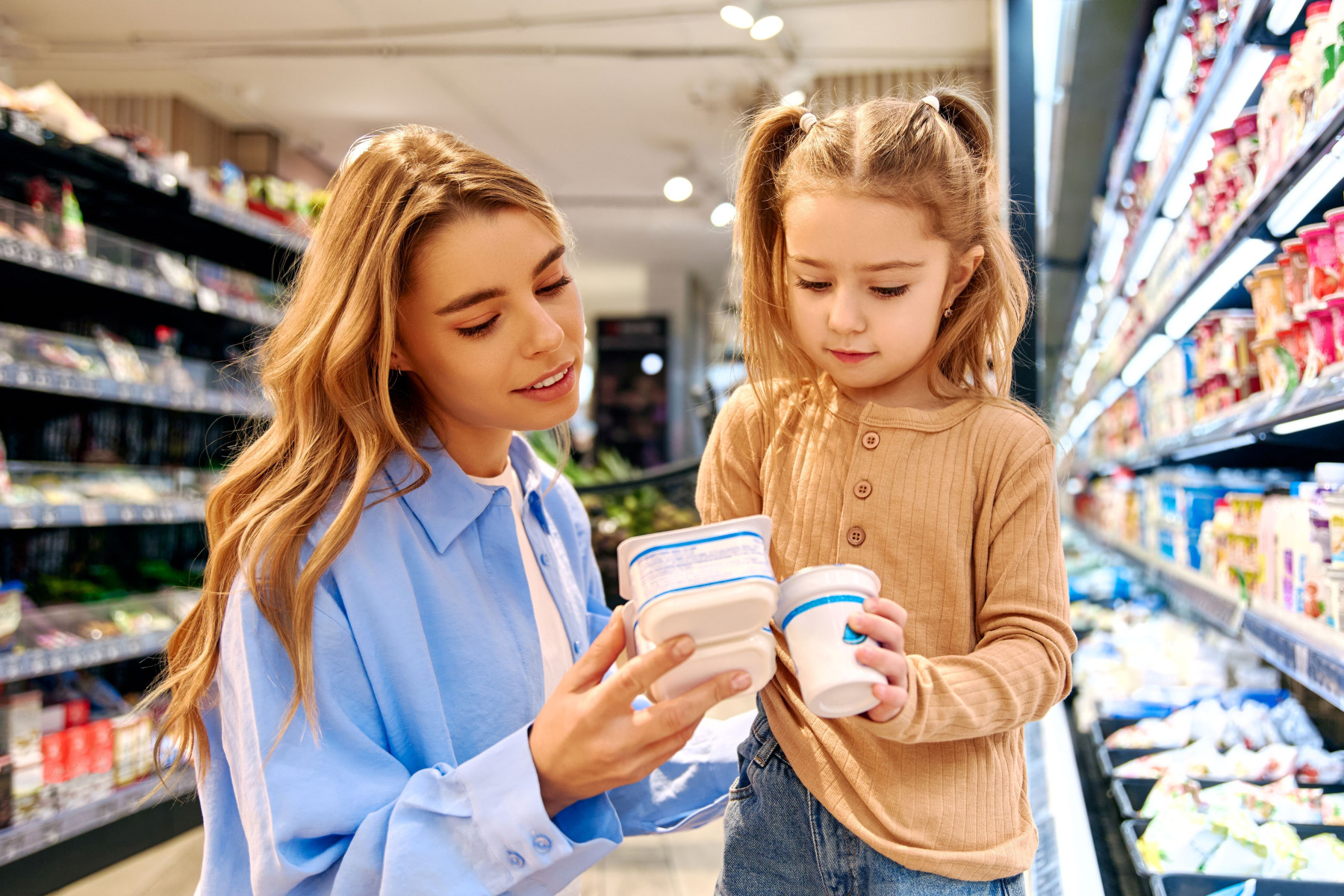
- Let your child pick out a few options at the grocery store. Pay attention to nutrition labels.
Kids are back in school, and between early bus rides, a packed day of classes and after-school activities, they can get hungry. So, what should parents pack to give their children the energy they need throughout the day?
Nicole O’Neill, RD, a dietitian with OSF HealthCare, says parents should remember that kids have different nutritional needs than adults.
“They need fuel, so you have to give them good fuel,” she says. “Things like protein, fiber and fats are going to be the most important part. And remember, their little bellies are smaller than ours, so they can't eat three square meals and have just enough. They probably need a snack, especially if they get up earlier now than they did in the summer. If their lunch hour is earlier than noon, if they play sports, if they have a gym class, snacks are important for kids.”
What makes a healthy snack?
The best snack depends on the child, including their tastes and what they are actually willing to eat. But O’Neill says a good starting point is to pair foods that provide protein, healthy fats or fiber. For example, she recommends apples with peanut butter. Fruit cups packed in juice can also work, especially when paired with a protein or fat, such as a cheese stick.
“I personally recommend, for snacks, apple and peanut butter. That is an easy win right off the bat,” O’Neill says. “I do like the fruit cups in fruit juice, but you need to pair that with something that has a little protein or fat, like a cheese stick. Cheese and crackers is a great option.”
O’Neill also likes homemade snacks, such as energy bites made with peanut butter, banana, oatmeal and a few chocolate chips.
Get kids involved
Parents can also get their children involved in picking out their snacks with some guidance. “Because every kid is going to want candy or chips, but you do have to offer them something that they like,” O’Neill says.
She recommends taking children to the grocery store, letting them help pick out a few options and trying those foods at home before packing them for school. “Still get their input, see what they like, see what appeals to their eyes, and try it at home before you send it to school,” she says. “Make sure they genuinely, truly like it.”
Timing matters
How often a child needs a snack can depend on their age, schedule and activity level. A child who leaves home early, has gym class or participates in sports may need additional fuel throughout the day.
For young athletes, O’Neill recommends having a snack before practice or a game. A snack after the activity or on the way home can also help keep hunger in check before dinner.
When choosing packaged snacks, O’Neill recommends reading nutrition labels and paying attention to sodium and the percent daily value.
Above all, she says, parents should focus on providing foods with nutritional value while remembering that treats can still be part of a healthy overall diet.
“When you go to the grocery store, it's important to pick good things, not just candy, not just chips, which those do have a role in a normal diet. You can't eliminate all of that all the time,” O’Neill says. “But if we're going to have a snack every single day after school, it needs to be a beneficial snack that gives nutritional value.”
For healthy recipe options, visit OSF HealthCare.