
Infant nutrition misconceptions, part one
Key takeaways:
- Whether you choose breast milk or formula for your new baby, there are plenty of misconceptions about how to keep them well nourished.
- Babies under six months should not have water. After six months, talk to a health care provider about how to introduce water slowly.
- Breastfeeding alone will not cause your breasts to sag or otherwise change. Those changes begin during pregnancy.
- Women with small breasts should not worry about not having enough breast milk.

Author's note: This is part one of a four part story on infant nutrition misconceptions. Read part two here, part three here and part four here.
Bringing a new baby home raises the focus on their and mom’s well-being. Toward the top of the list: what and how the child is being fed.
Whether you choose to breastfeed or use formula, misconceptions about infant nutrition are everywhere. Xandra Anderson, an international board-certified lactation consultant at OSF HealthCare, cuts through the noise.
- My baby needs water in addition to milk or formula.
It’s a common thought, Anderson says. One, adults need water, so people assume infants do, too. And two, formula can involve mixing in water, so mothers think they need to do the same with breast milk.
“Really, breast milk is about 80% water,” Anderson says. “It’s there. It’s complete nutrition. You’re not missing anything.”
Anderson adds it’s actually dangerous to give water to babies under six months. They can overhydrate, leading to possible kidney damage. After six months, Anderson says to talk to a health care provider about introducing water. She says one to two ounces of water per day to help wash down solid food is common.
- Breastfeeding will make my breasts sag.
Anderson says breast changes begin during pregnancy and are not solely a result of breastfeeding. Some women will notice their breasts are larger once they are full of milk, but there are more factors at play.
“[During pregnancy], your hormones are changing a lot. Your ligaments are stretching. We’re getting ready for a baby,” Anderson explains. “Then you have your baby, and your milk starts to come in. Regardless of whether you breastfeed or formula feed, you’ll see some breast changes. It was those hormonal changes in pregnancy.
“[Breast changes] can also be related to your lifestyle,” she adds. “Smoking affects your skin health, and you can see that affect the breasts. It can be related to age or a family history [of health issues such as lupus and other autoimmune diseases].”
Anderson also says research has found breastfeeding can actually promote breast health. For example, it can reduce your breast cancer risk.
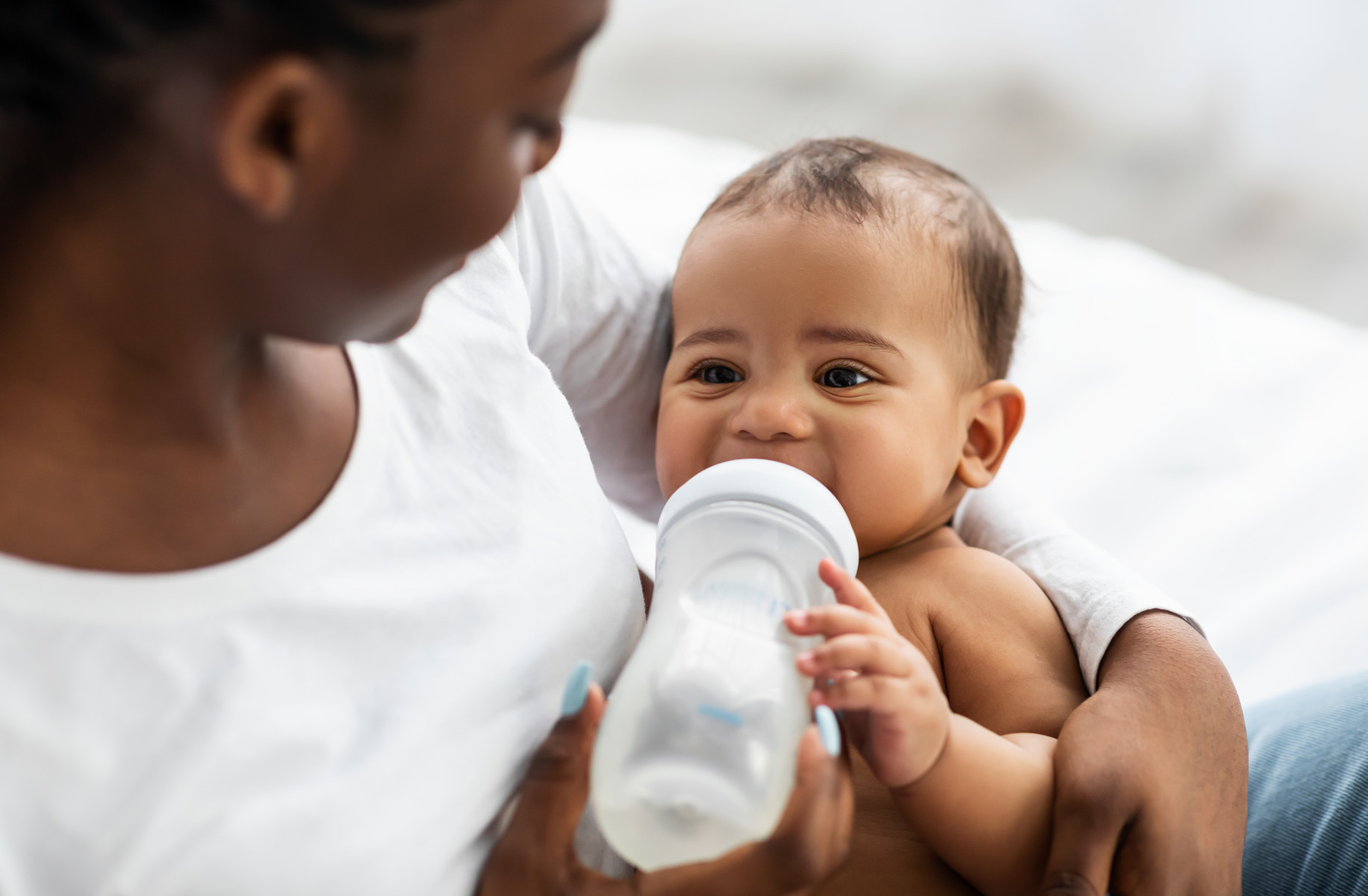
- I have small breasts, so I won’t have enough breast milk to keep my child nourished.
Anderson retorts with an affirmation we’ve heard since childhood: It’s what’s on the inside that counts.
“Size of the breast is not a factor in being able to breastfeed. What is a factor is the amount of milk glands in your body. We all have those milk glands. Size just relates to fatty tissue,” Anderson says.
The only time size may come into play, Anderson says, is if a woman gets a breast reduction where milk glands are removed. In that case, talk to a health care provider about your options.
Learn more
Read more about how to have a successful pregnancy and following years on the OSF HealthCare website.
Interview clips
Related stories
Mental health medication and pregnancy