
Danville, Illinois,
02
January
2025
|
08:00 AM
America/Chicago
Infant nutrition misconceptions, part three
Summary
Key takeaways:
- Unless you're very ill or have certain conditions like HIV, you can still breastfeed while sick.
- In the short term, breastfeeding can suppress ovulation. But long term, it doesn't impact your ability to get pregnant.
- How long to breastfeed? It's a talk among mom, her loved ones and her health care provider.
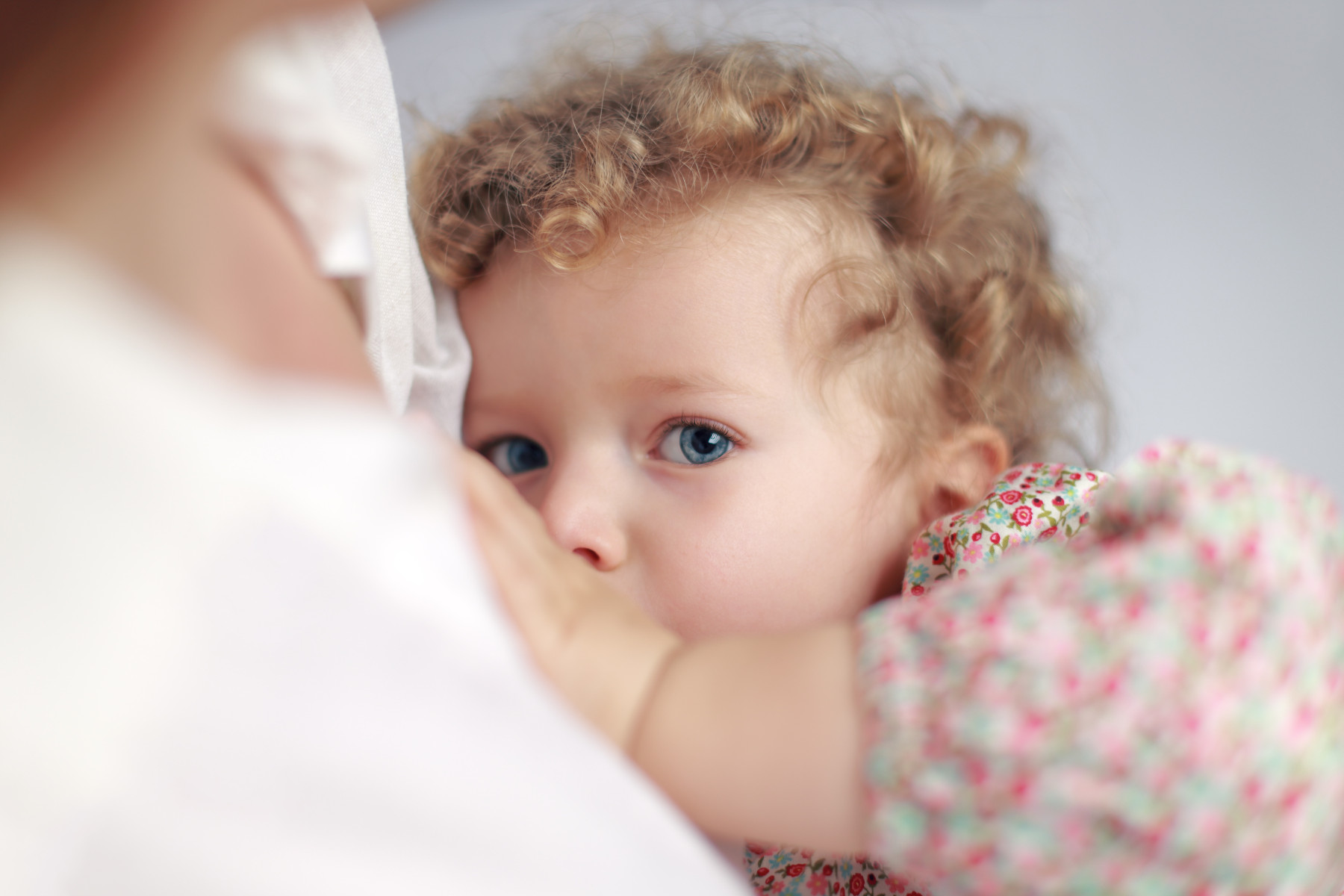
Breastfeeding of older child
Author's note: This is part three of a four part story on infant nutrition misconceptions. Read part one here, part two here and part four here.
Bringing a new baby home raises the focus on their and mom’s well-being. Toward the top of the list: what and how the child is being fed.
Whether you choose to breastfeed or use formula, misconceptions about infant nutrition are everywhere. Xandra Anderson, a certified lactation consultant at OSF HealthCare, cuts through the noise.
- I shouldn’t breastfeed when I’m sick.
If you’re very sick, focus on rest and recovery. And if you have certain conditions like human immunodeficiency virus (HIV) or herpes with open lesions, don’t breastfeed. But otherwise, experts say it’s OK. You’ll pass antibodies to your baby.
To put it another way: “Breast milk is like the first vaccine,” Anderson says.
“There’s also this cool backwash effect. When your baby is at the breast, their saliva communicates with your body,” she adds. “If your baby starts to show signs of what you are sick with, your body ramps up and says ‘my baby needs extra of this’. The communication is amazing.”
- Breastfeeding can prevent future pregnancies.
Long-term, it doesn’t impact your fertility, Anderson says.
But short-term, she says prolactin, the hormone needed to make milk, suppresses ovulation.
“[Prolactin] peaks at night. So if you miss night feedings, you’re potentially allowing ovulation to start again,” Anderson explains.
“Is breastfeeding 100% prevention of future pregnancies? No. But exclusive breastfeeding can really delay your period and ovulation for as long as you exclusively breastfeed,” Anderson adds. “As baby gets older and you breastfeed less, you may notice your cycle comes back. Once you stop breastfeeding [entirely], your body really does go back to normal.”
- Societal norms say I shouldn’t breastfeed past a certain age.
It’s a topic that sometimes makes its way to daytime talk shows, drawing side eyes from other moms. Should you stop breastfeeding after a year or two? Or is it OK to breastfeed until the child is three, four or five?
Anderson admits it’s a hot debate, even a stigma. She says in the United States, breastfeeding up to six to 12 months is most common. But the World Health Organization and the American Academy of Pediatrics recommend breastfeeding up to age two and longer. Either way, Anderson says breastfeeding for a long time doesn’t present health concerns for mom or the child.
“There’s really no cutoff. It really depends on what works for you and your family. I have a lot of moms that hit 18 months and are ready to be done. And that’s OK. Your baby has made it past those 12 months where it’s necessary to have breast milk,” if you’re choosing to breastfeed, Anderson says.
“Mom is the boss always,” she adds.
Learn more
Read more about how to have a successful pregnancy and following years on the OSF HealthCare website.