
Skin care is not skin deep
Summer means more time outside and a need to maintain your skin. Experts say there’s more to it than just daily washes.
Key takeaways:
- It's natural for our skin to change as we age. But you should know the signs of conditions like eczema, rosacea and psoriasis.
- Skin care tips include: wear sunscreen and protective clothing outside, don't smoke, drink lots of water, don't shower in very hot water and don't scratch itchy skin.
- Poor skin care can lead to wounds and infections. Skin cancer is also possible if suspicious moles go unchecked.
As a longtime health care provider, Amber Oberheim, APRN, always thought she was taking good care of her skin. She’s counseled patients on the topic and even spoke about it at a community forum. But a recent trip to the spa reminded her of what’s true for all our health care: there’s room to do better.
“The worker asked what I used to wash my face. I said I use a bar of antibacterial Dial soap. She did not like that response,” Oberheim chuckles. “So I did a little bit of research. I found that product is extremely drying [for the skin].”
Now, Oberheim, a family nurse practitioner at OSF HealthCare, is reminding you about what happens to aging skin, what you can do to maintain your skin and the serious consequences if you don’t.
Aging skin
Oberheim says it’s natural for your skin to dry and thin with age.
“It tends to lose collagen and elastin. Some of the oil and sweat glands that provide natural moisture, especially on our face, start to decline,” she says. “That leads to more lines and wrinkles.” Sagging skin is also possible.
Some of the changes may be genetic (in other words, passed down from family). But Oberheim says sun exposure plays a big role. If you have a long career working outside, for example, your skin may change faster. Smoking can also accelerate skin breakdown.
Consequences
Some people may see skin care as purely cosmetic. If I’m not a model or television news anchor, I’ll just do the bare minimum.
That’s not the right approach, Oberheim says. Poor skin care, especially in older adults, can lead to persistent bruises and skin tears leading to wounds.
“Sometimes it doesn’t take much. I’ll see patients who have small dogs that jump on them. Even just the clawing from the dog will put a tear in the skin because the skin is so thin and fragile,” Oberheim recalls. “When that happens, we have to make sure to keep the skin clean and dry. If we end up with an infection, that can lead to cellulitis. Cellulitis can lead to other things, including sepsis [a possibly deadly condition where your body responds improperly to an infection]. So we’d need to take precautions and fix the infection with maybe some antibiotics.”
The bottom line, Oberheim says, is if your skin problem isn’t responding to at-home treatment after a few days, see your primary care provider or a dermatologist.




Other conditions
Other skin conditions to be aware of:
- Eczema (also called atopic dermatitis): This causes dry, itchy scaly skin patches. Experts don’t know exactly what causes it. But Oberheim says allergies, asthma and even stress can play a role, and it’s often worse in the winter. She says eczema can affect all ages and appear anywhere on your body.
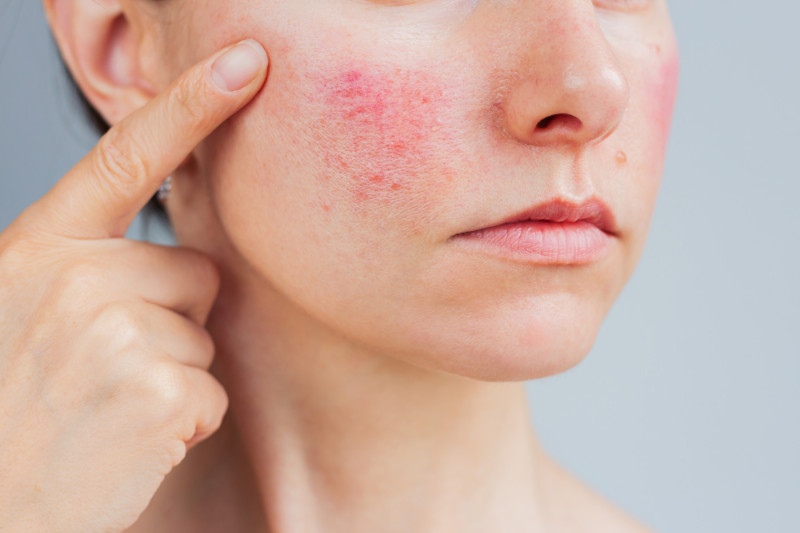
- Rosacea: This causes redness, pimples, broken blood vessels and, in severe cases, a misshapen nose. It most often affects the face and eyes.
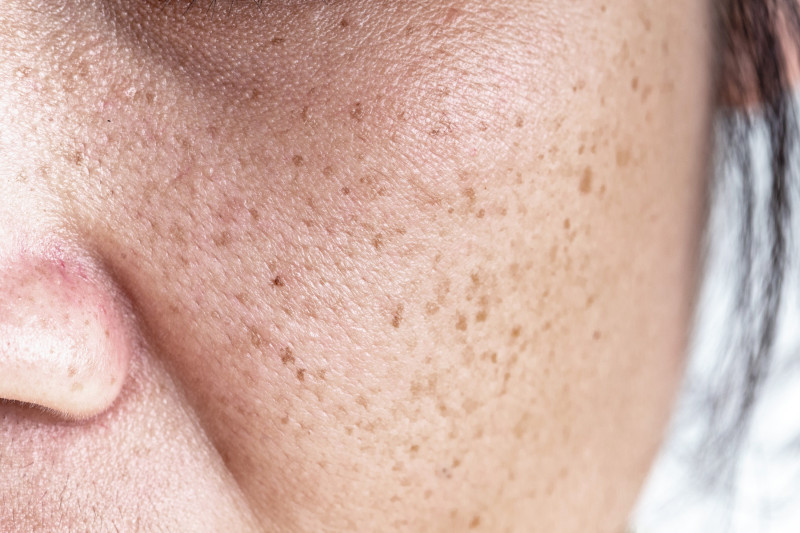
- Age spots (also called liver spots): Oberheim says these look like “big freckles.” They’re often flat and dark-colored. They’re associated with sun exposure, and so they’re often seen on the head and face.
“They’re usually not super problematic, but they’re not cosmetically appealing,” Oberheim says.
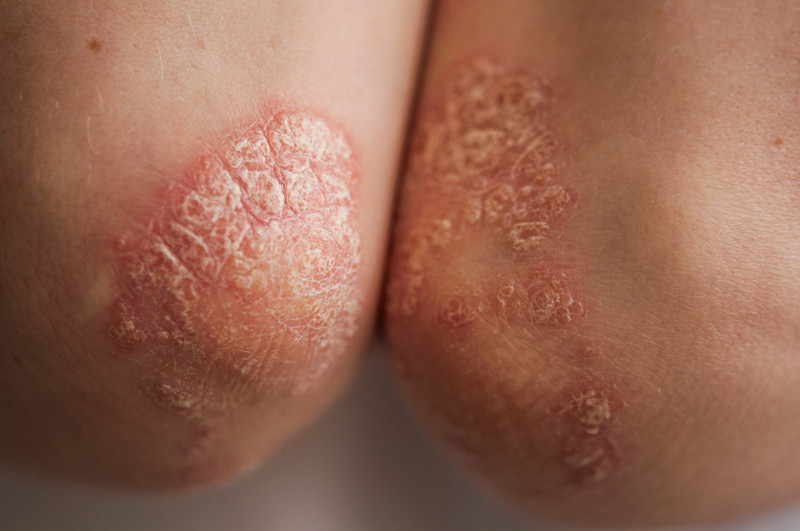
- Psoriasis: This causes inflamed, red raised areas of skin that can itch and be painful. This is often seen on the scalp, elbows, knees and lower back.
- Poison ivy and oak: Oberheim says she sees these issues often in her clinic. When someone rubs up against the plant or an object that’s touched the plant, they can get a red, bumpy itchy rash with fluid-filled blisters.
Prevention
So, what should your daily skin care routine be? Should you be getting facials at the spa regularly? That’s probably not necessary, Oberheim says. But daily washing and moisturizing is. Look from certain things on skin care product labels: retinol (helps with skin firmness and reducing wrinkles), vitamin C (helps brighten age spots), hyaluronic acid (helps with moisturizing), niacinamide (helps reduce redness), collagen and peptides.
Other things to consider:
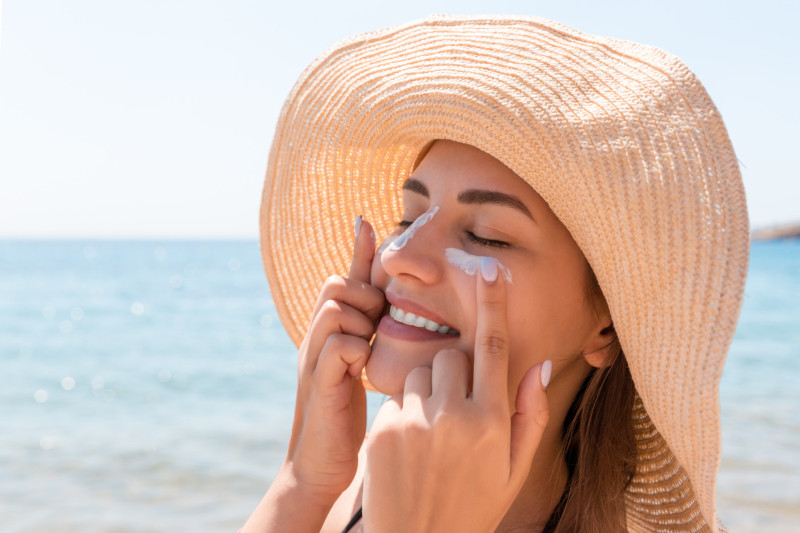
- Wear sunscreen of 30 SPF [sun protection factor] or higher when outside, and reapply it every few hours.
- Wear protective clothing like a wide brimmed hat, long sleeves and long pants when outside. Wash clothes right away when you get home. Also, know which plants are in your area to avoid the pesky ones.
- Don’t smoke.
- Drink plenty of water all the time, not just during outdoor activities.
- Don’t bathe or shower in very hot water. This can dry the skin.
- Try not to itch any skin lesion. You don’t want a wound to open and risk an infection.
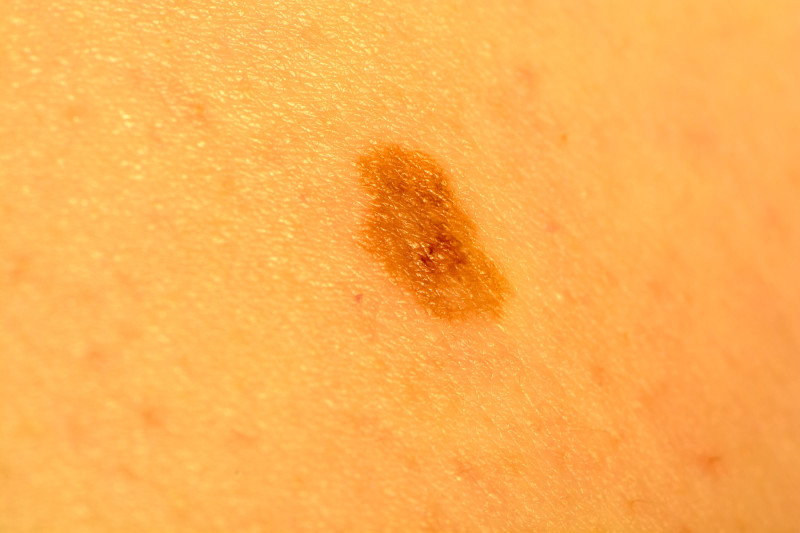
- Know your body. Watch for suspicious moles or lesions that might be a sign of skin cancer. Experts say you can remember the ABCDEs: if the mole is asymmetric, has an irregular border, has an odd color, has a big diameter or is evolving, see a provider.
Learn more
Read more about how to keep your skin healthy on the OSF HealthCare website.
Interview clips
Related stories
More than moles
‘Sepsis does not discriminate’