
More than moles
May is Skin Cancer Awareness Month. Doctors want you to know all types of skin lesions so you can be vigilant for cancer and other issues.
Key takeaways:
- A skin lesion could be a mole, blister, rash, wart, skin tag, bug bite, birthmark and more.
- If you suspect a lesion is a bigger problem like cancer, a health care provider will biopsy the lesion then possibly remove it.
- Some lesions, like freckles, are natural. But others you can prevent. Limit your time in the sun, wash your body regularly, and don't smoke or tan.
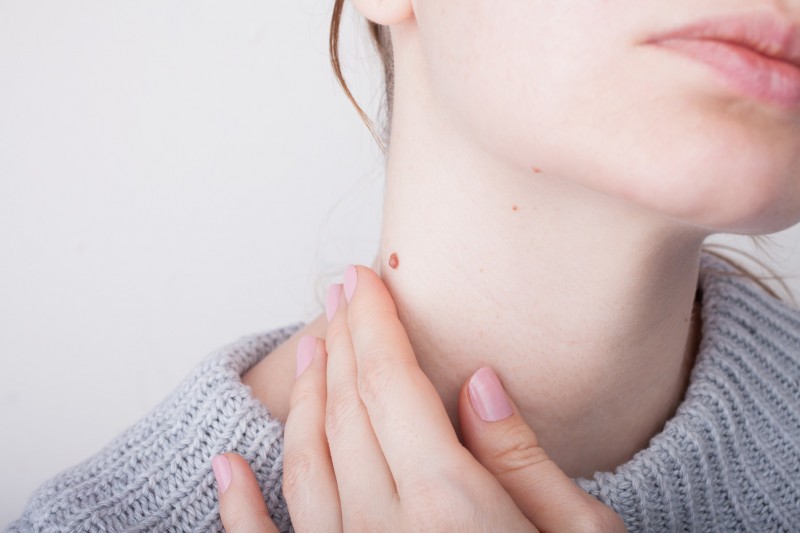
Summer means outdoor activities and a reminder to watch for suspicious moles, a possible sign of skin cancer. But doctors say skin lesions come in many forms, and you should know when to get an expert opinion.
What is and isn’t a skin lesion? Raman Kumar, MD, a colorectal and general surgeon at OSF HealthCare, has your checklist:
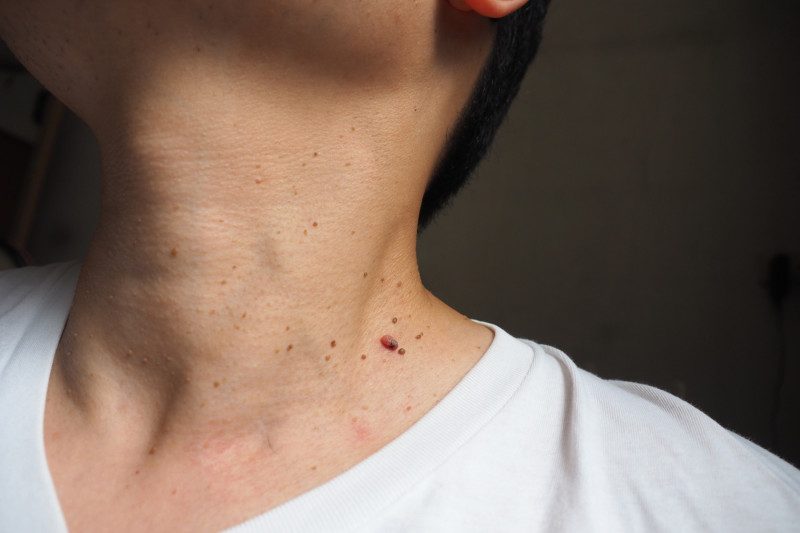
- YES: moles, blisters, bumps, acne, boils, peeling skin from a sunburn, rashes, poison ivy or similar skin reactions, warts, skin tags and bug bites
- YES, BUT: Dr. Kumar says freckles and birthmarks are lesions, but they are not harmful.
In other words: “A skin lesion is any type of abnormal growth. It can happen anywhere on the body. If it doesn’t look like normal skin, it’s considered a growth,” Dr. Kumar says.
Causes for each of these lesions vary. We know acne is due to bacteria, and warts are from a virus, for example. Medications, lifestyle choices (like eating certain food that doesn’t agree with you) and medical conditions (such as diabetes and liver failure) are other culprits. But when the cause is unexplained, health care providers might need to investigate.
“We look at the lesion. The majority of the time, we can tell if something is benign or malignant. If we have questions, we err on the side of caution and do a biopsy,” Dr. Kumar explains. That involves cutting out part of the lesion and sending it off to a lab for analysis. “Biopsies can be done in the office. If it’s a bigger procedure, we have to go to the operating room.”
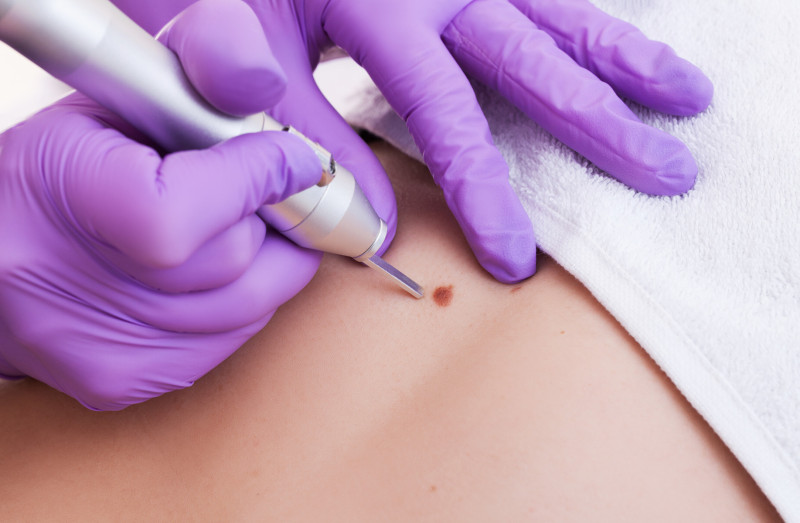
If the biopsy confirms evidence of a problem, such as cancer, the doctor will remove the rest of the bad tissue. Or, Dr. Kumar says some people come to him with a cosmetic or practical reason. They have a large birthmark or cyst on their face, are self-conscious about their appearance and would like it removed, for example. Or, they wear a hard hat for work, and the hat rubs against a lesion on their forehead, causing discomfort.
Dr. Kumar outlines how he would remove a lesion: “Let’s say it’s on your arm. We clean up the arm. We inject some lidocaine, which is a numbing agent. Then with a knife or other instrument, I’m able to cut it all out. Depending on how deep it is and the size of the lesion, we can glue it back together or put stitches in.” Regardless of the method, Dr. Kumar says most of these procedures are routine for providers with minimal aftereffects for the patient. In complex cases, like if the lesion goes down into a muscle, a plastic surgeon might be consulted.

Prevention
We can’t control if we have things like freckles or moles. But there are plenty of things you can do to help prevent problematic lesions.
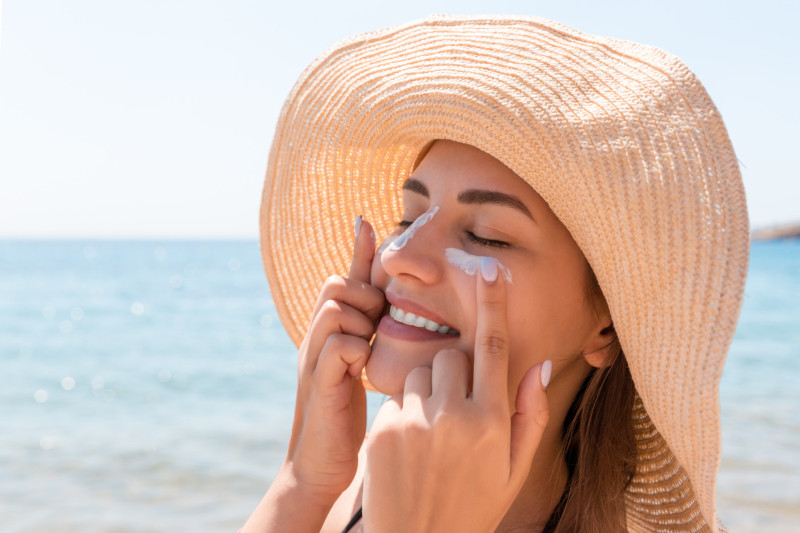
- Limit your exposure to ultraviolet rays from the sun or by tanning. In fact, Dr. Kumar would not recommend tanning at all. For outdoor activities, use waterproof sunscreen of 50 sun protection factor (SPF) or higher, and reapply every few hours. Wear long sleeves and a wide brimmed hat.
- Wear bug spray when doing outdoor activities, such as hiking, where insects are present.
- Wash your body regularly.
“Don’t overclean,” Dr. Kumar warns. “If you scratch your skin, that allows bacteria and other things to get into your skin and cause infections.”
- Don’t smoke. Dr. Kumar says smoking changes your skin for the worse, such as developing wrinkles and lesions.
- Find the right skincare products. If you use a lotion and it causes a rash, for example, don’t use that product again. Dr. Kumar adds that Vaselines and petroleum jellies are good for moisturizing your skin. But they’re thick and can clog pores.
“Keep it simple. The $100 face cream is going to work the same as the $10 one,” Dr. Kumar says.
- Know the ABCDEs of suspicious moles.
o A is for asymmetry. One half of the spot is not like the other half.
o B is for border. The mole has an irregular, scalloped or poorly defined border.
o C is for color. The spot has varying colors, like tan, brown, black, white, red or blue.
o D is for diameter. Dermatologists say melanoma skin cancers are usually greater than six millimeters, or about the width of a pencil eraser. But they can be smaller, so don’t consider diameter alone.
o E is for evolving. The mole looks different from the rest or is changing in size, shape or color. Dr. Kumar says you can take pictures to show your provider how the mole has changed.
If your lesion has any of the ABCDE red flags or you just have a concern, see a provider.
Interview clips
Related stories
Year-round sun safety
When bug bites turn serious