
Smart eats, healthy streets
Deserting a food desert can be tough, but experts have tips
Key takeaways:
- If you live in a food desert, planning your meals is key. When you can get to the grocery store, know your budget and choose healthy foods with a long shelf life.
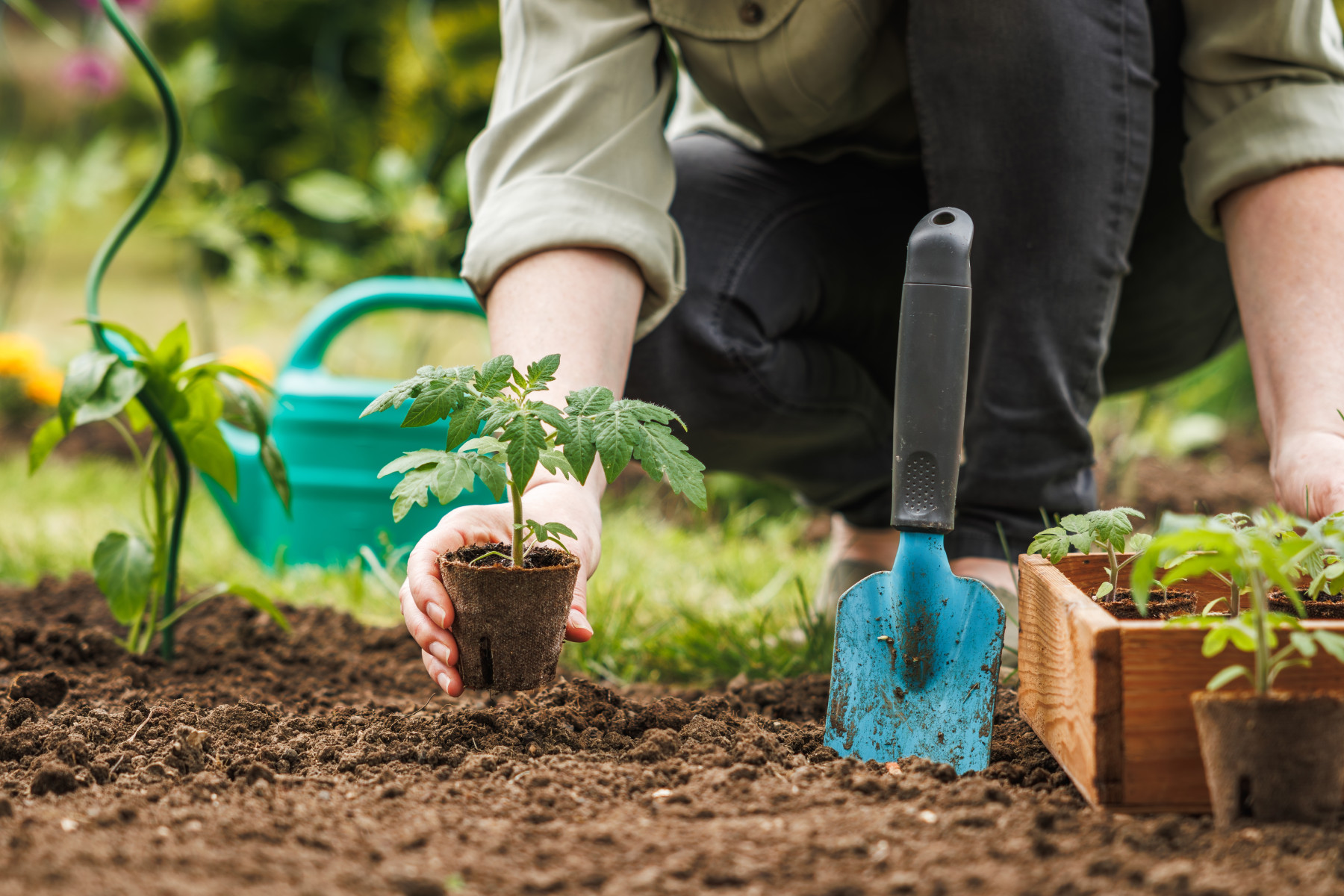
- Consider setting up a garden to make your own food.
- When you do get fast food or gas station food, choose healthier options like a grilled chicken sandwich, fruit or pretzels.
Food deserts – neighborhoods that don’t have quick access to a grocery store with healthy options – are, sadly, nothing new. They lead to quick stops at the fast-food place or gas station, where healthy food may be at a premium.
But have you ever taken a deep dive into how food deserts can significantly impact a person’s health? And more importantly, what can be done about the problem?
Clare Carley, an exercise physiologist at OSF HealthCare, has some things to keep in mind. Carley also knows about food insecurity firsthand through her support of two OSF programs: Peace Meal, which provides meals in-home or at a central site to people 60 and older, and Smart Meals, which provides a meal kit for a family of four and teaches them to cook.
“We want diets high in fruits, vegetables and fiber and low in saturated fat. Gas stations and fast-food restaurants provide the flip side. They often provide no fruits and vegetables, food high in saturated fat and no good fiber food,” Carley says.
How to navigate food deserts
- Planning meals for the week is key, Carley says. Estimate how much food you’ll need and how much you have to spend.
- If you can’t help but go to the eatery or gas station often, choose healthier options.
“I’ve found gas stations are very similar to grocery stores. As long as you stay on the outside perimeter, you’ll stay away from candy and chips that will be down an aisle,” Carley says. “When you walk in, there’s usually some sort of fresh fruit or vegetable right there. Pretzels are really great filling snacks. Nuts are good for you. You have granola bars too.”
One caveat: Carley says to check labels of packaged salads at the gas station. She says they are often heavy on unhealthy preservatives.
At restaurants, opt for a grilled chicken sandwich and water rather than a cheeseburger and soda. Carley also says healthy choices are sometimes hidden on the kid’s menu. Look there for things like apple slices, and make that your side instead of fries.
- When you can get to the grocery store, make wise choices. Carley suggests canned fruits and vegetables that have a long shelf life. For vegetables, look for options with low salt. You can also rinse the veggies at home to remove some of the salt. For fruit, look for options that are canned in 100% juice or water, not syrup.
- Consider creating a garden at home or advocating for a community garden in your neighborhood. Carley says this allows you to bank up healthy food for the winter. It’s also likely going to be cheaper, she says, given the rising cost of groceries. And working outside provides benefits to your physical and mental health, too.
“It’s a little extra work, but it pays off in the long run,” Carley says.
- Talk with a dietitian, nutritionist or wellness expert about making diet changes.
How to help people who are struggling
Carley says everyone can help in the fight against food insecurity. Get to know your community so you know which groups are struggling, such as parents struggling to afford school lunches for their kids. Then, talk to health care groups, social service groups and government groups about changes. For example, it’s not uncommon for residents to encourage their city council to recruit a grocery store to town.
The consequences
Frequent meals from the gas station or drive through can lead to obesity, heart disease, diabetes, high blood pressure and high cholesterol.
“Fast food is notorious for being high in salt. Those foods retain water in our body and can lead to heart and lung problems,” Carley says.
Childhood obesity, Carley adds, is a big problem in the United States and can set kids up for a lifetime of health problems and doctor visits.
Learn more
If you have concerns about food insecurity, contact the OSF hospital near you to see if it offers a program like Peace Meal or Smart Meals. The OSF HealthCare website has healthy recipes.
Social service agencies or schools in your area can also help. Carley says food pantries typically are open to accommodate adults who work different shifts.