
Summer heat can affect medications, pharmacist warns
Key Takeaways:
- Store medicines in a cool, dry place — not the bathroom or a hot car — as extreme temperatures and moisture can reduce their effectiveness, including for refrigerated drugs like insulin.
- Some medications can increase the risk of dehydration, dizziness, or sun sensitivity, making it especially important to stay hydrated and protect yourself from the sun.
- Ask about proper storage, side effects, and what to do if medication is exposed to heat so you can use it safely and effectively.
As summer temperatures climb, pharmacists say the heat can do more than make people uncomfortable – it can also reduce the effectiveness of medications and increase the risk of dehydration and other heat-related health problems.
Lisa Heiken, PharmD, a pharmacist, medications exposed to extreme temperatures can lose their effectiveness, particularly those that require refrigeration, such as insulin.
Any medication, if it's left in extreme temperatures, can degrade the effectiveness. Heiken says that includes over-the-counter meds such as Tylenol, ibuprofen, or supplements such as vitamin C or magnesium.
She adds that heat and cold can damage refrigerated medications, making them potentially less effective when patients need them most.
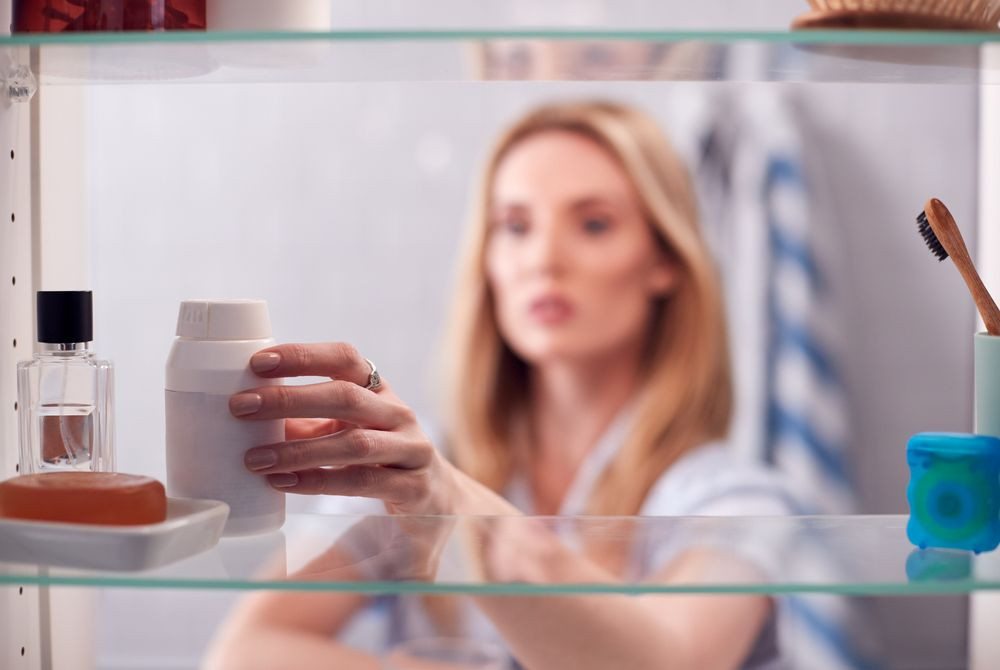
Many people also unknowingly store medications in one of the worst possible places – the bathroom. Although medicine cabinets are common, the humidity created by showers can break down tablets and capsules over time.
Don’t use a medicine cabinet
“A lot of bathrooms unfortunately do have medicine cabinets, and we don’t recommend you leave medication in the medicine cabinet as those rooms tend to have high humidity and the humidity is what breaks down medication.”
Instead, she recommends storing medications in a cool, dry location elsewhere in the home, such as a hallway closet.
Summer errands can also put medications at risk.
“Like leaving your child in the car, same with your medications. Your medications can be affected, even by short times in extreme temperatures so we do recommend that if you’re stopping by the pharmacy that you make your next stop at home, especially if you have refrigerated medications.”
Heiken advises anyone who accidentally leaves medication in a hot car not to throw it away immediately. Instead, patients should contact their pharmacist, who can assess factors such as how long the medication was exposed to heat and whether it may still be safe and effective to use.
Meds can make you vulnerable to heat/sun
Beyond proper storage, some medications can make people more susceptible to heat-related illnesses.
“A lot of heart and blood pressure medication can cause people to become dehydrated faster or dizziness as a side effect in general and so when you add heat and dehydration on top of that, that obviously will compound that problem,” Heiken explains.
Heiken encourages anyone taking antibiotics and certain other medications, to make sure to use sunscreen, wear protective clothing or stay out of the sun because the drugs can make you more sensitive to sunlight.
Bottom line, Heiken says, don’t blow off a discussion with the pharmacist when you begin taking a new medication.
“Opting into the counseling will allow you to better understand your medication and prevent future issues like dehydration and dizziness.”
As temperatures remain high throughout the summer, Heiken said a few simple precautions — proper storage, staying hydrated and understanding medication side effects — can help keep medications effective and people safe.
Lisa Heiken is the manager of OSF Eastland Pharmacy in Bloomington, Illinois.