
The agony of the arch
Living with plantar fasciitis
Key Takeaways:
- Plantar fasciitis is the most common cause of heel pain.
- It's common for people between the ages of 40 and 60.
- Common symptoms are stabbing or dull ache in the heel.
- Treatment includes stretching, wearing an arch support and physical therapy.
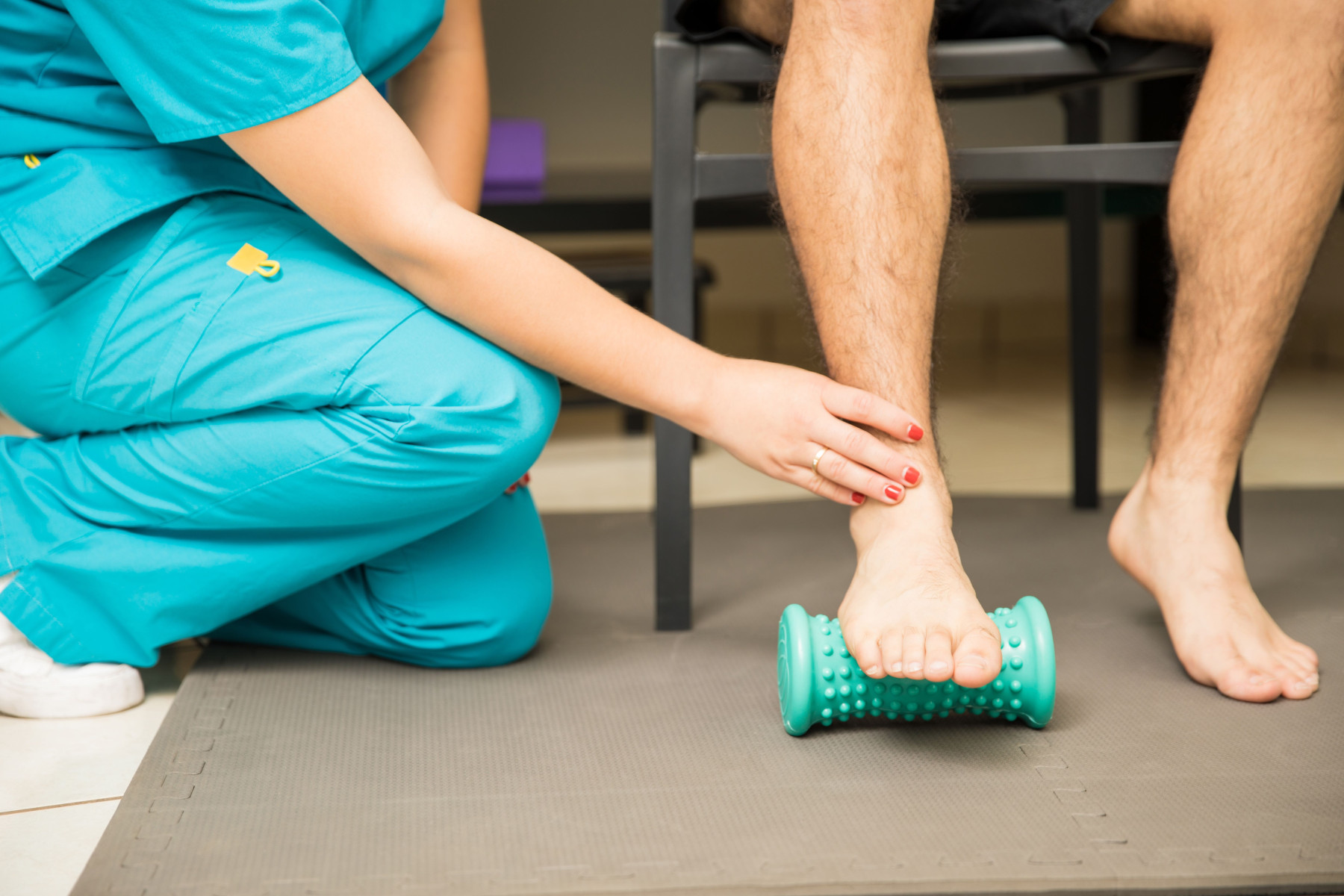
Summer is here, and that means it’s time to slip on those flip-flops and other comfortable shoes. But this seasonal wear can cause injuries and foot pain during the hottest time of the year, including plantar fasciitis.
Plantar fasciitis (fashee-EYE-tiss) is one of the most common causes of pain on the bottom of the heel, according to the Journal of Orthopedics and Sports Physical Therapy.
Plantar fascia is a strong band of tissue that supports the arch of your foot, says Brittni Zick, a physical therapist with OSF HealthCare.
“Plantar fasciitis is when the plantar fascia in the bottom of the foot gets stressed, and it's typically due to a lack of mobility in the foot,” Zick says.
Plantar fasciitis is common, especially in people between the ages of 40 to 60. It affects one in 10 people at some point in their life, and roughly two million people seek treatment for the pain and discomfort. It’s a frequent problem for athletes, especially runners, but it can happen to anyone. That includes people who have structural foot issues or often wear heels.
Zick says plantar fasciitis can feel like a dull, constant ache or a sharp stabbing pain when you put pressure on your heel. “Common symptoms are heel pain with the first steps in the morning or after a period of inactivity or if you stand or walk on your feet a lot,” she says.
There are plenty of things you can try at home to relieve discomfort. That includes massaging the bottom of your foot, rolling your foot over a cold-water bottle or wearing arch supports. You can also stretch out the hamstrings.
Zick says if you’ve been having pain for two weeks, it’s probably time to call your provider. But if you’ve already started a home treatment regiment, give it at least two months. Your provider might refer you to a physical therapist to help improve your range of motion and introduce stretching exercises. Dry needling is another technique used to ease muscle pain and improve the range of motion in the nearby joints. Surgery might also be an option for people when other factors are at play such as bone spurs.
Protect your feet
If you’re experiencing any foot pain, don’t walk barefoot. Check your shoes for signs of wear and tear and make sure your sandals or flip-flops have arch support. Wearing shoes is important because they unload the compression to the heel. Shoes with thick soles and extra cushioning can also reduce pain while standing and walking.
“Shoes are really important for preventing and managing plantar fasciitis,” Zick says. “You want a shoe that gives good arch support and allows your toes to extend.”
The best way to manage and prevent plantar fasciitis is stretching, especially before a walk. Zick says before heading out the door, stretch the bottom of your foot, the bottom of your toes and your calf muscles out.
Plantar fasciitis can last anywhere from a few weeks to several months.
“It really depends on how diligent you are when it comes to all the remedies for it, and the type of work you do,” Zick says. “If you’re on your feet a lot and you’re not wearing supportive shoes, and not doing stretches, you’re going to be battling it for a lot longer.”
There is always a chance of recurrence. But by taking preventive ‘steps,’ Zick says people can get back on their feet sooner rather than later.
For more information on plantar fasciitis and other foot-related problems, visit the OSF HealthCare website.