
The power to fight germs is in your hands
Key Takeaways:
- A recent study shows that nearly 50% of people polled do not wash their hands at key moments.
- Handwashing is important because 80% of infectious diseases are spread by dirty hands.
- There's no substitute for through handwashing. Experts recommend washing for at least 20 seconds.
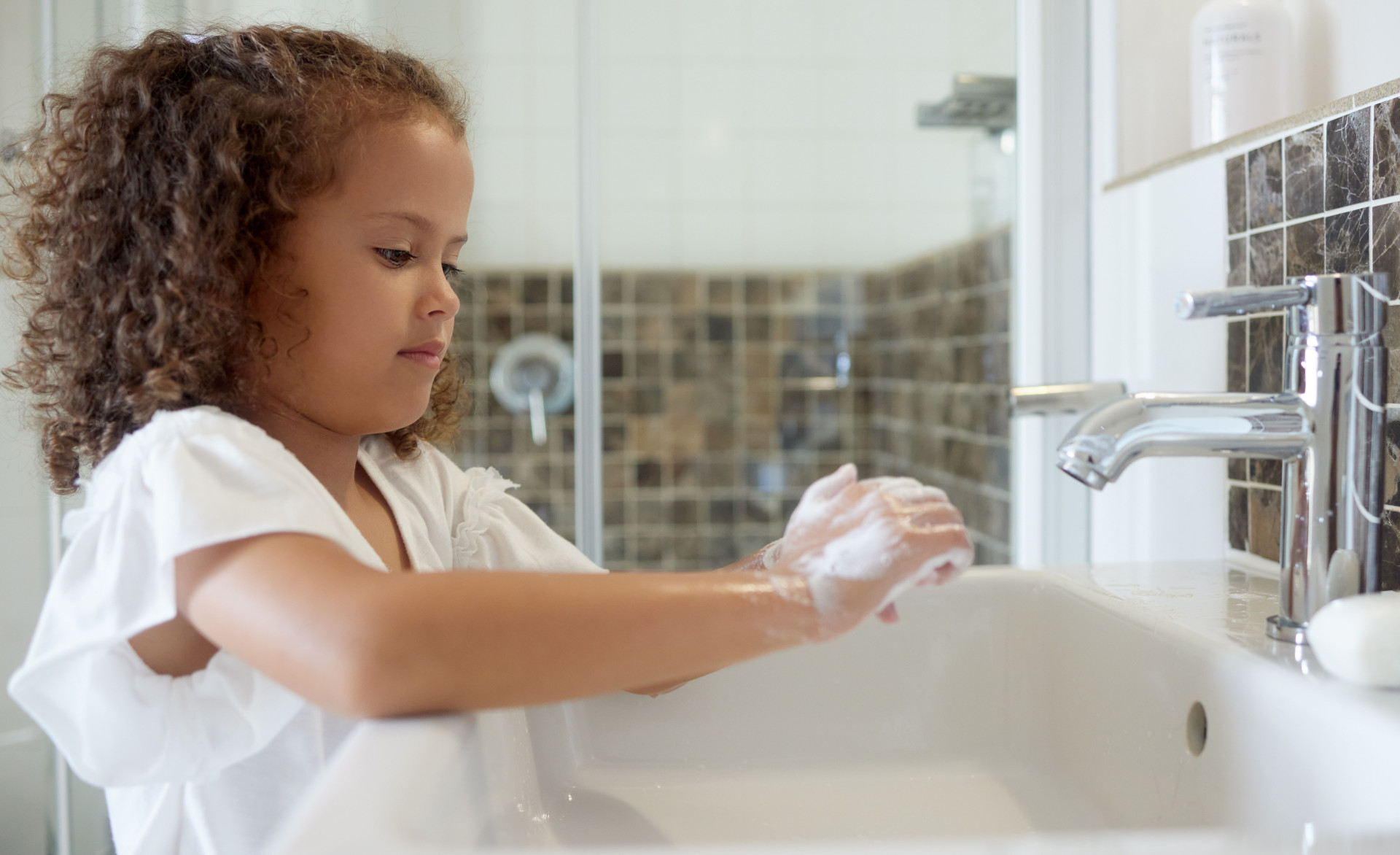
If the COVID-19 pandemic taught us one thing, it was the importance of washing our hands.
Apparently, not everyone got the message.
In May, the National Foundation for Infectious Diseases (NFID) launched the Hands In For Handwashing campaign to raise awareness about the importance of handwashing to help stop the spread of infectious diseases. The campaign includes the 2025 NFID State of Handwashing Report, based on a new national survey of U.S. adult handwashing knowledge and habits.
The survey found that only 33% of respondents report washing their hands more now than they did during the COVID-19 pandemic. Men were more likely to not wash their hands at key times than women.
The more startling fact is that nearly half of adults (48%) admit to forgetting or deciding not to wash their hands at important times, like after shopping, eating at a restaurant or visiting a health care setting.
“I was surprised to learn that only half of people wash their hands at key times, because as a nurse, that's the first thing they teach us – hand washing. Because they want us to keep our patients healthy,” says Breanne Gendron, a nurse practitioner for OSF HealthCare. “Bacteria and viruses live on surfaces and people, and we need to wash our hands, so we don't spread them amongst each other.”
The top reasons that motivate adults to wash their hands are after using the bathroom, touching food and handling human or animal waste. Washing your hands is a difference maker, especially since 80% of infectious diseases are spread by dirty hands.
“The most important times to protect yourself is before you eat,” Gendron says. “You're exposed to an exponential number of bacteria when you use the bathroom, just because of how our body's waste system works.”
Gendron offers other important tips – don’t touch your face, especially when you’re in public. Alcohol-based hand sanitizer is good to use, especially if you can’t wash your hands. But it doesn’t kill all germs. There’s no substitute for washing your hands with soap. Wash with warm or cold water for a good 20 seconds, which is enough time to sing the Happy Birthday song twice.
“The most important thing is, when you're washing you make sure you're scrubbing in between all the backs, the tops, all the parts of your hands and then rinse, just making sure you're hitting all of it,” says Gendron.
Interestingly, many people admit to washing their hands more often in the fall and winter, even though germs that cause colds and norovirus and other infectious diseases spread throughout the entire year. Gendron says make a commitment to always wash your hands.
“It's just the easiest way to remain healthy,” she says. “If you wash your hands after you go to the bathroom and before you eat, you're just giving yourself such a leg up on avoiding infecting yourself with something or people that you love and are around. It's easy, so wash your hands.”
For more information on the importance of handwashing, visit the OSF HealthCare website.