
Too much screen time, too little sleep could put kids’ health at risk
Key Takeaways:
- According to a recent study, too much screen time combined with less sleep could impact the health of kids and teenagers.
- The health issues include high blood sugar, high blood pressure and cholesterol levels.
- Lack of sleep can impair hormones, metabolism and blood pressure.
- Experts stress the importance of limiting screen time, get plenty of sleep and 150 minutes of physical activity each week.
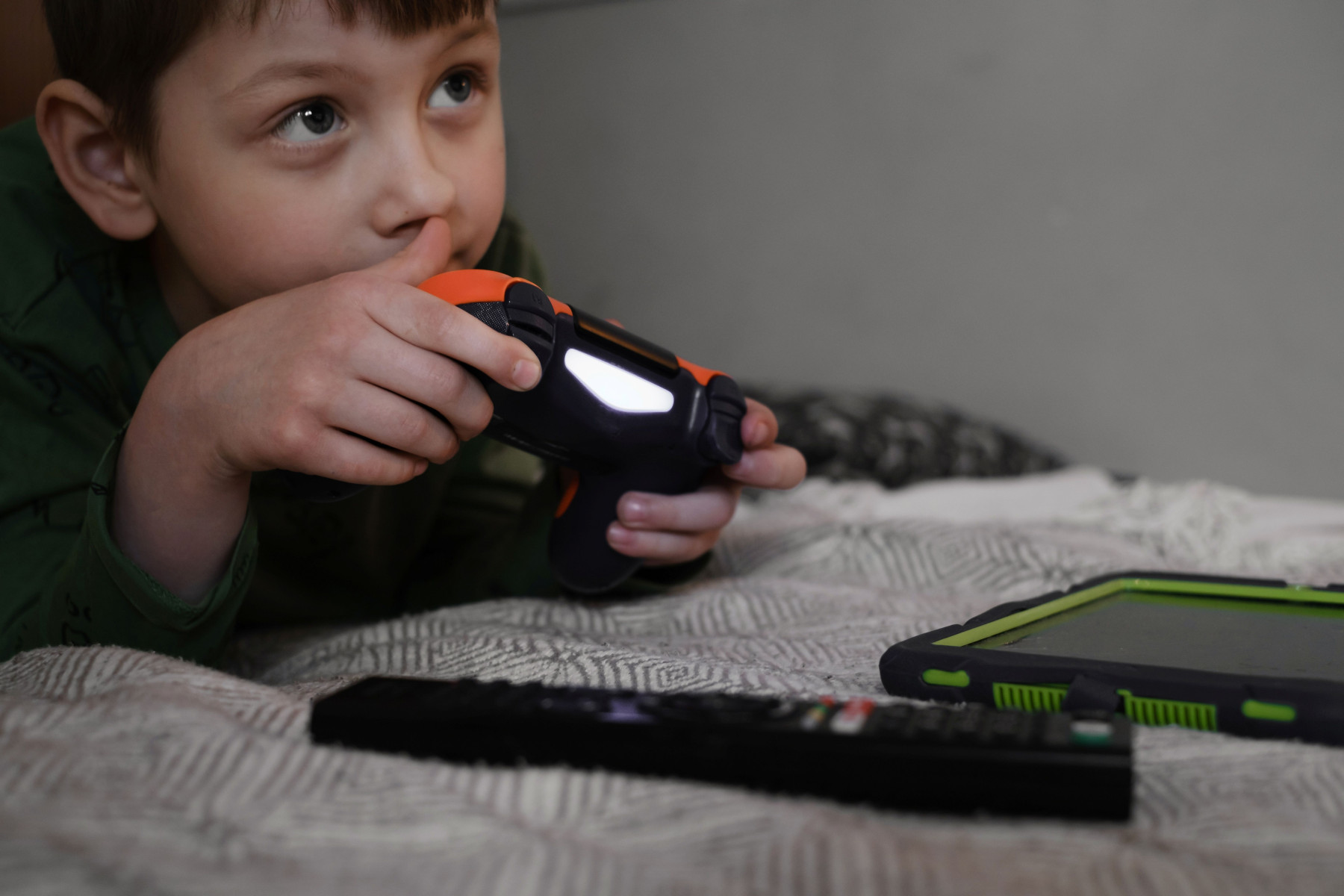
It’s no secret that some kids and teenagers get too much screen time in any given day. And that could mean health issues down the road.
According to a study published in the Journal of American Heart Association, kids and teens who spend time on screens and get less sleep have a greater risk for future heart and metabolic issues like high blood sugar, high blood pressure and cholesterol levels.
The study came from data collected from more than 1,000 kids and teenagers from Denmark. Teenagers with excess screen time were especially at risk. Screen time included either watching TV or using electronic devices for videogaming or socialization.
Natasha Noel, MD, a pediatric cardiologist with OSF HealthCare Cardiovascular Institute, says studies like this are invaluable.
“I liked the fact that they highlighted that everyday habits could have an effect on the cardiac health of kids and teens,” she says. “I also liked that they didn't focus on weight alone, but they looked at other metabolic measures like high blood pressure, cholesterol and blood glucose.”
When kids are up late at night, obviously it can impact sleep, which regulates hormones, metabolism and blood pressure.
“When you have lack of sleep for whatever reason, and in this case, maybe late, prolonged screen times, it could increase your insulin resistance,” says Dr. Noel. “It could increase your appetite, your weight, blood pressure levels.”
Dr. Noel adds that more information is probably needed. Since the study reviewed a Danish population, Dr. Noel says the medical community would benefit from a larger and more diverse group of children for future studies. Another study could analyze what types of screens are used, the purposes for which they are used, and the long-term effects on the kids.
“Of the many things they told us was that not only more screen time, but more screen time occurring with less sleep,” she says. “That kind of had an additive effect on cardiovascular risk factors.”
More physical activity
The study indirectly illustrates the importance of kids and the need for physical activity. If they’re crashed in front of the TV watching movies or playing video games, it could be an indication they are not getting enough physical movement needed for cardiovascular health.
“Physical activity is one of the mainstays of treatment, especially when we do lifestyle management for high blood pressure and high cholesterol,” she says. But even with physical activity, that screen time and less sleep may be independent risk factors for cardiovascular health long term for kids.”
Dr. Noel emphasizes to her patients the importance of incorporating more movement into daily routines. She recommends walking or biking to school, playing outside with friends, or participating in sports or theater.
It’s a conversation Dr. Noel has with many of her patients and their parents. She stresses that she’s not against screen time. But it’s important to set some ground rules – limit the use of screens, no screens in the bedroom when it’s time for bed and keep a consistent bedtime.
“It's not about taking it out of the picture completely. It's about balance and limiting it,” she says. “Believe it or not, the habits children build today, how they eat, how they move, how they sleep and how they use technology, could affect their long-term cardiac health.”
For more information about pediatric cardiology services, visit OSF HealthCare Children’s Hospital of Illinois.