
Why aren't you taking your statins?
Key Takeaways:
- A study reveals only 35% of people eligible for statins are taking them
- Statins are a class of drugs that help lower blood cholesterol, which can reduce the risk of heart attack and stroke
- The biggest reason people are hesitant is because of the spread of misinformation about statins, especially the side effects
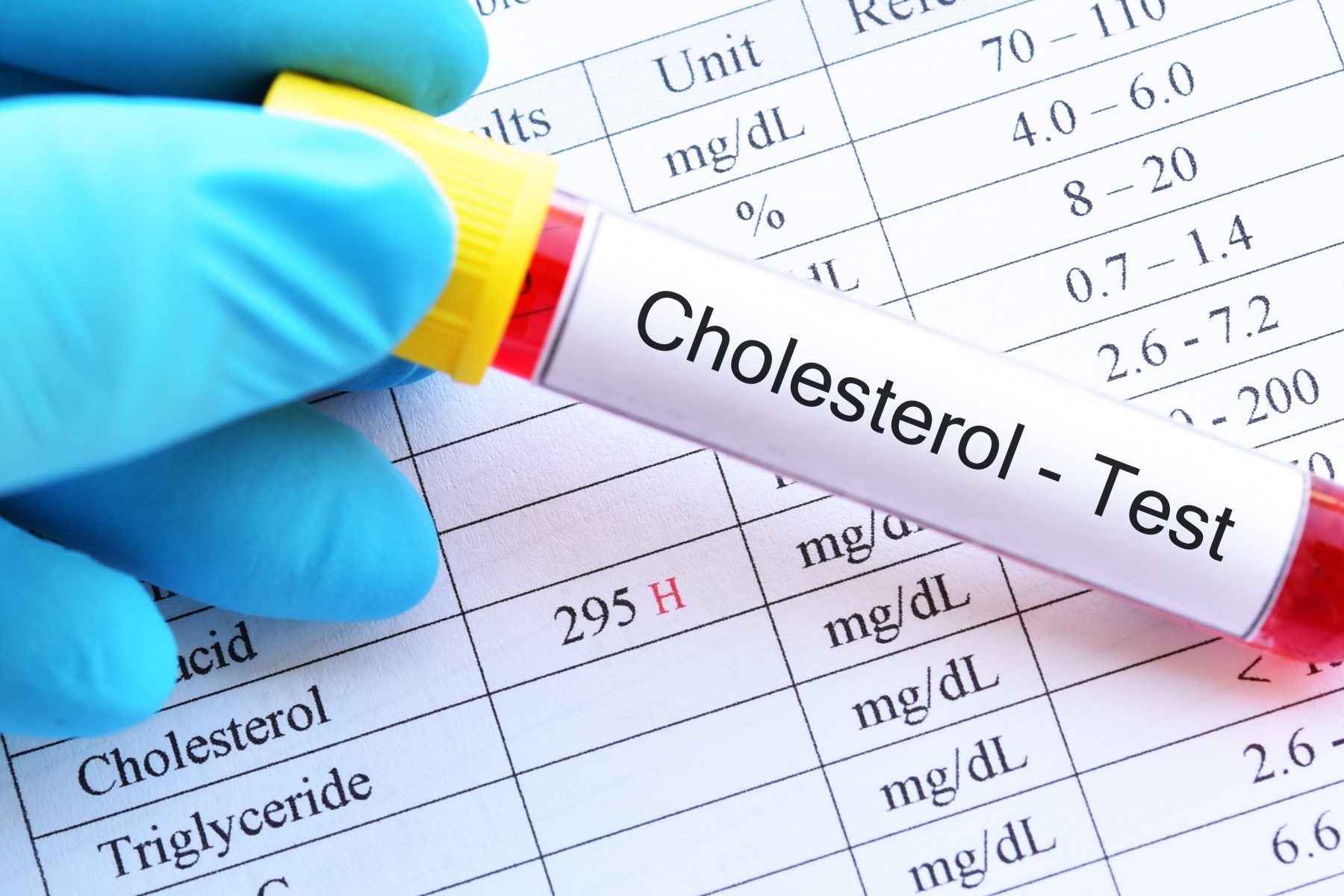
Nearly 47 million people are prescribed statins, a class of drugs that help lower blood cholesterol, which can lessen the risk of heart attack and stroke.
But not all patients are taking their statins as prescribed. According to a study led by researchers at Beth Israel Deaconess Medical Center and the University of Pittsburgh, only 35% of people eligible for statins are taking them.
This doesn’t come as a surprise to Nancy Dagefoerde, APRN, a nurse practitioner at OSF HealthCare Cardiovascular Institute. She says people are hesitant because of misinformation about statins, particularly the side effects. This comes from the internet and/or family and friends and can feed already existing fears.
“People worry about muscle pain. That's a common side effect,” she says. “They think it's going to do something to their liver or their kidneys. It's going to cause diabetes; it's going to cause dementia. There's a lot of misconceptions out there and reading that (wrong) information scares people and then they choose not to take the medication and they don't look at the benefits.”
While the chance of developing serious side effects is low, Dagefoerde says there are other options for patients if they do develop muscle pain, including adjusting the dosage or trying another statin. The muscle pain, however, could be coming from another health issue, such as arthritis or a thyroid problem. That’s why it’s important to communicate with your care team.
Statins are typically recommended for people with elevated levels of LDL cholesterol; individuals with known cardiovascular disease, including heart attacks, strokes, or peripheral artery disease, and people with a high risk of cardiovascular diseases. Statins work by blocking the production of cholesterol as it is pulled from the bloodstream preventing damage to organs and blood vessels. Dagefoerde says that 80% of our cholesterol is manufactured in the liver and that is determined by our genetics.
But medication can have a dramatic, positive effect. “By lowering your cholesterol, the patient gets the benefit of reducing their heart attack and stroke risk or any blood vessel risk,” she says. “We could lower their heart attack and stroke risk in some cases up to 50%.”
Statins are important because in many cases dieting and exercise alone don’t lower our cholesterol numbers. “Oftentimes, it’s not going to budge with just diet and exercise so we have to figure out an adequate treatment plan for you,” says Dagefoerde. Still, most medical experts recommend 150 minutes of moderate exercise each week, the same amount of exercise for people who do not take statins.
In some cases, adults who are considered healthy can also benefit from taking statins as an added measure against future cardiovascular episodes. Some patients only take statins a few days a week to get protection for their blood vessels against heart attacks and strokes.
Dagefoerde says the bottom line when it comes to cholesterol issues is to have a frank discussion with your medical providers. Come to your appointment prepared with plenty of questions and ask about your potential risk – even if you haven’t had any heart issues.
“If your risk is high, then we want to do more preventive cardiology,” she says. “Let’s treat the cholesterol, the blood pressure, the sugar – and get active and eat healthy. These are all components for overall health and hopefully we can prevent problems down the line.”