
Back-to-school health issues and how to avoid them
Key takeaways:
- Illnesses can spread easily in the classroom. Teach kids good hygiene, including not coughing or sneezing into the open air, and good nutrition.
- Kids should get into a sleep routine before the school year starts. If a child is losing sleep over nervousness, give them a tour of their school.
- Kids with allergies and asthma can take part in school activities, but adults need to have a plan if the child needs treatment.
Summer fun has given way to the back-to-school routine. That means kids are in new spaces and around new people, raising the risk of pesky health concerns that could mean the youngster is home sick watching The Price Is Right or Bluey instead of learning.
Ameera Nauman, MD, an OSF HealthCare pediatrician, has a “keep my child healthy and happy” checklist for parents this school year.
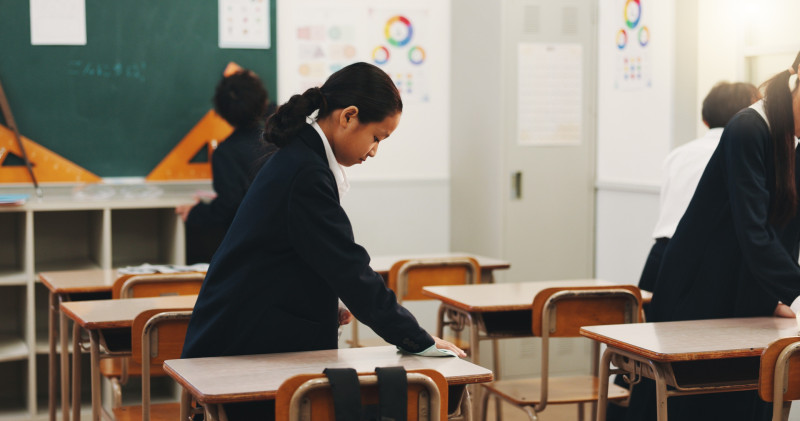
- Illnesses in the classroom: You’ve heard the saying that daycares and elementary school classrooms are a petri dish of yucky stuff. Kids are coughing, sneezing and touching things without knowing they’re spreading germs. Dr. Nauman says upper respiratory infections (colds) are common.
“Use a humidifier. Honey is a great natural cough suppressant. You can do steamy baths,” Dr. Nauman says, outlining what parents can try. “Teach your kids the proper way to cough and blow their nose. Teach them how and when to wash their hands. They should be washing as much as possible throughout the day.
“I also think eating healthy and maintaining good nutrition is key,” she adds. “Make sure the kids get vitamins with their daily intake of food and drink.”
Pink eye is also common in schools. It’s inflammation of the membrane that lines the inside of the eyelids and covers the eye.
“Most pink eye is caused by a virus. But sometimes if we think there’s a bacterial cause, we’ll treat with an antibiotic eyedrop,” Dr. Nauman says. “Pink eye is very contagious. If one person in the house gets it, it can be a domino effect because kids are all over each other. Prevention involves really good handwashing. And if you have a young infant or a child that has complex medical issues, keep them distant from others.”
And, teach kids to cough and sneeze into their sleeve, and they should not touch grimy surfaces then touch their face.

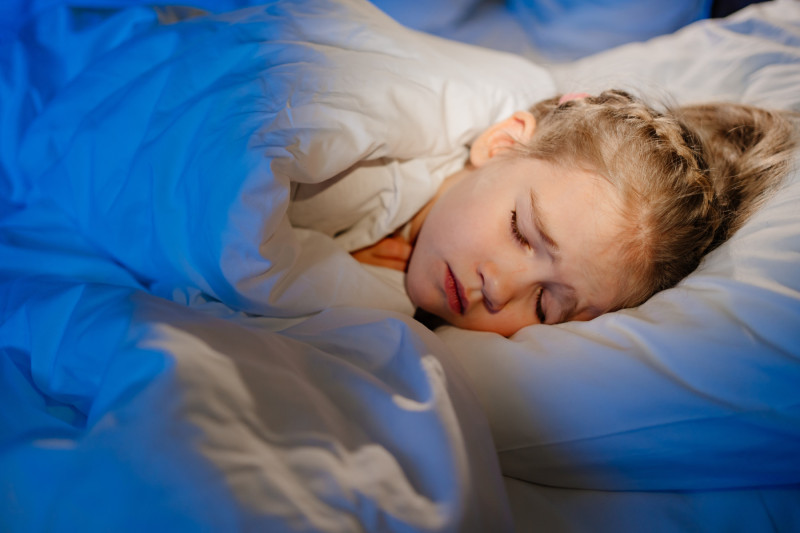
- Sleep disruptions and anxiety about school: Kids tend to stay up late during the summer. Maybe they’re snacking on sugar-filled foods with their heads buried in devices. Start the back-to-school sleep routine if you haven’t already, Dr. Nauman says. As part of this routine, have the kids go to bed and wake up at the same time. Dr. Nauman says elementary school-aged kids need 10 to 11 hours of sleep. Older kids should get 9 to 11 hours. Teenagers can sleep for 8 to 9 hours.
“Everyone lacks sleep to some degree. But with kids, we don’t realize how much good sleep can affect their ability to learn, emotionally regulate themselves and carry themselves,” Dr. Nauman points out. “Sleep also makes sure that immune system gets some rest and is able to help the kid’s body stay healthy.
“If you have, for example, a nervous Kindergartener, drive by the school the week before classes start,” Dr. Nauman adds. “Say ‘OK, this is the time we’ll be dropping you off here. It’s going to be part of your routine.’ Give them a fun treat that day. Make it a memory that’s positive for them so that when the time comes to go to school, they’re ready.”
Some schools hold “meet the teacher” nights prior to the school year to introduce everyone to each other. Take advantage of those, Dr. Nauman stresses. Be excited for and proud of your kids.
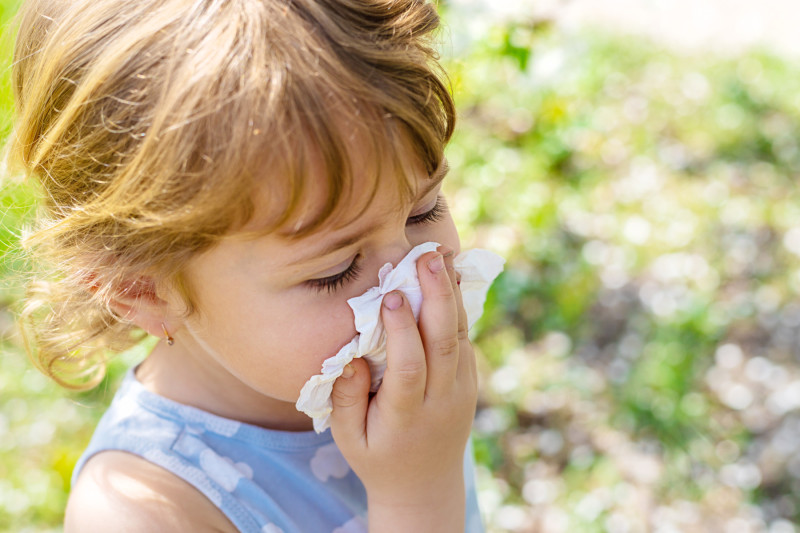
- Allergies: Ragweed is a big one seen in the fall, Dr. Nauman says. Symptoms include runny nose, sneezing, cough and itchy eyes.
“If you know your kids get allergies in August or September, start the allergy medication two weeks before. Before the symptoms are super bad, help your body get ready for them,” Dr. Nauman suggests. Also, know the child’s allergy triggers, and avoid them.
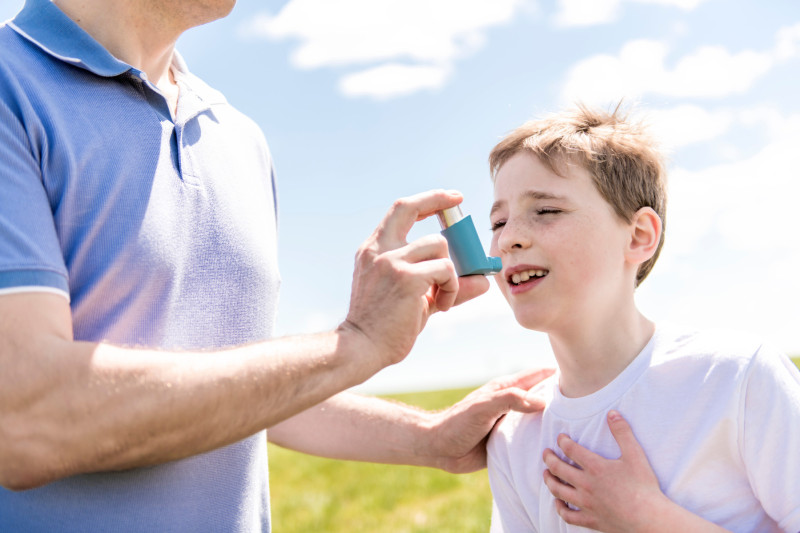
- Asthma: School means kids are back in sports and activities. They’re running around and exerting themselves, leading to shortness of breath or even an asthma attack. Dr. Nauman says parents should work with their kid’s pediatrician to craft a written asthma action plan. Teachers and coaches should get a copy of the plan.
“Fifteen minutes before recess, gym class or practice, they need to use their inhaler,” Dr. Nauman says, giving an example of what could be in the action plan. “That’s one of the main ways we can try to prevent these asthma attacks from happening and interfering with kids’ lives.”
Learn more
Read more about keeping kids healthy on the OSF HealthCare website. Pediatric care at OSF includes local clinics like the one Dr. Nauman works at and OSF HealthCare Children’s Hospital of Illinois in Peoria.