
Common holiday ED visits and how to avoid them (part one)
Key takeaways:
- When hanging holiday decorations, work with someone, and use equipment as intended. When walking on ice, be like a penguin.
- Wear gloves or mitts when cooking around hot surfaces.
- Keep an eye on kids playing with toys that can be choking hazards. Know the Heimlich maneuver. If a child swallows a battery, get them to the emergency department.
Author's note: this is part one of a two part story about holiday emergency department visits. Check the OSF Newsroom soon for part two.
Fall and winter bring festive gatherings. But that also means activities you don’t usually do, like hanging lights, cooking around open flames and even indulging in risky substances.
Fred Burke, MD, an emergency medicine physician who sees patients at OSF HealthCare, outlines some of the common emergency department (ED) visits he sees this time of year.
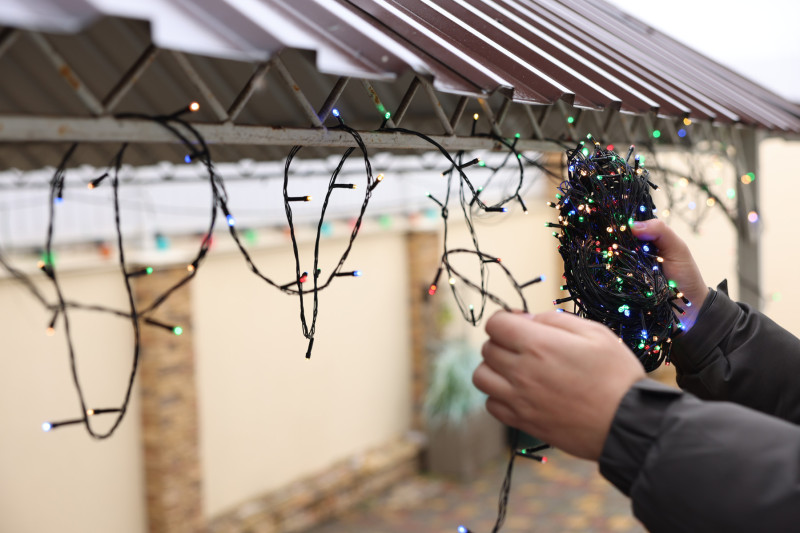
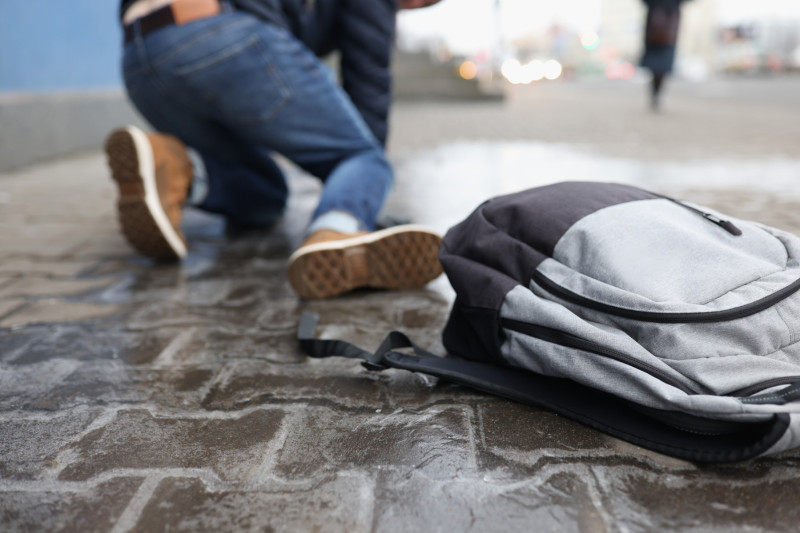
- Orthopedic injuries: Whether it’s hanging decorations, walking on ice or a backyard football game, falls can happen, leading to sprains, broken bones and head trauma.
“When people fall, they typically put out their arm [to break their fall]. They may break their wrist or forearm,” Dr. Burke adds.
Those ED patients would get imaging (an X-ray or CAT scan) and pain medicine. Minor fractures could be stabilized with a splint, while broken bones could require surgery. People with ankle sprains can follow the RICE method – rest, ice, compression and elevation.
Dr. Burke advises people to take cautions when hanging holiday decorations. Use the buddy system, and use the equipment as intended. That means staying off the top step of a ladder. Take it easy during backyard games. It’s just for fun, after all. And when walking on ice, be like a penguin.
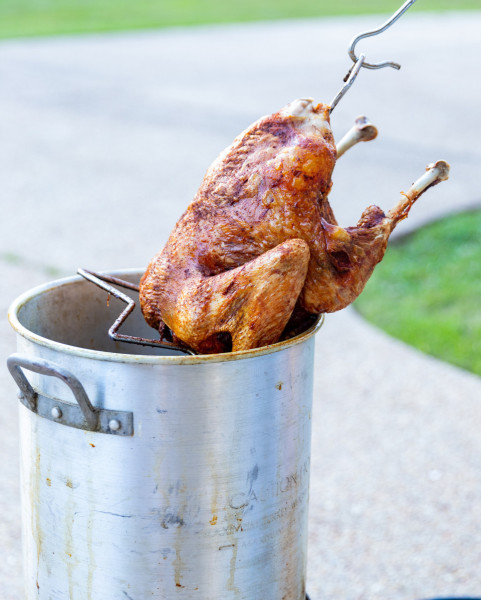
- Burns: Deep fryers are common when cooking holiday turkeys and other morsels. One misstep can mean a burn.
Dr. Burke says in the ED, he typically sees first-degree (redness akin to a sunburn) and second-degree burns (redness plus blisters). Rarely, he’ll see third degree burns that are deep and destroy tissue and nerves.
“Typically we’ll treat those first-degree burns with pain medicine like Tylenol or Ibuprofen. We’ll wrap the burn,” Dr. Burke explains. “For second-degree burns, we’ll basically do the same thing. The only thing that’s concerning is when the second-degree burns are very extensive, like when they’re covering a large portion of the hand. Those burns have a higher rate of infection, so we usually consult a burn center.” Antibiotic medication would also be used to treat an infection.
Dr. Burke’s number one tip to avoid holiday burns: always wear gloves or mitts when cooking around hot surfaces.
- Choking and swallowing: Holiday meals bring a choking risk, but so do small parts in kid’s toys. In fact, Dr. Burke says most ED patients he sees who have choked or swallowed something are ages 6 months to 5 years. Balloons and small batteries are often the culprits.
“Those batteries can be very dangerous. They can cause erosion to the stomach or the esophagus,” Dr. Burke warns. “We’d call a gastroenterologist to remove the object surgically.”
“So just make sure the holiday toys are age appropriate, and keep an eye on kids at all times,” Dr. Burke advises. And know how to do the Heimlich maneuver. It’s different depending on age and whether you’re alone.
Photos


Interview clips
Related stories
For major health issues, choose an ambulance
What to expect when you call an ambulance
Excessive drinking is a slippery slope
Eat deliberately this holiday season
Managing holiday meals and diabetes
Chewing, breathing, clicking - when does it end?
Talk to your kids about huffing
A warning about water beads