
FDA-approval for sleep apnea drug could let some ditch their CPAP machines
Key Takeaways:
- The FDA recently approved Zepbound (tirzepatide) as the first prescription drug to treat moderate to severe obstructive sleep apnea (OSA) in adults who are obese
- Dr. Sarah Zallek of OSF calls the development significant but stresses a healthy diet and exercise will be needed to maintain weight loss that contributes to OSA
- People considering Zepbound should talk to their medical provider about side effects and weigh those with the benefits
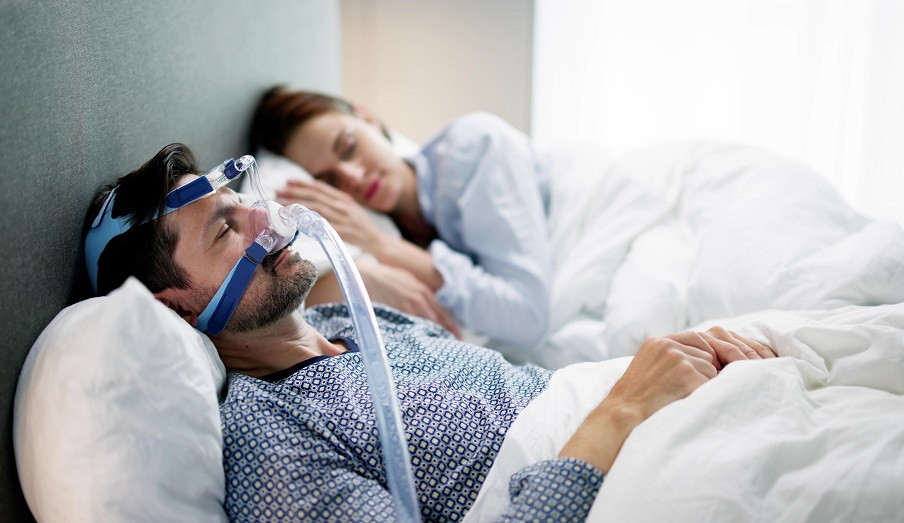
For those who don’t enjoy sleeping with what looks like the equivalent of a MiG fighter pilot mask, there’s possible relief with new medication approved to treat sleep apnea.
Sleep apnea is a disorder in which the airway either closes off completely or becomes so narrowed that breathing repeatedly stops and starts during sleep, often causing brief awakenings that disrupt restful sleep. A common treatment includes wearing a CPAP, or continuous positive airway pressure, mask to deliver air pressure into the airways to keep them open.
But now there’s a new option. The FDA recently approved tirzepatide (Zepbound) for adults with obesity and moderate-to-severe obstructive sleep apnea (OSA). The drug is typically prescribed for type 2 diabetes and is among the class of drugs known as GLP-1 receptor agonists, meaning they work on hormones that control appetite and insulin levels and can help promote weight loss.
Sarah Zallek, MD, a neurologist and vice president and chief medical officer for OSF HealthCare St. Joseph Medical Center in Bloomington, Illinois, is also medical director of OSF Sleep in Peoria. Dr. Zallek calls the approval of Zepbound for treatment of sleep apnea a significant and important development. She points out there have been few new developments for the treatment of OSA, and this is the first medication.
Could this let some people ditch their CPAP machines? Dr. Zallek says if their sleep apnea is caused by obesity, potentially yes.
“So, if you’re wearing CPAP and you have weight-related sleep apnea, weight loss is a great idea. The approval of Zepbound (tirzepatide) is a new avenue for us to look for treating overweight or obesity and to treat sleep apnea.”
Dr. Zallek says for some people with weight-related apnea, losing about 10% or more of overall body weight can significantly reduce or eliminate the sleeping disorder. However, she warns that with GLP-1 agonists, it’s important to maintain a healthy diet and exercise because the medication carries significant risk of muscle loss.
“It's really important for people who are using GLP-1s to maintain adequate nutritional intake, particularly with high quality protein, and maintain exercise, so that they get muscle resistance exercise and build and maintain muscle.”
Treatment of sleep apnea with CPAP is still the gold standard. Dr. Zallek says if switching to Zepbound to address sleep apnea, a doctor should continue to monitor weight loss and then test again to see if a person’s airway has opened up.
“Keep using that treatment until you successfully lose weight and get rid of the sleep apnea. It's not time to stop the CPAP and switch to Zepbound, for example. To treat sleep apnea, it's time to continue what you're doing, approach weight loss and then see if the sleep apnea has resolved.”
Studies have shown that people who have lost weight with GLP-1 drugs, tend to regain the weight once they quit taking the medication. This is because GLP-1s mimic natural hormones that regulate blood sugar, slow digestion, and make you feel full. So, Dr. Zallek stresses the need for lifestyle changes regardless of the approach to treating sleep apnea.
Dr. Zallek is board certified in Lifestyle Medicine, which means she incorporates therapeutic lifestyle interventions to treat and reverse chronic conditions. That includes a whole-food, plant-predominant eating pattern, physical activity, restorative sleep, stress management, avoidance of risky substances and positive social connections.
It’s possible other GLP-1 drug makers for Wegovy, Ozempic or Mounjaro will seek similar approval for use as treatment of sleep apnea. But, Dr. Zallek says people also need to talk with their provider and weigh the side effects with the benefits. Some of the side effects of the GLP1s include nausea, vomiting, diarrhea, delayed gastric emptying, low blood sugar, fatigue, and more serious complications such as gallstone disease, and pancreatitis.
As they say in the ads, “Ask your doctor if it's right for you."