
Hypertension control lags under new blood pressure guidelines
OSF cardiologist responds to results of new study during American Heart Month
Key Takeaways:
- New, stricter guidelines mean more Americans now qualify as having hypertension.
- Many people aren’t on medication, even though treatment can significantly lower risk.
- OSF Cardiologist Jason Trager suggests people with a family history of heart disease check their blood pressure once a week.
Despite years of public health efforts, most U.S. adults with high blood pressure are still not meeting current treatment targets, a gap that new national data continue to highlight.
Jason Trager, DO, a cardiologist with OSF HealthCare in Bloomington says the findings underscore why recent hypertension guideline changes were necessary and why controlling blood pressure remains one of the most effective ways to prevent serious cardiovascular events.
Under updated guidelines, the long-standing 140/90 mm Hg is now considered stage 2 hypertension, and a blood pressure of 130/80 mm Hg is considered stage 1.
“Which is a fairly low goal yet, when you compare 130/80 to the 140/90 and you treat these people, it resulted in about 15% risk reduction in all-cause mortality. So again, there’s good data to back it up.”
Dr. Trager says lowering the threshold for diagnosis of high blood pressure can make a difference in preventing heart attacks and strokes. However, in the National Health and Nutrition Examination Survey (NHANES) 2021-2023 data, 79.1% of adults with hypertension did not have their blood pressure within the 130 mm Hg systolic and 80 mm Hg diastolic threshold recommended by guidelines.
Trager said the reasons are complex and often overlapping.
“Well, it’s a little bit difficult to tell,” according to Dr. Trager. “And sometimes it could be access to the care where the patients aren’t getting in to see their primary care docs and doing the primary care prevention type of stuff. Sometimes it could be related to the cost of the medications that are required, or some people just have high blood pressure, but they don’t know it.”
Lifestyle changes can make a big difference
He adds that lifestyle factors also play a major role in whether patients achieve control.
Smoking cessation, he emphasizes, could have the single greatest impact.
“Quitting smoking decreases your risk of having heart attack and strokes by 50%. I mean, it’s almost better than any medication that I can give you, it’s just, it’s just not to smoke.” Dr. Trager adds, “The other thing we see a lot is sleep apnea and treatment of the sleep apnea – that can really reduce someone’s blood pressure significantly too.”
For many patients with stage 1 hypertension, medication is not the first step. Instead, Trager believes in introducing lifestyle changes that can significantly reduce blood pressure.
“If someone decreases their salt intake, and there’s this DASH diet, we can see about a 10-point blood pressure reduction,” Dr. Trager says. “If someone starts exercising, we all see about a five-point reduction in blood pressure. If someone ends up losing, you know, just 10 pounds, you would also see about a five-to-10-point blood pressure reduction.”
Even among patients taking medication, control remains elusive. Trager point out that half of people with high blood pressure are unaware they have it, and even among those treated, only about half reach current targets.
Check blood pressure regularly
“With these newer guidelines, about one in five people will be controlled,” he says. “So, in other words, come in, bring in your blood pressure cuff, see your primary (care provider), or see your cardiologist, because you will probably need to do some tweaking of the medications now.”
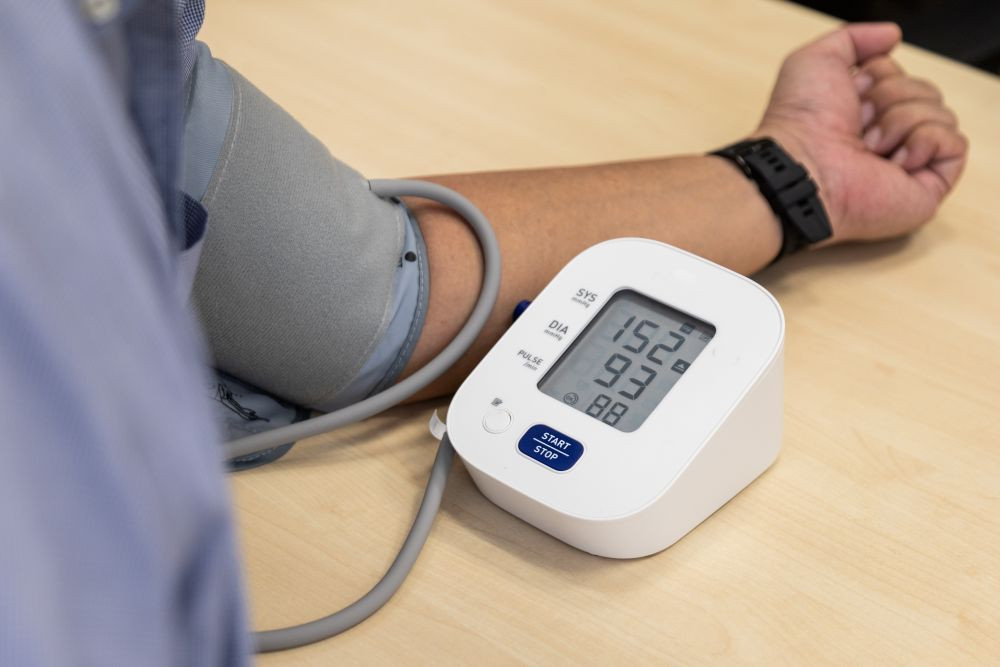
Trager recommends taking a blood pressure reading once a week at home. And he stresses the importance of accurate blood pressure measurement, including proper cuff placement and body positioning. He suggests avoiding wrist cuts because he says they can be notoriously inaccurate. Also, make sure you are placing the cuff high enough on the arm – about where your heart is and ensure you don’t have arms or legs crossed and you’re in a relaxed state.
Because hypertension often causes no symptoms, regular monitoring is key. For patients with a history of cardiac disease, he says it’s really important to treat anyone close to the 130/80 range. Hypertension is often referred to as the “silent killer” because someone might not have any symptoms until it’s too late.
With a family history of cardiac disease, he also recommends getting a calcium score test or coronary artery calcium scan which is a non-invasive CT scan that detects calcium-containing plaque in the coronary arteries. It measures the risk of heart disease or future heart attacks. It takes 10–15 minutes, involves low radiation.
Here is more information about getting that test.