
Limiting Listeria: Stay Informed
Key takeaways:
- Stay informed to the CDC and USDA for recalls happening
- Approximately 10 million pounds of BrucePac deli meat were recalled due to listeria concerns
- Staying informed helps people audit the food they have
- Listeria is a disease-causing bacteria
Story update, BrucePac recalls:
Nearly 10 million pounds of ready-to-eat meat and poultry products made by BrucePac have been recalled, according to the U.S. Department of Agriculture.
The recall, with impacts nationwide, are due to concern the meat and poultry products are contaminated with listeria.
"The ready-to-eat meat and poultry items were produced from June 19, 2024, to October 8, 2024. These products were shipped to other establishments and distributors nationwide then distributed to restaurants and institutions. Information regarding product labels and the list of products will be provided when available," the USDA wrote in a release. "The products subject to recall bear establishment numbers "51205 or P-51205" inside or under the USDA mark of inspection."
Original story, Boar's Head recall:
Approximately 7 million pounds of deli meat sold by Boar’s Head Provisions Co., one of the most well-known deli meat brands in America, have been recalled due to a listeria outbreak.
The outbreak has reached 13 states, including Illinois, and has resulted in the hospitalization of over 30 people. Two people have died after being infected.
The recall of ready-to-eat liverwurst includes 71 products under the Boar’s Head and Old Country brand names, distributed across the United States and to Mexico, Panama, the Dominican Republican and the Cayman Islands, according to the United States Department of Agriculture’s Food Safety and Inspection Service (USDA-FSIS).
Stay informed
Doug Kasper, MD, is an infectious disease specialist with OSF HealthCare. He says listeria outbreaks are nothing new, and recalls aren’t meant to scare people. He says you don’t have to completely change your diet or stop eating certain foods because of a recall, rather just stay informed with recalls from the Centers for Disease Control and Prevention (CDC) or USDA.
“These recalls help you audit what you’ve purchased, where you’ve eaten recently, and potentially adjust, for a short amount of time, before the quality has improved,” Dr. Kasper says.
Dr. Kasper says during a recall, the CDC and USDA perform tests on the food while notifying manufacturers and consumers.
What is listeria?
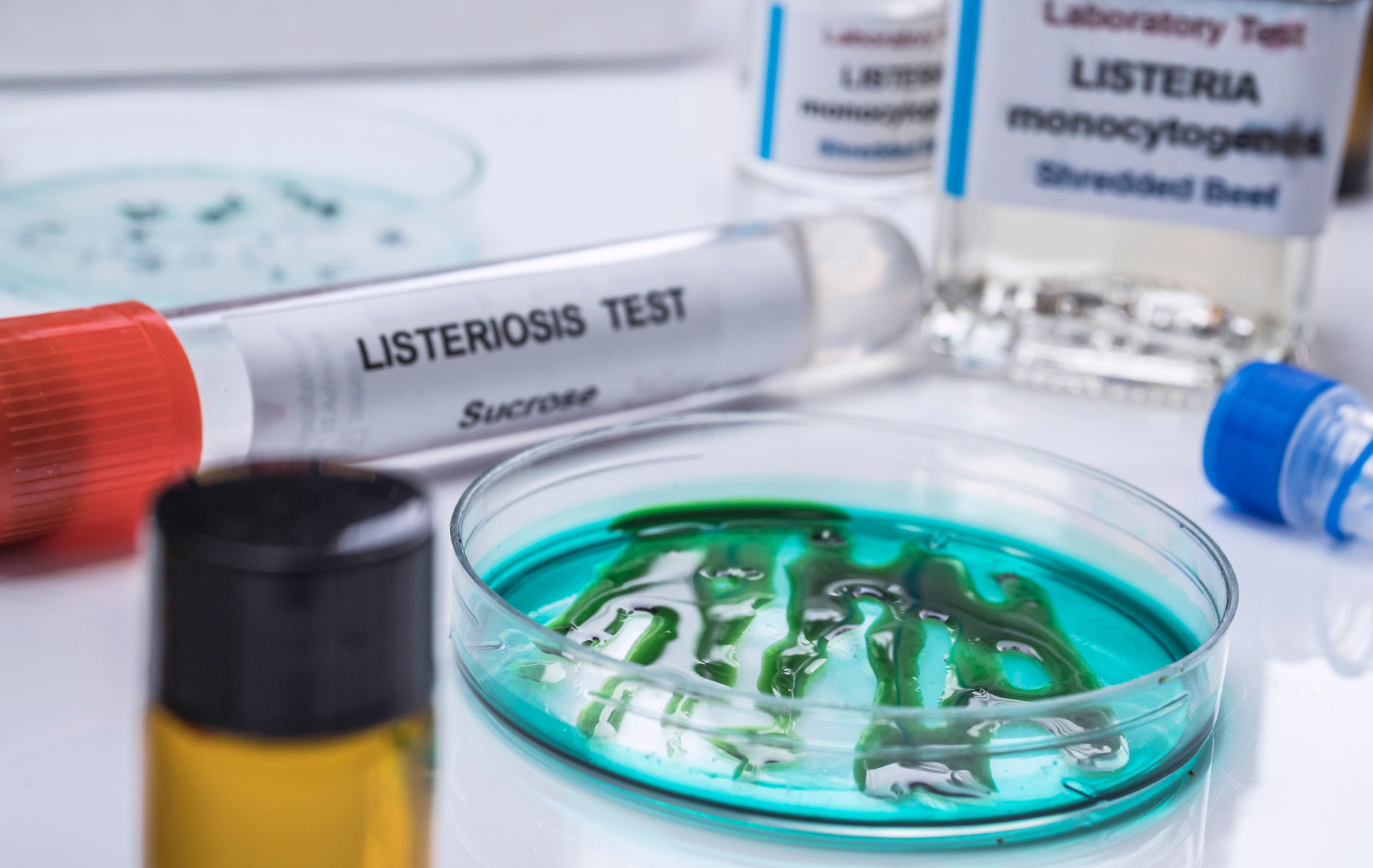
Listeria monocytogenes (L. monocytogenes) is a series of disease-causing bacteria. When eaten, people can develop a disease called listeriosis.
“It’s a bacterium that can normally be found in the environment. It can be found as part of agriculture where food is produced and then as it’s handled, it can become contaminated,” Dr. Kasper says. “Bacteria is present throughout our world, and we have measures in place to wash food, and ensure food is handled safely. The rates of listeria are consistently monitored, audited and then retroactively checked in fields where there were higher rates detected in the past.”
Who is most at risk?
The CDC says listeriosis can be dangerous for pregnant women and their unborn babies, alongside those 65 and older or people with a weakened immune system.
“Pregnant women are frequently advised to stay away from products that could potentially be infected with listeria. These could be deli meats, unpasteurized dairy and raw milk,” Dr. Kasper says. “The risk is relatively higher. Some other patients on chemotherapy or those with other significant conditions may choose to stay away from those products.”
What do symptoms look like?
The USDA says listeriosis symptoms are very similar to flu-like symptoms. It can cause fever, muscle aches, stiff neck, confusion, loss of balance or convulsions. It can also give a person gastrointestinal (GI) symptoms like upset stomach or diarrhea.
Unlike viruses, listeria cannot be passed from person to person. It can only infect a person when they consume a decent portion of the infected product.
“These are not transmissible by touch or sharing common dining utensils,” Dr. Kasper says. “It’s based off of the product you were exposed to.”
What to do if you’re feeling sick
If you’re feeling sick and it may have been from a food product you’ve eaten recently, Dr. Kasper recommends seeking medical attention immediately, whether it’s your primary care provider or an OSF OnCall Urgent Care or OSF PromptCare.
“If a person develops a fever or sustained illness that lasts more than a day, then it becomes in their best interest to notify their medical provider,” Dr. Kasper says. “For most people that are exposed, the risk is very minimal. It’s unlikely to have a severe outcome, unless the food is repetitively eaten or if the person has an underlying issue.”
In addition to avoiding recalled deli meats entirely and contacting your medical provider, the CDC says to clean your refrigerator and containers and surfaces that may have touched any recalled sliced deli meats. Businesses affected by the recall are advised to thoroughly clean and sanitize all non-food surfaces and throw away any open meats and cheeses in the deli. Taking this a step further, the USDA-FSIS recommends delis to not use any opened deli products because recalled products can cross-contaminate other deli products.