
Never too late to build muscle mass
Key Takeaways:
- People start to see a decline in muscle mass as early as mid-30s.
- Reasons range from chronic diseases to less activity as we age.
- Loss of muscle can result in balance, strength and coordination issues.
- Diet and exercise, including aerobic and resistance training, can help build muscle.
It’s no secret that our muscles weaken as we get older.
According to Faheem Ahmad, MD, a family practice physician with OSF HealthCare, who completed a fellowship in sports medicine, we start to see a decline in muscle mass in our mid-40s, but it can happen as early as our 30s.
“Studies have shown that when you get into your 70s, that's when we calculate your muscle mass compared to when you were in your 30s, you have lost about 50% of your skeletal muscle mass,” says Dr. Ahmad.
There are several reasons.
Inflammation increases, which can contribute to muscle loss. People tend to gain more fatty tissue than muscle mass. Another factor could be a lack of protein and vitamin D. Chronic diseases also affect health and strength. Finally, many people tend to become less active as they age and that’s when muscles lose their strength and mass.
“Muscle, just like any other organ system in the body, musculoskeletal system, is comprised of the skeletal muscles and the bones that function in our body,” explains Dr. Ahmad. “They keep us upright when we're standing up, give us balance, and when we lift things, the strength and the motor power, is provided by your skeletal muscles. So, it is important to maintain that strength and mass.”
Sarcopenia is a musculoskeletal disease that impacts muscle mass, strength and performance as we age. Sarcopenia mostly affects elderly and sedentary people who have issues with their musculoskeletal system that impact their physical activity.
Dr. Ahmad says when you lose muscle, you can lose balance, strength and coordination. Metabolism is also dependent on muscles to regulate blood sugar levels and maintain a healthy body weight. Early signs of sarcopenia include feeling weak, a visible loss of muscle and struggling to be physically active because of tired muscles.
“Sarcopenia is mostly age related because of modifiable and non-modifiable risk factors,” says Dr. Ahmad. “Non-modifiable risk factors happen as we age; you cannot modify that. A loss of testosterone as we age, in men particularly, that's another non modifiable risk factor. But some of the modifiable risk factors are diet and exercise. Those are the things that will lead you to have sarcopenia earlier than later in life.”
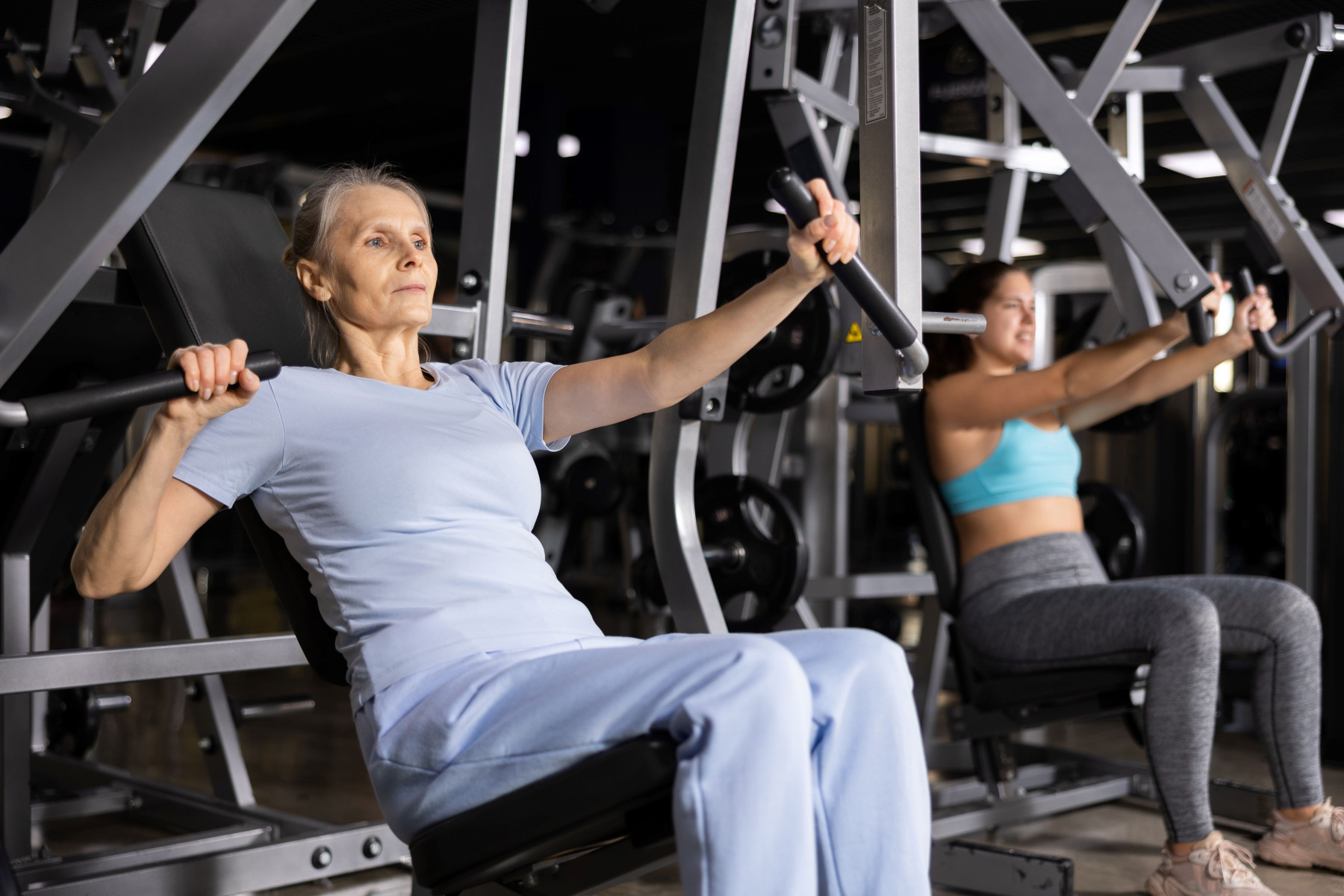
Dr. Ahmad says regardless of your age, it’s never too late to get to work on building muscle mass. That starts with exercise. He says a target goal should be 30 minutes a day of aerobic exercise like walking or swimming and resistance training (weightlifting).
Intensity is key.
“I have learned through my training that you should be exercising to the point where you cannot take a deep breath or you cannot sing while exercising,” he says. “That should be one of the ways you can gauge yourself. If you exert yourself to that point, and you do it for at least 150 minutes a week, then you're meeting the goal.”
If you need help getting started, Dr. Ahmad recommends joining a gym or hiring a trainer to teach you proper technique.
When it comes to eating, remember to include lean protein in your diet, such as poultry, fish, lean meats, eggs and dairy products. Dr. Ahmad also recommends protein shakes to replenish the protein and amino acids needed for muscle mass. And drink plenty of water, which gives your muscles nutrients.
Talk to your provider before starting any exercise program.
“We encourage you to start exercising as much as you can tolerate,” says Dr. Ahmad. “But again, it must be structured, and it has to be to the point that you're not causing damage, you're not hurting yourself. So, talk to your trainer, talk to your primary care physician, to discuss what kind of exercises you need to start with.”
For more information, visit the OSF HealthCare website.