
Not all fun and games
Overuse injuries in baseball can happen at young ages
Key takeaways:
- Elbow or shoulder pain from overuse in baseball can happen at young ages.
- Providers will treat the young athletes with physical therapy and rest. Sometimes, the child will have to sit out for up to three months.
- Young athletes should have a good training program and not work too many pitches into their toolbox.
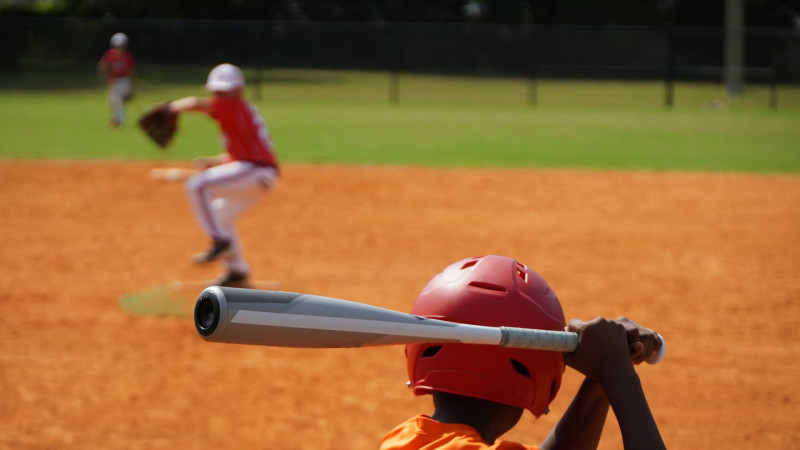
When you think of youth baseball, you think fun and games, right? More learning fundamentals and less curveballs and collisions.
But parents and coaches should be aware: injuries can happen at all levels. So much so that there are names for them.
Little leaguer’s elbow & shoulder
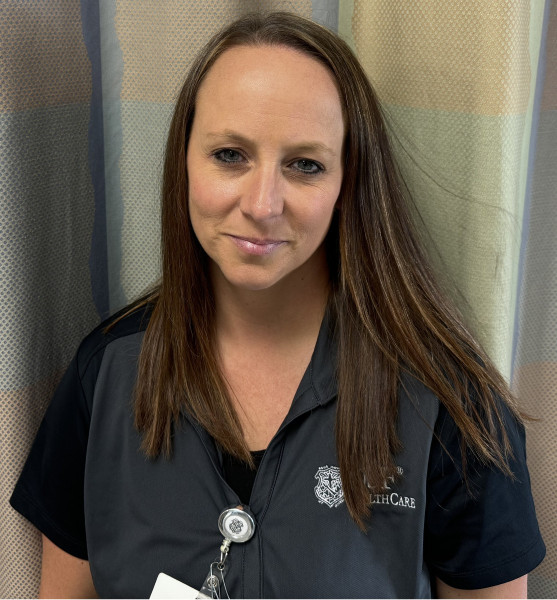
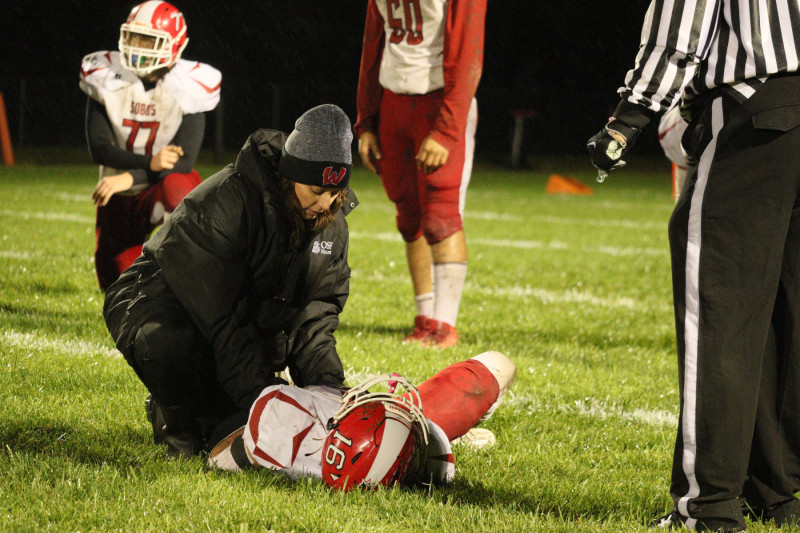
Brittany Delaney, an athletic trainer at OSF HealthCare, says repetitive overhand throwing can lead to elbow pain and tenderness, called Little Leaguer’s elbow.
“You’ll notice a decrease in speed when they’re throwing. Their pitching accuracy is not as good. So usually, kids have to be pulled out of the game because they’re in too much pain,” Delaney says.
Little leaguer’s shoulder is similar to Little Leaguer’s elbow. It’s pain and tenderness in the shoulder from overuse, whether pitching or fielding.
Both injuries are seen often in ages 11 to 16, Delaney says. She says that age group is starting to throw faster and work in more pitches, like a breaking ball, leading to more stress on the elbow and shoulder. Those ages are also playing more often, such as spring school baseball and a summer travel league.
Diagnosis and treatment
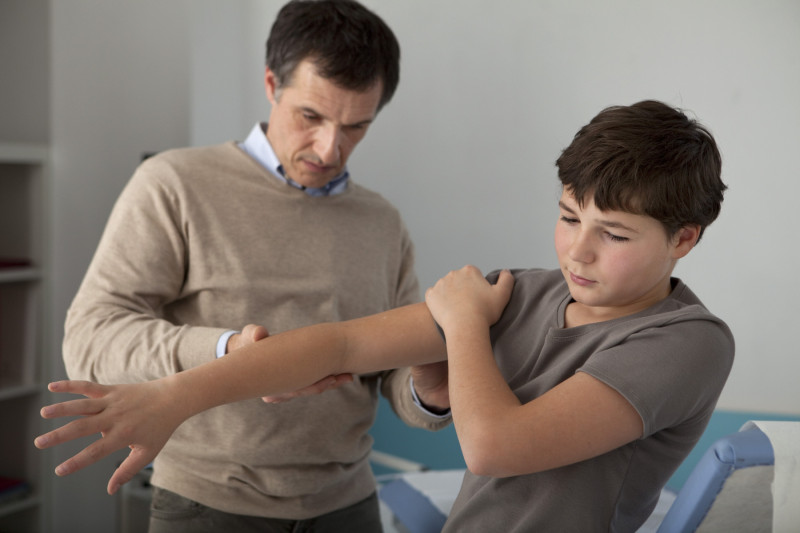
A youngster with elbow or shoulder pain might get an X-ray or CT scan so health care providers know the extent of the problem. From there, Delaney says it’s not uncommon for the child to stop overhead activity, like throwing, for up to three months to let things heal. They’ll be in physical therapy during that time.
“It could end someone’s season,” Delaney says, noting the seriousness of these injuries.
Once the athlete is cleared to return, they should gradually get back into playing shape, not rush back right away. Work with a coach or athletic trainer on a workout plan.
Prevention
Delaney works with her athletes on good throwing mechanics and building strength in your whole body.
“They understand that when they’re throwing, it’s all about speed. But they think it’s all in the shoulder. It’s not,” Delaney says. “It’s in your upper back, core and hips.”
Other tips:
- Delaney says when kids are just starting baseball, their growth plates (areas of new bone growth) are not yet solid. So, throwing extra hard or mixing up pitches can lead to injuries. At young ages, she says to concentrate on mechanics. Start with a good fastball down the middle of the zone, and learn other pitches when you’re a little older. This allows bones and muscles to mature.
- Do a proper warm up and cool down. Delaney has her baseball players jog a couple laps around the field to warm up, followed by dynamic stretching (stretching with active movements, not just touching your toes). The Throwers Ten program is one she uses to wake up the muscles.
After the game, stretch again, and ice sore body parts if needed.
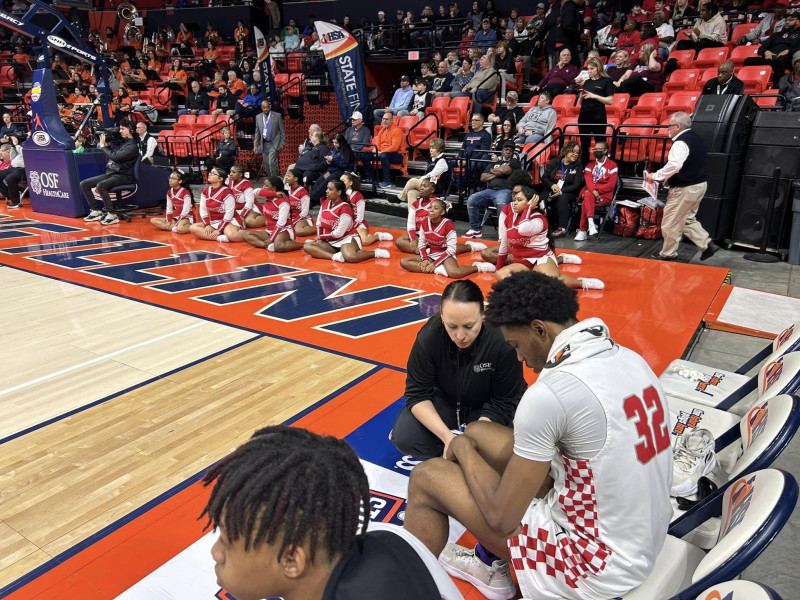
- Empower kids to speak up if they are hurt and need to head to the bench. They shouldn’t fear losing their spot in the lineup.
- Make sure your child’s league has a pitch count to avoid overuse injuries. Organizations like Little League and Major League Baseball have guidelines that local leagues can work from.
Learn more
Read more about how to keep your body in top shape on the OSF HealthCare website.