
Online pharmacies: Fact vs. fiction
Key takeaways:
- Check for red flags before doing business with an online pharmacy: Is the site based outside the US? Are you pushed to another site to complete the transaction? Does the site promise unrealistic cost savings?
- Check websites like safe.pharmacy and BeSafeRx for possible problems.
- Ingesting counterfeit medication can lead to serious side effects. If you have problems, talk to an provider in-person, and report the problem to the FDA.
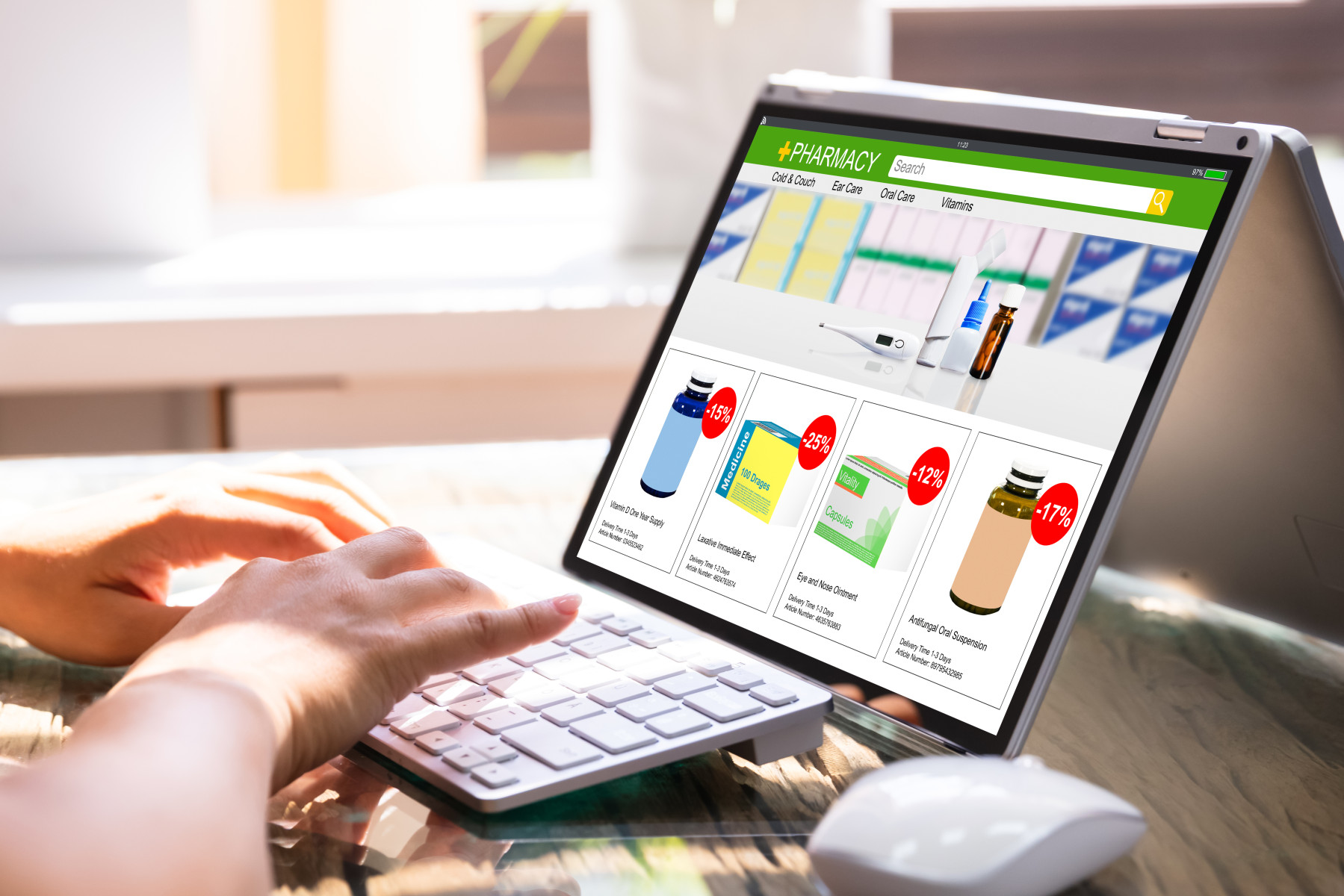
Weight loss drugs like Ozempic and Wegovy are more popular than ever, leading people to seek options that are quicker, cheaper and involve less prying questions than a traditional in-person doctor visit.
But here’s a statistic that should give you pause: Casey Zaring, RPh, PharmD, a clinical pharmacist at OSF HealthCare, says a 2023 audit by the U.S. Food and Drug Administration [FDA] found 95% of online pharmacies were not legitimate. This leads to concerns about getting bilked out of money or taking a counterfeit drug that could bring serious side effects.
“It skips a lot of checks and balances,” Zaring says of the online outlets. For one, he says, these websites typically don’t have a pharmacist check your full medical history to make sure you’re getting the right drug.
Legit or not?
Some red flags to look for when deciding to buy prescription drugs online:
- Is the website based outside the United States?
- Do you start on one website and get pushed to another to complete the transaction?
- Does the site guarantee you cost savings? Zaring says it may look like a deal up front, but the final price tag might not be so good. Or, you might unintentionally sign up for auto-renewals. Zaring recommends first checking to see if your insurance will cover a medication.
- Have other people or agencies flagged the outlet for possible problems? Zaring recommends the websites safe.pharmacy and BeSafeRx to check if the pharmacy is registered with the National Association of Boards of Pharmacies and complying with the law.
“How we know an online pharmacy is legal is they require a prescription by a licensed practitioner. You have a pharmacist review things, and the consumer has access to a pharmacist to ask questions,” Zaring explains. “Look for the outlet to be based in the United States and have a license in your state. Some online pharmacies will provide medications for patients even though they don’t have a license in the patient's state.”
Another law pharmacies have to follow is the Drug Supply Chain Security act. Zaring says this ensures all medications are logged and accounted for as they move from the manufacturer to the distributor. This makes sure all medications in the supply chain are legitimate and safe.
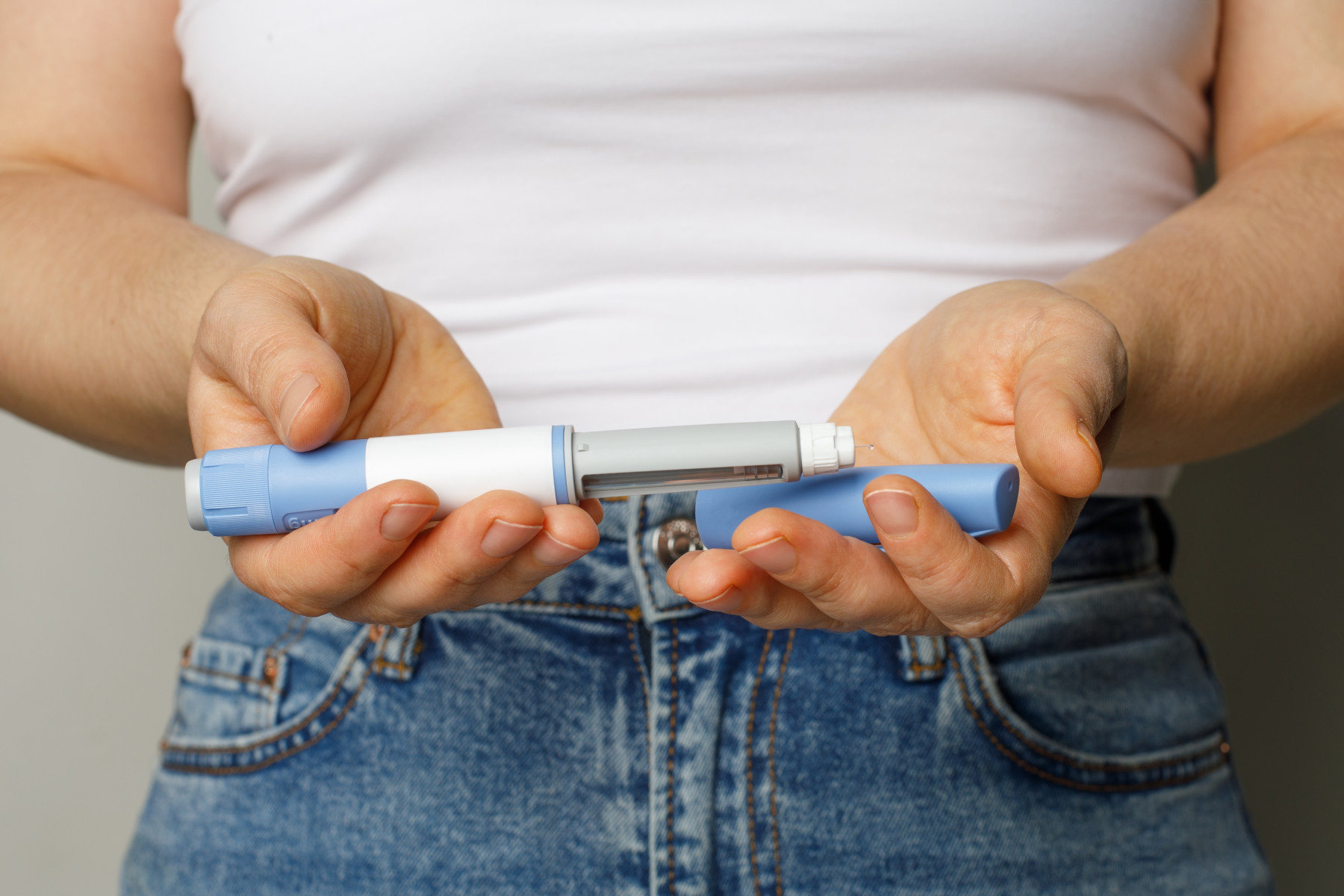
“In December 2025, the Food and Drug Administration warned about fake Ozempic,” Zaring recalls, noting what can go wrong if laws aren’t followed. “It looked almost identical to real Ozempic. It had lot numbers and expiration dates. But what they had done is created a syringe that looked similar and put on fake stickers.
“What pharmacists do then is go through and scan every medication that enters the pharmacy to ensure it’s directly from the manufacturer,” Zaring adds.
Consequences
Zaring says pharmacists’ biggest fear with these websites is someone putting something non-legitimate or harmful in their bodies. Is the syringe sterile? Has the drug expired? Is the dose correct? Is it properly diluted? Is it interacting with my other medications? Ingesting fake medications could lead to infections or other serious side effects.
Speaking on weight loss drugs: “If something is off by a decimal point, it’s a tenfold error. It can cause lack of movement in your gastrointestinal tract, obstructions and gallbladder attacks,” Zaring says. “If a person isn’t aware of the risks and talking to a pharmacist, they can upgrade their dose too quickly and cause more adverse effects like dehydration. Also with some of these online websites, there’s not continuous monitoring by a health care provider. No labs, check-ins or follow ups.
“The cost saving may be up front, but at the back end there may be an overall greater cost of having to see more health care providers because of adverse reactions or infections,” Zaring also warns.
If you’ve done business with an online pharmacy and have concerns, Zaring recommends talking to your primary care provider or a pharmacist at an in-person, well-recognized business. You can even bring the medication for them to inspect. You can also report pharmacies to the FDA at the BeSafeRx website.
Learn more
Read more about how OSF HealthCare pharmacists bring medication to you safely on the OSF HealthCare website. Some OSF HealthCare locations also have retail pharmacies that can be used regardless of whether you’re an OSF patient.