
Perimenopause: ‘You’re not alone’
Health care providers want women to know perimenopause is a normal part of aging, and symptoms are treatable
Key takeaways:
- Perimenopause is when the ovaries stop producing certain hormones regularly. It typically starts around age 40 and can be quick or last several years.
- When you have not had a period for one year, you've transitioned from perimenopause to menopause and can no longer get pregnant.
- Perimenopause symptoms include hot flashes, mood changes, joint aches, brain fog, trouble with urination, anxiety, disrupted sleep and fatigue.
- Treatment for perimenopause symptoms includes supplements and prioritizing exercise, hydration, healthy sleep and a healthy diet.
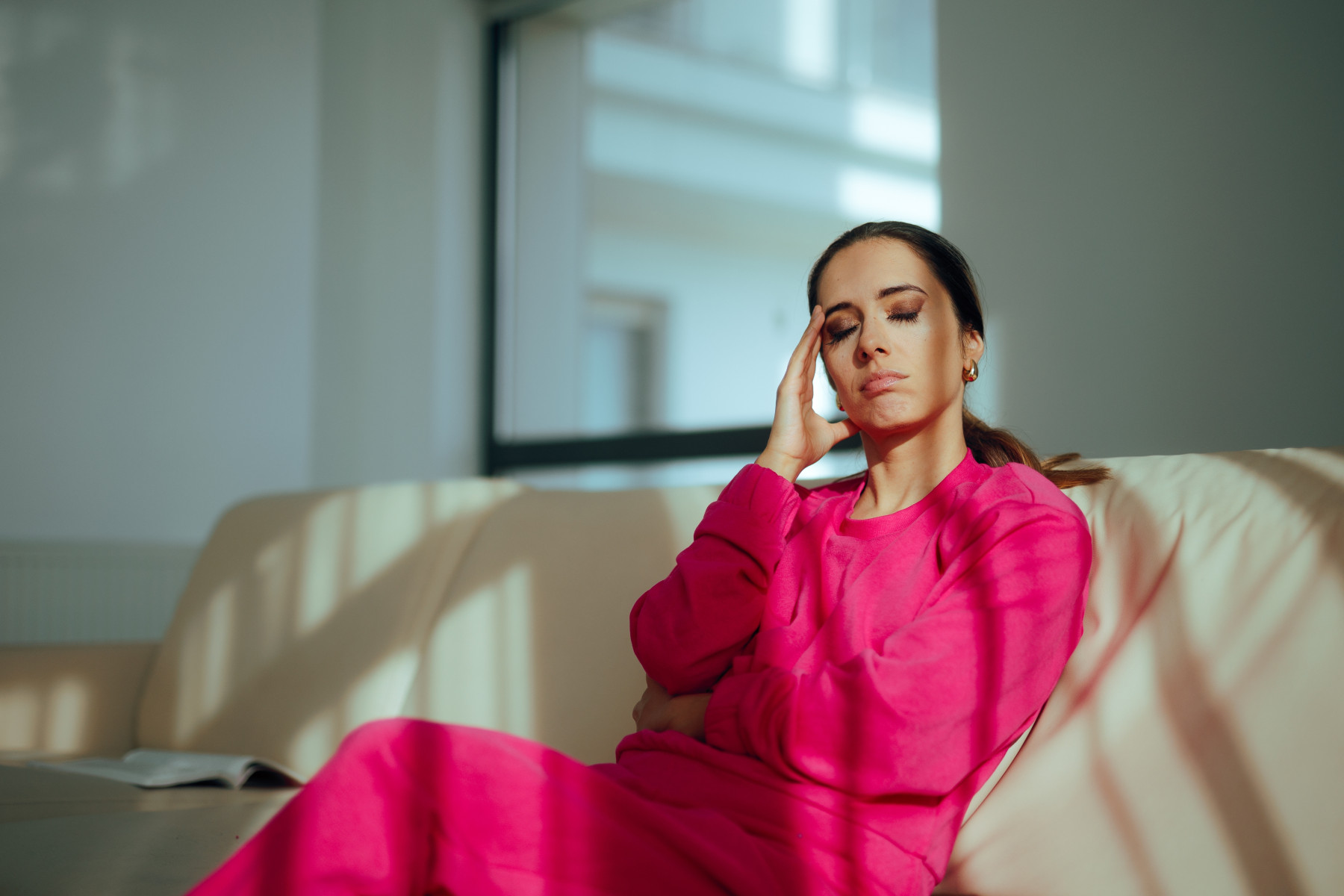
As women age, new adventures come. Some, like travel and new hobbies, can bring joy. Others can bring stress.
One of those stressors is perimenopause, the time you’re transitioning to menopause, when you permanently stop having menstrual periods and can no longer get pregnant.
“There’s a stigma around this time of life,” says Lindsay Orr, an advanced practice nurse at OSF HealthCare. “It’s not an illness. It’s just a natural part of aging.”
Perimenopause basics
Orr says during perimenopause, the ovaries stop producing testosterone, estrogen and progesterone regularly.
“Think of it as a short fuse or a fuse that’s not quite connected,” Orr describes. “Every month, the hormones secrete. But ovaries have a shelf life. So some months they work, and some months they don’t. It ebbs and flows during the perimenopause transition period before they go into menopause.”
Orr says women typically notice changes that signal perimenopause at around age 40. The perimenopause period can be over quickly, especially if you have surgery that impacts your ovaries. On the other hand, Orr has seen some women be in perimenopause for 10 years. Regardless, health professionals define the perimenopause to menopause transition as over when you have not had a period for one year.
Orr says some women can have little to no perimenopause symptoms. For others, the time can bring disruptions to many parts of your life – work, sleep, relationships and more. Sudden hot flashes, mood changes, joint aches, brain fog, trouble with urination, anxiety, disrupted sleep and fatigue are all possible.
“A lack of estrogen can affect bone density,” Orr adds. “So women with smaller frames are more predisposed to bone issues if they fall. Or, a decline in estrogen can have cardio-protective effects. It can increase your risk for cardiovascular issues like heart disease.”
Anorexia, bulimia, high stress, smoking, drinking alcohol and being a high intensity athlete can also make perimenopause come sooner and be more intense, Orr says.
Treatment – proactive and reactive
Orr says if perimenopause symptoms are impacting your quality of life, it’s time to see a provider. Providers can’t make perimenopause go away, but they can help with symptoms. First, Orr asks if her patients are prioritizing what she calls the “four pillars of health”: exercise with resistance training, hydration, a healthy diet with plenty of protein and healthy sleep.
A provider might also recommend a supplement, such as diindolylmethane (or DIM, for short). Orr calls DIM broccoli in a pill. It helps keep hormones at a healthy level. Other supplements that could help include calcium D-glucarate, evening primrose oil, black cohosh and ashwagandha.
Orr also urges women to start the conversation with their primary care provider or OB/GYN before perimenopause hits. Ask what you can do now to lessen symptoms or duration. Be honest about how your body is feeling and what medications you’re on, as new medications could negatively interact with current ones. Orr also recommends women use a smartphone app to track their periods.
“The apps help you be in tune with your body. You go through your day-to-day life and kind of recognize things, but you don’t really put it all together. Then when you put the information in the app, you might say ‘Oh yeah, I am symptomatic. This is happening.’” Orr says. “You can track temperature changes, bleeding issues, hormone fluctuations and sleep. It all plays a role.”
What about pregnancy?
Yes, women can still get pregnant during perimenopause, though it’s not as common as pregnancies in your 30s and younger, Orr says. However, in general, Orr says the higher in age, the higher risk for pregnancy complications.
“Balanced hormones help maintain a good uterine lining for housing a fetus,” Orr explains, noting perimenopause disrupts that hormone balance. “So, a later-life pregnancy would require closer monitoring.” In other words, you’d likely have more trips to the doctor to make sure your pregnancy is healthy.
The bottom line
Orr reiterates: perimenopause is a part of life. Give yourself grace, take advantage of the help that providers can give and recognize that it’s about progress, not perfection.
“Some of the women I see are frazzled, disheveled and anxious. Sometimes they’re upset during the visit. It’s sad to see,” Orr recounts. “Then we start treatment, and I see them three months later. They look like a different person. They’re glowing. They have a zest for life again. It’s rewarding to see.”
Learn more
Read more about perimenopause and menopause and women’s health overall on the OSF HealthCare website.