
A shin-termission: Navigating lower leg pain
Key takeaways:
- Shin splints bring pain, swelling, tenderness or soreness along the front part of your lower leg.
- Treatment involves icing, resting and slowly returning to competition.
- Prevention involves finding the right footwear and getting on the right workout plan. Leg compression sleeves can also help.
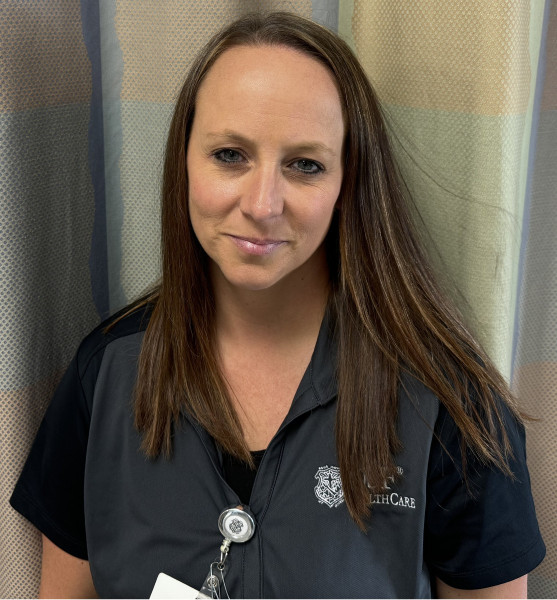
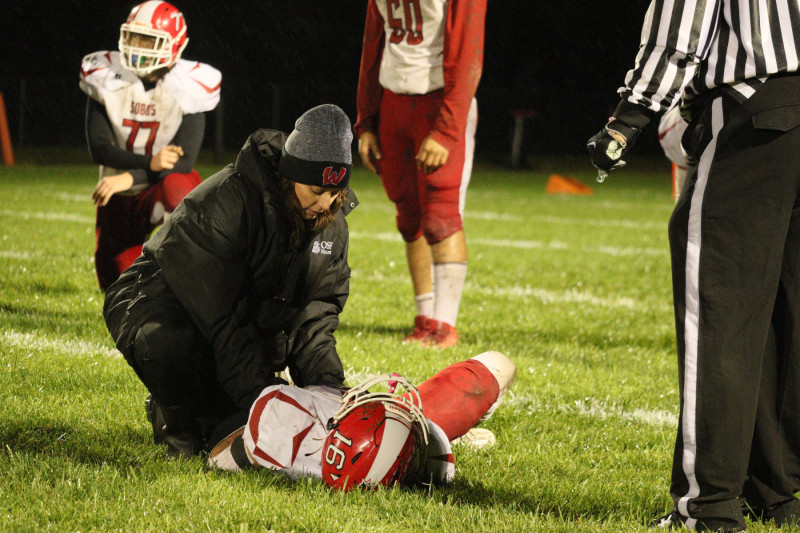
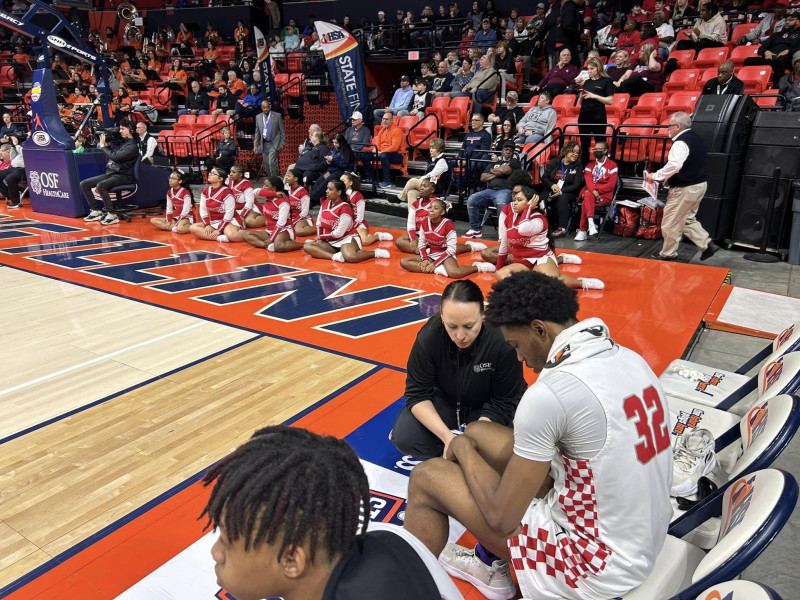
Outdoor track and field season is underway. That means Brittany Delaney gets reacquainted with the shin – the front part of the leg between the knee and the ankle. While shin splints are a common and treatable injury, Delaney, an athletic trainer at OSF HealthCare, says it’s important to not rush back to competition.
Shin splint basics
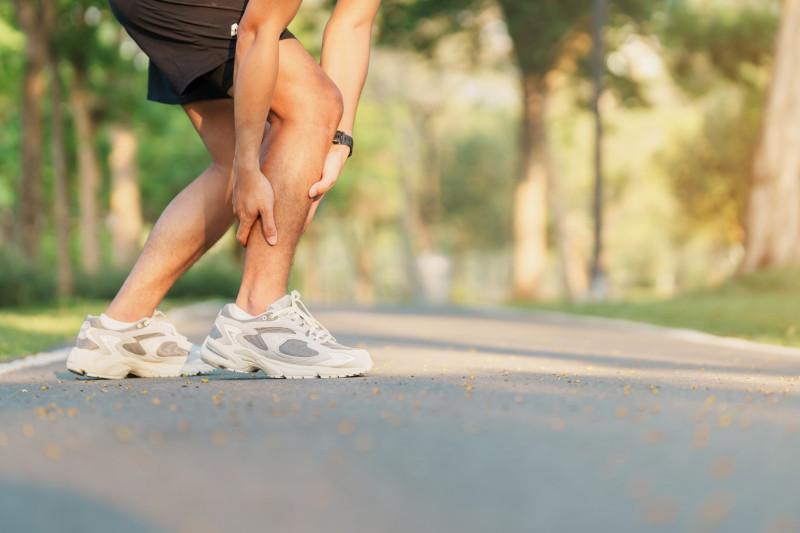
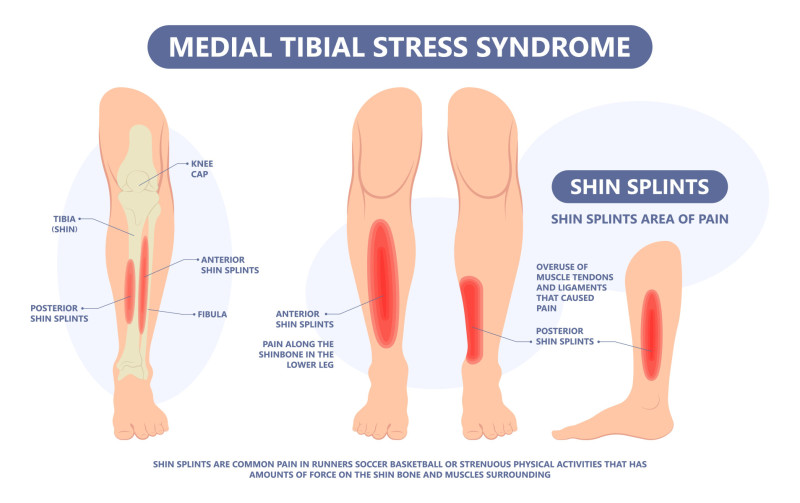
Whether you’re a competitive athlete or a casual runner, repetitive use of your legs (especially long distances like a 1600 meter run at a track event) can bring pain, swelling, tenderness or soreness along the shin bone (the tibia). The medical term is medial tibial stress syndrome.
“It’s usually because they’re increasing the frequency or intensity of their workouts,” Delaney says. Changing surfaces can also play a role. Delaney says she’s seen shin splints in football players who run on soft grass transitioning to basketball season and a hard court.
Diagnosis and treatment
Delaney says health care providers might take an X-ray or a CT scan to determine the extent of your injury. From there, the advice is typically to rest and ease back into competition.
“If you’re in a high impact sport, alternate days and do low impact work like pool workouts or getting on a stationary bike,” Delaney suggests.
Icing the leg can also help. A trick, Delaney says, is to freeze some water in a paper cup and tear away some of the cup so you have exposed ice. Then, massage your leg with the ice block.
“It gets a lot deeper into the soft tissue as opposed to just putting a cold pack on the leg,” Delaney says.
Delaney says rushing back into competition could cause the shin splint to progress to a stress fracture, or a tiny crack in the bone. That could mean an extended time on the sideline.
Prevention
Talk to any orthopedic provider, and you’ll be told the right footwear goes a long way to prevent injuries. Delaney agrees. She says to talk to an expert, like an athletic trainer, to find the right shoe for you. Flashy and expensive isn’t always best.
“Foot mechanics play a role,” Delaney adds. “Do you have flat feet? People with no arch support in their feet typically get shin splints. It’s a hard impact as opposed to having an arch to absorb the shock.” If this is the case, you might need a shoe insert (also called an orthotic or insole).
Get on a workout plan to strengthen your midsection and legs, and stretch before and after running. Delaney also says you can try leg compression sleeves. These can help prevent swelling and muscle fatigue and increase blood flow.
Learn more
Read more about how to keep your body in top shape on the OSF HealthCare website.