
Defend yourself against pneumonia
Key takeaways:
- Pneumonia is a lung infection caused by a virus or bacteria. Symptoms include coughing, fever, chills, weakness and difficulty breathing. It can be fatal.
- If pneumonia comes from a virus, providers will treat your symptoms. If it's bacterial, you'll be given antibiotics. In more severe cases, a provider may use techniques to help you breathe.
- Pneumonia can spread through respiratory droplets. So practicing good hygiene goes a long way toward prevention. There is also a pneumococcal vaccine.
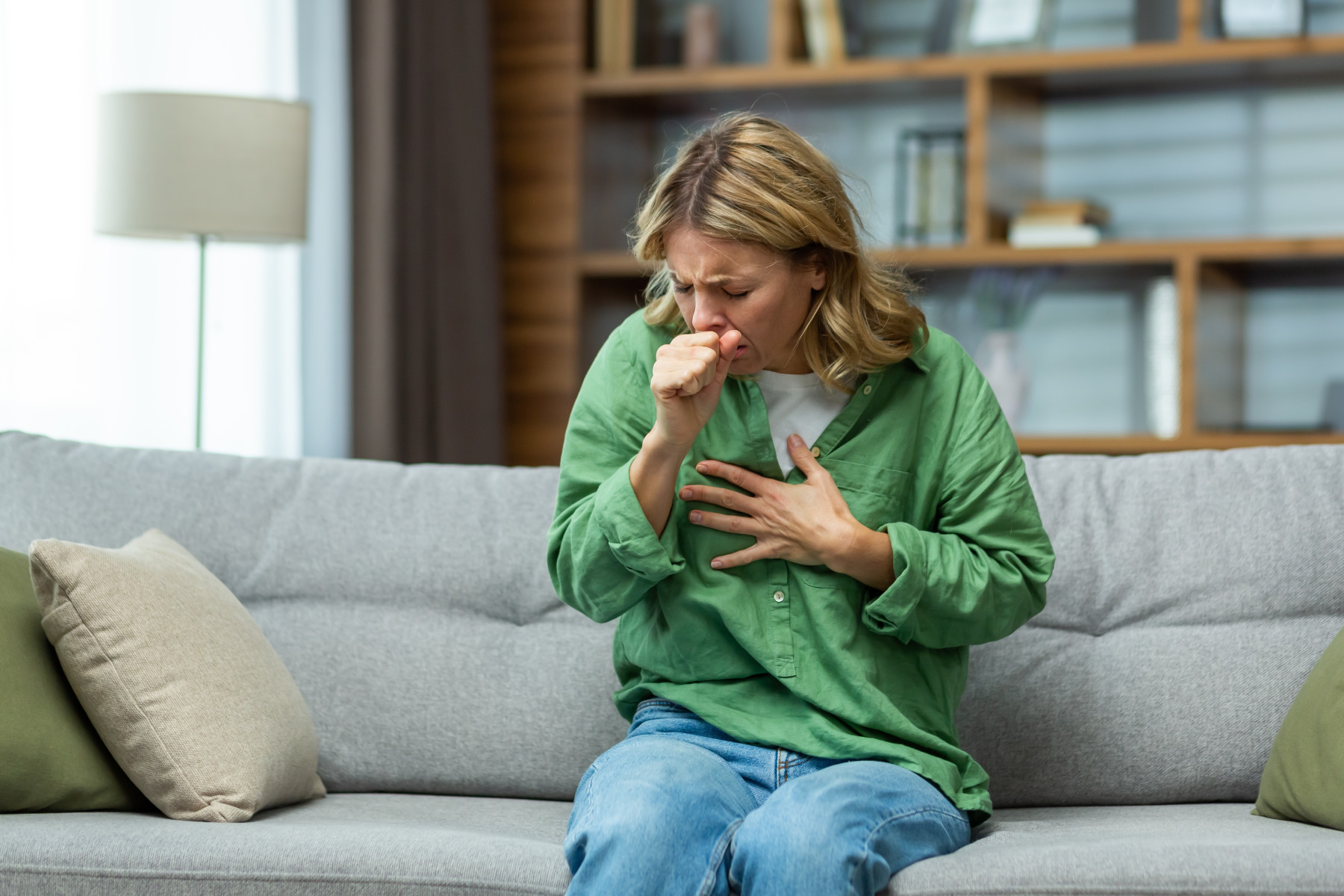
Pneumonia.
It’s a hard enough word to spell, let alone remember how to prevent and treat it. With respiratory illness season here, it’s time for a reminder about how to avoid this possibly deadly condition.
The basics
Fred Burke, MD, an emergency medicine physician who treats people at OSF HealthCare, says pneumonia is a lung infection caused by a virus or bacteria.
“The most common bacteria that causes it is strep pneumonia [in medical terms, streptococcus pneumoniae or pneumococcus]. The viruses that cause it are things like RSV [respiratory syncytial virus], flu [influenza] and COVID-19 [coronavirus],” Dr. Burke says.
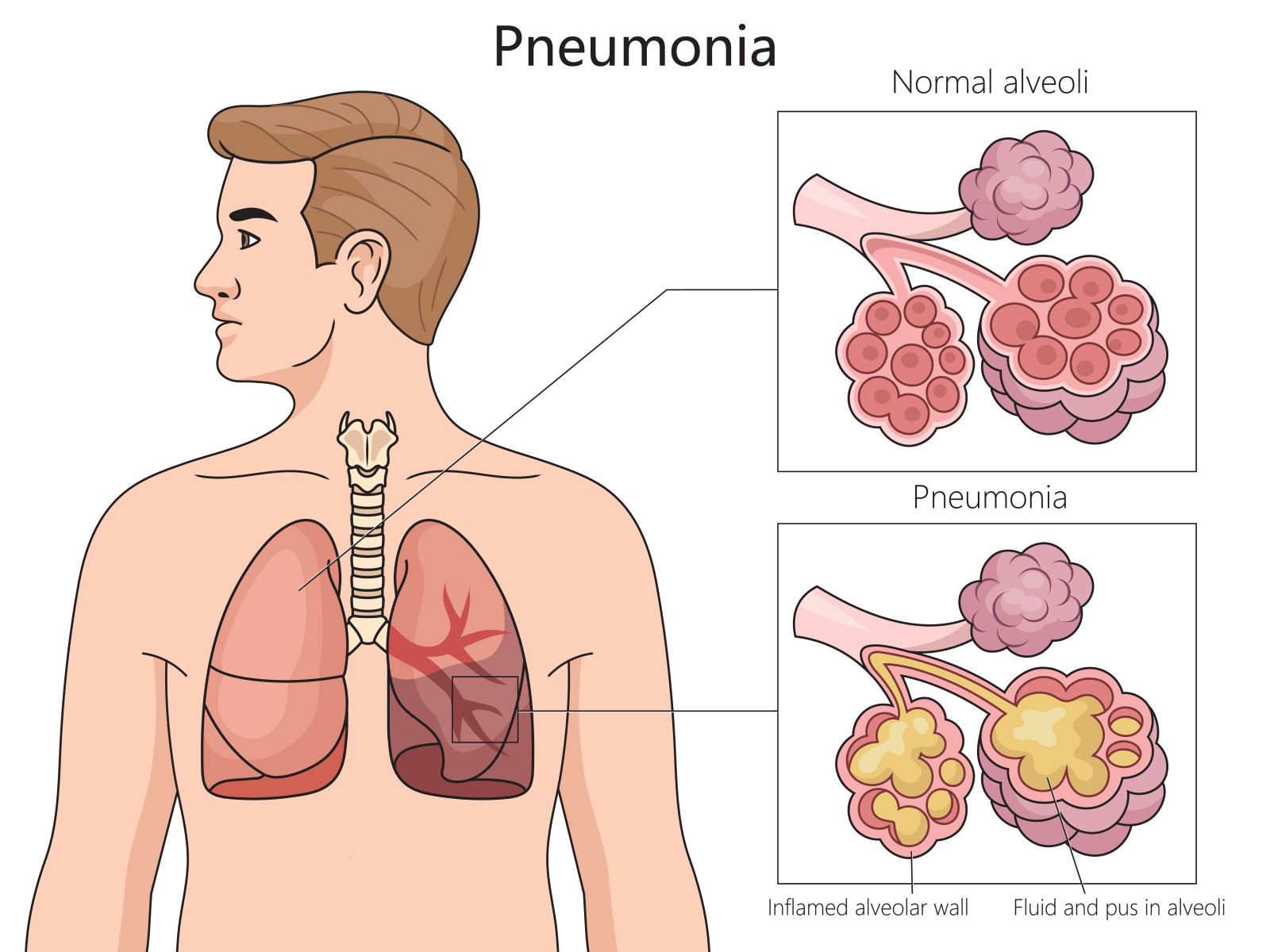
In other words, you could get the flu, and it could progress to pneumonia. The phrase double pneumonia means it’s impacting both lungs. Dr. Burke says people with pneumonia could experience coughing, fever, chills and weakness.
“It can cause a consolidation in the lungs. That interferes with air movement,” Dr. Burke says. “You can also get fluid buildup and scarring in the lungs.” Consolidation refers to inflamed cells that form a mass.
Diagnosis and treatment
Dr. Burke says when someone comes to the emergency department with pneumonia symptoms, a health care provider could do a chest X-ray or CAT scan to confirm the diagnosis.
“If we find it’s from a viral infection, people have to ride it out. There’s no treatment for [the ailment itself]. But we can treat the symptoms. We can give Tylenol for fever or an inhaler for shortness of breath or wheezing,” Dr. Burke explains. “If it’s from a bacterial infection, we give antibiotic medication.”
The person could take antibiotics by mouth for one to two weeks. Or, if they are having trouble breathing, the medicine would be given through intravenous (IV) therapy. Either way, the goal is to stop the bacteria in the lungs from growing.
Another tactic is a bronchoscope, where a pulmonologist inserts a tube down your throat to break up mucus in your airways.
But Dr. Burke cautions: don’t let the guidance of some “ride it out” fool you. Pneumonia is a common cause of hospitalization and death worldwide.
“One complication is sepsis, when the infection spreads to the blood. That can cause organ failure,” Dr. Burke warns. “Pneumonia can also cause respiratory failure [when the lungs aren’t working properly]. Those people might require additional oxygen. Or if it serious enough, they might require intubation [a breathing tube down the throat] or be placed on life support.”
Is it contagious?
Yes, pneumonia can spread from person to person, Dr. Burke says. It’s often transmitted through respiratory droplets (coughing or sneezing on someone), but it can spread on surfaces as well. A child could touch a dirty doorknob then put their hands in their mouth, for example.
That’s why everyday hygiene is important. Wash your hands with soap and warm water thoroughly and often. Cough or sneeze into your elbow or a tissue. Stay home and away from others if you’re sick. These are especially important for people at higher risk for pneumonia: people with a history of strokes or seizures, people suffering from substance abuse, people with a compromised immune system (those with HIV or a transplanted organ, for example), smokers and people with chronic obstructive pulmonary disease (COPD).
The United States Centers for Disease Control and Prevention also outlines the guidelines for the pneumococcal vaccine. Talk to your primary care provider if you have questions about the shot.
“The vaccine comes from evidence-based medicine. Experts have done studies. It’s shown to be very effective in decreasing the severity of pneumonia,” Dr. Burke explains. “I would recommend people take the vaccine.”