Medication assisted recovery: A primer
Key takeaways:
- Medication assisted recovery (MAR) involves someone facing substance abuse taking a drug like suboxone in a controlled way to step down their use of the problem drug.
- Benefits include: there's less of a chance to get a deadly drug off the street. And painful symptoms can be less painful.
- MAR should go alongside counseling.
To the layperson, it might sound counterintuitive: Treating a drug addiction with more drugs?
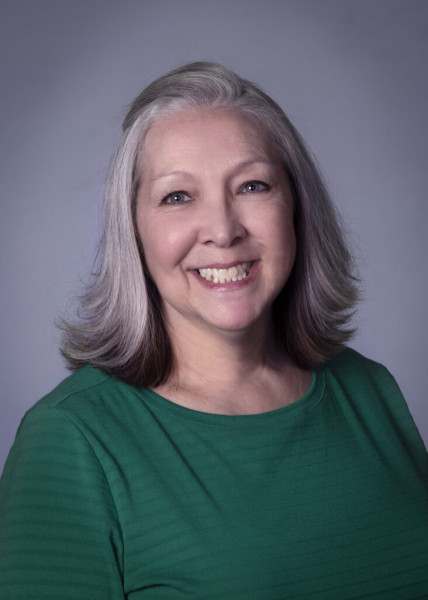
But medication assisted recovery (MAR) is becoming more common in the medical community, says Marla Nelson, LCPC, a psychotherapist at OSF HealthCare. She has a special interest in helping people with substance abuse and worked in a MAR clinic for nearly six years. Now, she’s sharing about MAR so people can see if it’s right for them. It’s definitely a topic worth exploring, Nelson and other experts say. Survey data from the United States Centers for Disease Control and Prevention say in 2019, 13% of people 12 and older reported illicit drug use in the last month.
“Addiction can happen to anybody,” Nelson warns. “Sometimes people get injured, and they’re given an opioid that’s addictive even if it’s taken as prescribed.”
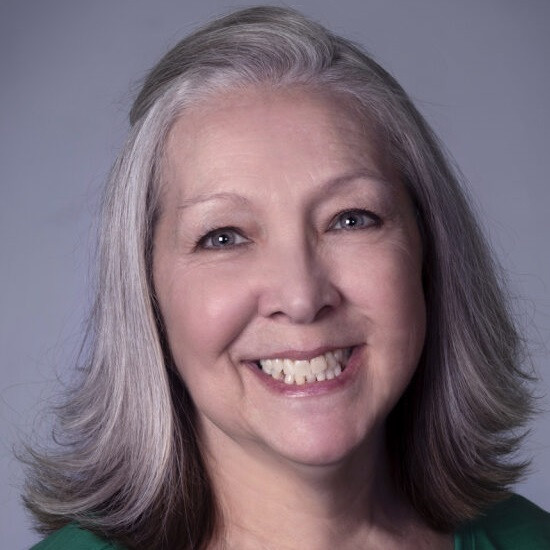
Addiction can happen to anybody. Sometimes people get injured, and they’re given an opioid that’s addictive even if it’s taken as prescribed.

MAR basics
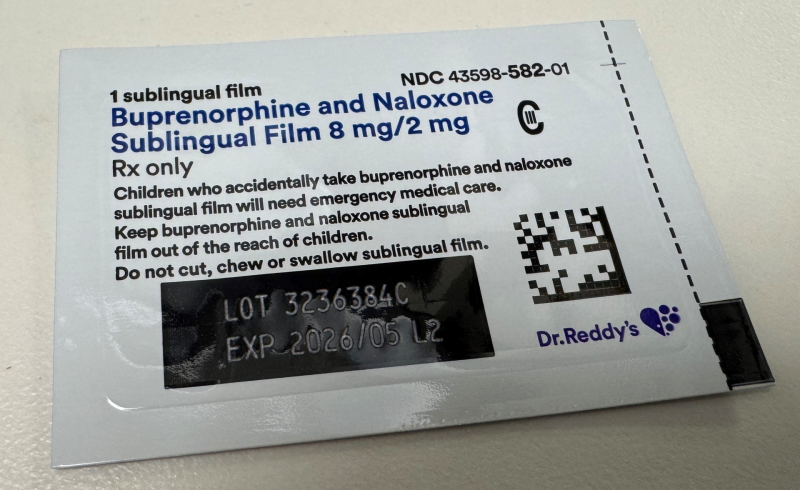
Nelson says a person addicted to things like painkillers (prescribed) or an illegal drug might be a candidate for MAR. The main drug providers use to treat is suboxone. Methadone is also used, but it’s less common, Nelson says.
Suboxone would be prescribed by a professional with training for this area of medicine. It’s then taken in a controlled manner to help with the person’s addiction. Over time, you step down your use. It’s similar to using a nicotine patch to wean yourself off cigarettes, Nelson says.
There might be side effects to suboxone use, Nelson advises, like teeth damage. That’s why it’s important to take it as directed. And, she says, it beats the alternative.
“You’re not buying it on the street. You’re not getting toxic level of things that can kill you,” Nelson says, comparing everyday drug use to MAR.
Nelson also points out that people who try to quit opioids “cold turkey” can suffer painful withdrawal symptoms. MAR seeks to lessen that.
MAR would also go alongside therapy with someone like Nelson.
“There are a lot of people in recovery who have a history of traumatic life experiences. We might deal with that. We might change the way they think about things using cognitive behavioral therapy,” Nelson explains. “So they have the medication to ease their withdrawal. And they have the therapy piece to learn new skills to live a productive life.
“It all really helps,” she says.
Changing attitudes
Nelson says MAR isn’t new, but she’s seen more health care providers consider it for their patients. For some of those patients, Nelson says it’s a “last hope” after they’ve exhausted other treatments. And when there are success stories, it’s gratifying to people like Nelson.
“I would see people going back to work, reuniting with family members who had to cut them out of their lives, getting married and having families of their own,” she says.
If you think you or your loved one could benefit from MAR, talk to a member of your health care team. If someone is deep in addiction and not seeing their doctor regularly or is resistant to help, Nelson points out that some hospital emergency departments can fast track someone into a recovery program.
Learn more
Read more about healthy thoughts and behaviors on the OSF HealthCare website. If your addiction has reached a crisis where you are thinking about harming yourself or others, talk to a trusted adult or mental health professional or go the emergency department right away. There are also hotlines and other resources available: The 988 Suicide & Crisis Lifeline, the Illinois Helpline for substance abuse and a treatment hub webpage from the state of Michigan.