
OSF builds medical assistant pipeline through immersive trainee program
Key Takeaways
- OSF is training medical assistants from the ground up through a paid, immersive trainee program that includes online training and simulation.
- Hands-on clinic experience is central to the training, preparing participants for real patient care.
- Strong demand is driving plans to expand the program beyond Central Illinois.
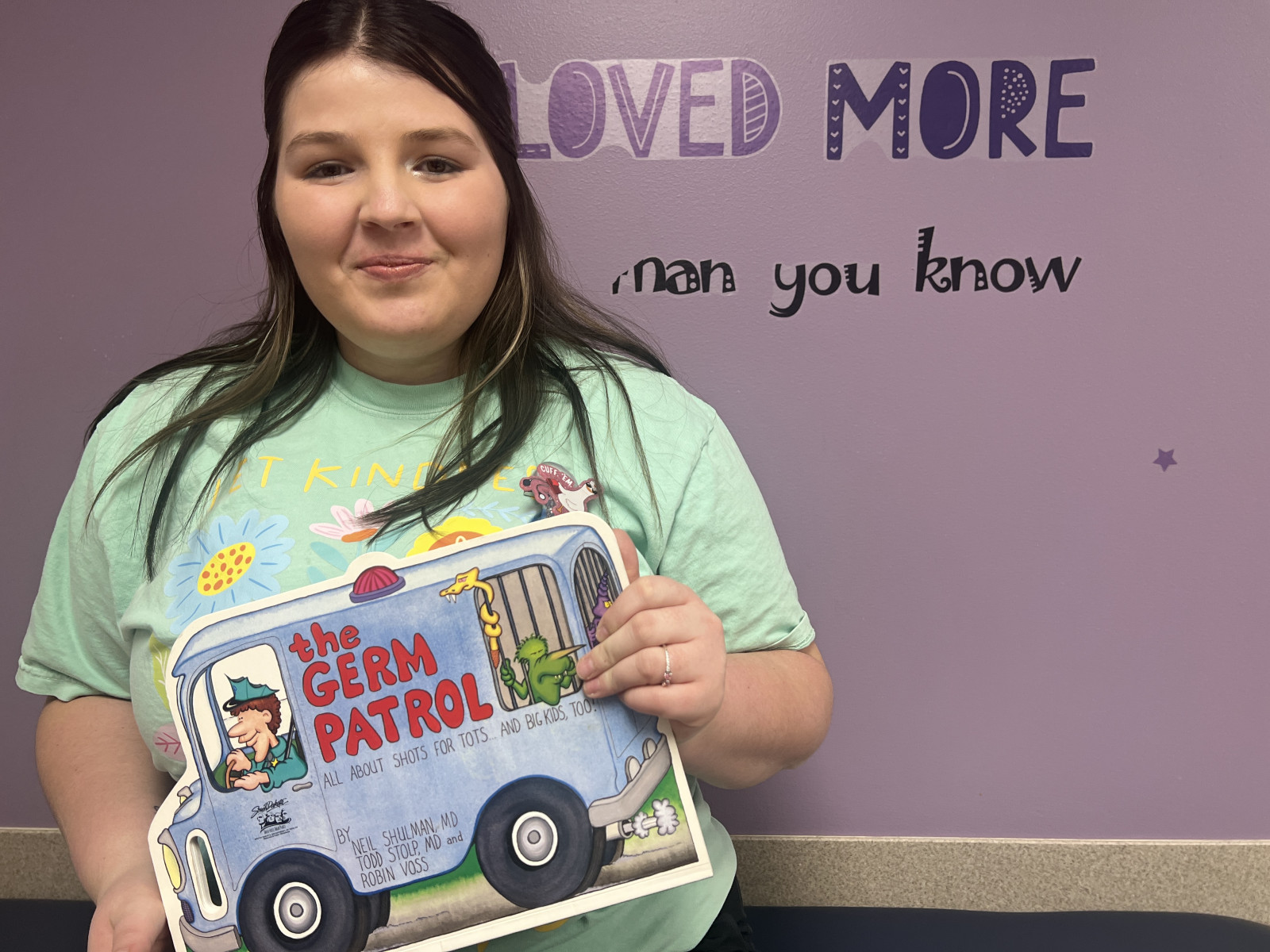
OSF HealthCare is strengthening its medical assistant workforce with an immersive trainee program that hires participants first, then trains them through a combination of classroom learning, simulations and hands-on clinic experience.
Leaders say the program was designed to prepare medical assistants for the realities of patient care while easing staffing pressures across OSF Medical Group clinics. Leaders are looking for candidates with a good mix of soft and clinical skills.
“It’s very important that medical assistants have empathy and emotional intelligence,” says Amanda Lambie, director of Clinical Education and Professional Development at OSF HealthCare. “They’re caring for patients day to day. Clinics can be busy, patients have different needs, and sometimes you unexpectedly have to set up for a procedure. We need them to be flexible and adaptable and ready to take care of the patient, whatever it is that they need.”
Classroom work comes first
Trainees are hired into a medical assistant trainee role and begin their education in a classroom and skills lab before rotating through clinics with certified medical office assistant preceptors. They also participate in simulations with standardized participants who are trained actors and complete certification coursework through the partnership OSF has with Guild.
For one trainee, 19-year-old Sandy Jones of Lacon, Illinois, the program felt like the natural next step in a long-standing desire to care for others.
“So basically, when I was 16, I was actually a CNA because I saw my grandma in the nursing home,” Jones shares. “I just loved the residents and the way that you got to take care of them and make a smile on their face.”
She was one of nine trainees selected from nearly 100 applicants for the Medical Assistant (MA) Trainee program, confirming for Jones that she was meant to answer the call to help others.
Trainees rotate among clinics
The program places trainees in clinics across Central Illinois, including Peoria, Morton and Washington, exposing them to primary care and in Jones’ case, pediatric care as well. Trainees focus on mastering clinical skills and Lambie emphasizes it stresses professionalism and patient safety.
“Our certified medical assistants administer medications and give injections. A lot of these skills could introduce risk if they weren’t serious and professional and diligent in making sure they were following all of the appropriate procedures.”
The cost of all training, coursework and certification exams is fully covered by OSF. While the national certification process is rigorous, leaders say support continues until every trainee succeeds.
Three of the nine trainees needed to retake the certification exam, but everyone was able to achieve their goal.
Jones was among those who needed to take the test a second time, but she says educators worked to find creative ways, including gaming, to help her grasp the material.
Games helped reinforce material
“We also did some Jeopardy games, which really helped. I love being competitive, so when you bring a game into it and it’s not so serious, you start really learning it and it really helped me.”
Every MA trainee has transitioned into a certified medical assistant position. Most medical assistant programs last 28 weeks, but the employer-based training with OSF Medical Group created an accelerated pathway with nine weeks of training for most.
Jones points out that for the trainee, the pace was demanding but rewarding.
As a hands-on learner, simulations stood out to her as the most valuable part of training. The simulation allowed her to practice the rooming process with trained actors.
“They came in for a cough and fever, and we literally went through the exact rooming process I’m doing now. And for a baby, we would have to get their length and head circumference and do a whole well-child (exam). It was amazing,” Jones recalls.
She now works in pediatrics, a setting she says allows her to connect quickly with patients and families and she enjoys making kids smile. Jones often rewards them with stickers after a successful visit to the OSF Center for Health in Morton.
Nurses spend more time on direct care
Lambie says the program also significantly reduced onboarding time for clinics.
Managers in OSF Medical Group offices reported that they were cutting onboarding time down by about half. Lambie stresses filling medical office assistant positions quickly helps care teams perform efficiently.
“Which permits our nurses to stop doing the task and responsibilities which a CMA is capable of doing and enjoys doing and allows nurses to really work at their top of scope and top of licensure.”
With strong feedback from medical group leadership, OSF plans to expand the program in small cohorts to other regions.
For Jones, the experience has already shaped her future plans. She plans on starting nursing school in the fall. She’s always wanted to be a pediatric nurse and follow in her grandmother’s footsteps with a career in nursing.
Her advice for others considering the program is simple. Go for it.
“This is a very good opportunity for you to step into the medical field and take it very seriously because it’s a real job and at the end of the day you’re going to love it.”
Here is an option to learn about the next round of applications for the medical assistant trainee program.