
Parents are feeling the loneliness epidemic
Key Takeaways:
- Recent research shows nearly two-thirds of parents felt the demands of parenthood sometimes or frequently and feel isolated and lonely
- The surgeon general earlier this spring issued an advisory about parental loneliness and burnout
- Dr. Kyle Boerke of OSF HealthCare suggests added pressures during the pandemic and social media use are contributing factors
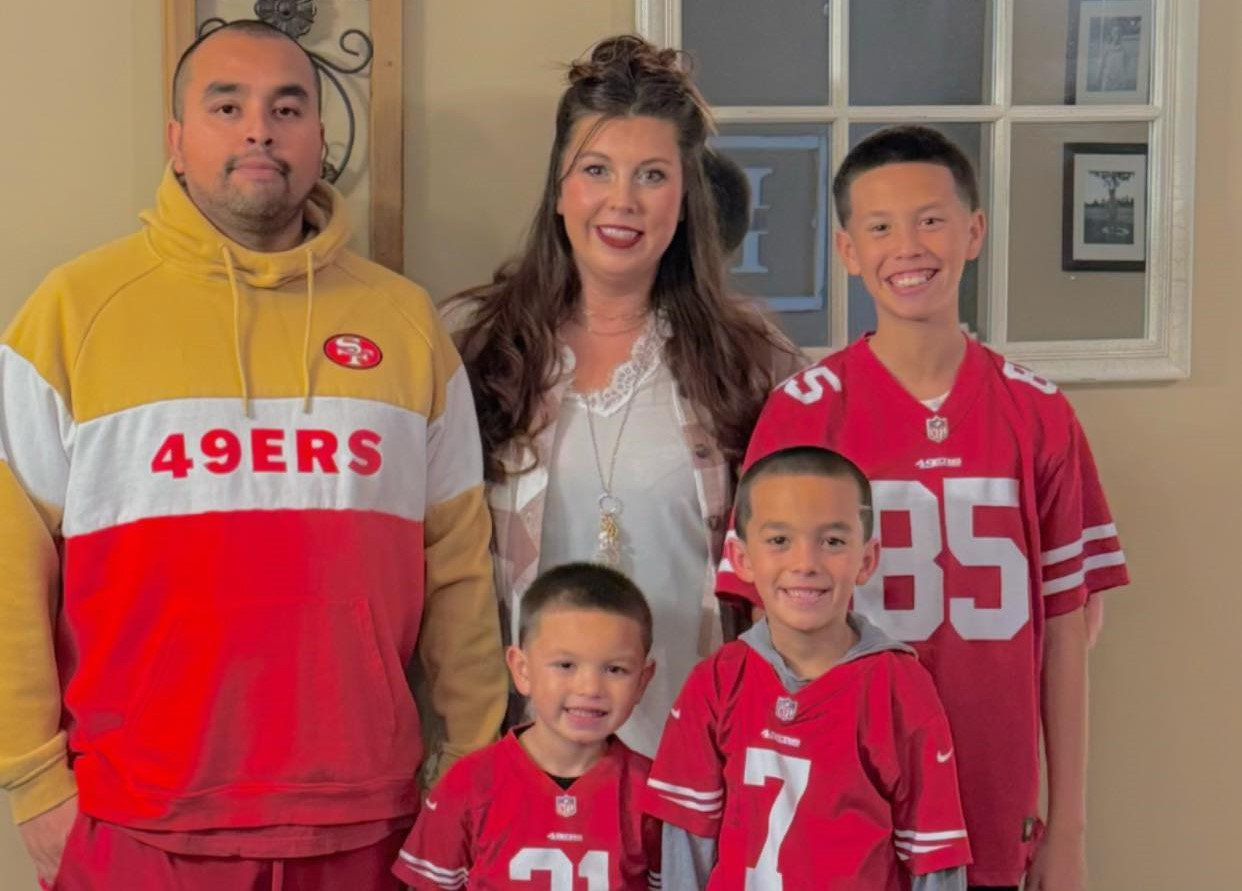
Morgan Hurtado of Bloomington, Illinois, is in her early 30s and has three boys. She works during the day, while her husband works second shift. Weekends are spent with her oldest boy’s travel soccer team. But as Hurtado began reflecting, the mom realized she mostly relies on her family for deep discussions and support.
Hurtado’s experience isn’t rare. Results of research released this year found the loneliness epidemic is deep among parents.
According to a survey by The Ohio State University Wexner Medical Center, nearly two-thirds of parents surveyed “felt the demands of parenthood sometimes or frequently feel isolated and lonely.” About 62% feel “burned out by their responsibilities as a parent.” Nearly two in five (38%) “feel they have no one to support them in their parenting role.”
In May, the United States Surgeon General Dr. Vivek Murthy released a new surgeon general advisory calling attention to the public health crisis of loneliness, isolation and lack of connection in our country.
Kyle Boerke, PsyD, a clinical child psychologist and the director of behavioral health outpatient services at OSF HealthCare, says parents have long felt lonely due to the heavy investment in their children, and the latest Ohio State research confirms that was exacerbated by the COVID-19 pandemic. Parents were forced to take on additional roles for their children.
“They also were thrown into being a teacher, or they were thrown into becoming a daycare provider, in addition to whatever their typical job was, as well. And so, the demands continue rising for parents. And they’re investing so much into their children, and it’s draining. It’s leading to that burnout we’re hearing about in the study,” Dr. Boerke says.
Dr. Boerke has spoken across the country about the harms of social media and says despite the idea that it can keep people feeling more connected, he says it is actually contributing to the loneliness epidemic.
“It’s very clear the anxiety, depression, loneliness that people feel. It’s literally a one-to-one correspondence. Increase in social media use, increase in anxiety and depression.”
The artificial social interaction, he stresses, often replaces efforts for one-on-one or group social interaction. Still, he thinks social media, when used for good, can be an important connector.
“If we utilize the tool of social media to find social interactions and then go do those human-to-human, face- to-face, in-person interactions, that’s a great use of the tool,” Dr. Boerke says. But he adds, “Unfortunately, that’s not oftentimes how it’s being used.”
Hurtado is challenging herself to get out of her comfort zone and make more in-person connections.
“Something I’m trying in my personal life as sort of an experiment, if you will, is to limit my social media interactions or just limit my time as a whole on social media, forcing me to have those in-person interactions more often and maybe leading to new relationships and friendships,” she says.
Just as counselors often advise busy parents to make sure they have regular date nights to keep their relationship strong, Dr. Boerke says couples need to keep their individual “buckets” full. In other words, it’s vitally important to make time for yourself and have social interactions that bring you joy and that are not necessarily focused on children.
Dr. Boerke suggests joining a book club and focusing on whether you can do that with people in your own neighborhood This way, you don’t have to get in your car and drive and can’t use the excuse that you’re too tired to do it. Proximity for interactions, Dr. Boerke suggests, is important to keep you accountable.
“Because if I can find somebody close by, even if it’s, ‘I’m gonna ask a neighbor to go on a walk with me three times a week, Monday, Wednesday Friday. We’re gonna walk in the morning before we go to work or before I start the day’,” Dr. Boerke suggests.
Mom groups are also an outlet for social interaction with people who have shared experiences. Dr. Boerke explains you might have great friends, but their kids are in high school. And although they’ve been through the preschool age, those preschool experiences are in the past for them. So that connection is going to be a little weaker or not as beneficial to you.
Some parents find real friendship with parents of other kids during travel sports. Dr. Boerke advises when choosing activities for kids, make sure to select teams or groups where you personally connect well with other parents.