
The Mediterranean diet and liver health
A healthy diet isn’t a cure-all for liver issues, but it can help
Key takeaways:
- A good diet is a big part of liver health. The Mediterranean diet is one option to discuss with your health care provider.
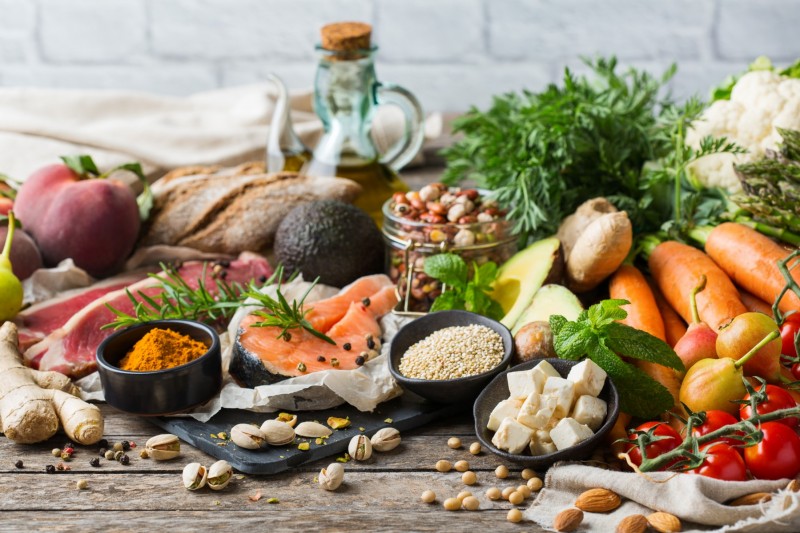
- The Mediterranean diet incorporates things like fruits, vegetables, whole grains, beans, seeds, extra virgin olive oil, brown rice and seafood.
- Poor habits that lead to issues like fatty liver could mean the need for a liver transplant or even death.
We’ve all heard the joke. Someone consumes something like alcohol and says, “My liver isn’t going to like this.”
But liver health – and more importantly what can go wrong with the organ – are no laughing matter. That’s why providers like Marcie Lindstrom, APRN, a family nurse practitioner in gastroenterology at OSF HealthCare, are getting the word out about how the Mediterranean diet can help keep our liver healthy.
How the Mediterranean diet helps
A good diet is a mainstay of liver health, both proactive and reactive when you develop a problem, Lindstrom stresses. The Mediterranean diet is one to discuss with your health care provider to see how it can work for you. This diet is mostly plant-based, incorporating things like fruits, vegetables, whole grains, beans, seeds, extra virgin olive oil, brown rice and seafood. It gets its named because it’s based on the eating habits of people who live near the Mediterranean Sea.
“A diet like this that’s rich in whole foods, fiber, unsaturated fat and antioxidants can help reduce liver fat. It improves metabolic markers and decreases inflammation in our liver,” Lindstrom says.
Lindstrom also states the obvious: the Mediterranean diet alone won’t keep your liver pristine. It must be part of a healthy lifestyle that includes exercise and avoiding risky behaviors like heavy drinking, smoking, high stress levels, mental health concerns, unsafe needle use and unsafe sexual relations. She encourages her patients to make small changes to achieve this healthy lifestyle. Swap chips for carrots for that mid-afternoon snack, and build your diet from there. Or, start your exercise routine by walking to the end of the block. Then when you’re up for it, walk a few blocks paired with some light weightlifting.
“Strength training [like weightlifting] helps build muscle mass and prevent muscle mass loss. That can help with your metabolism, which can improve liver health,” Lindstrom says.

Why this is important
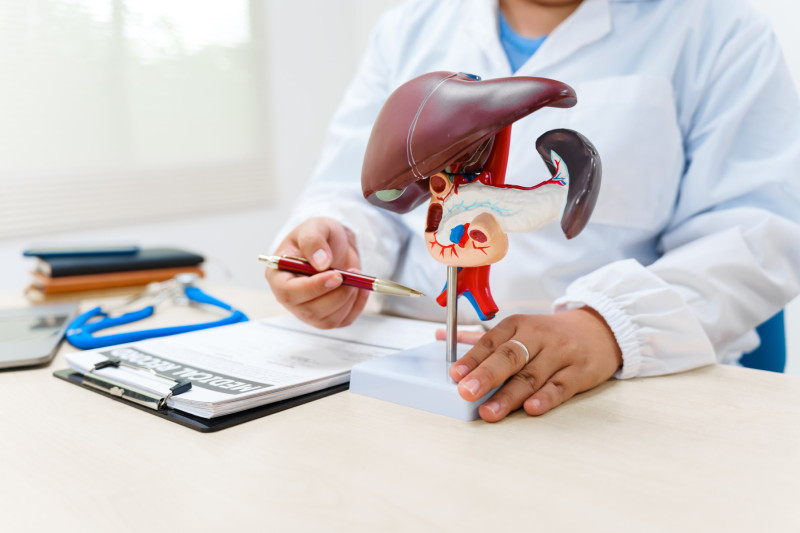
Lindstrom says the liver plays a critical role in our metabolism.
“It helps process nutrients, break down fats and medications and detox alcohol. It’s also important in regulating blood sugar and cholesterol,” she explains.
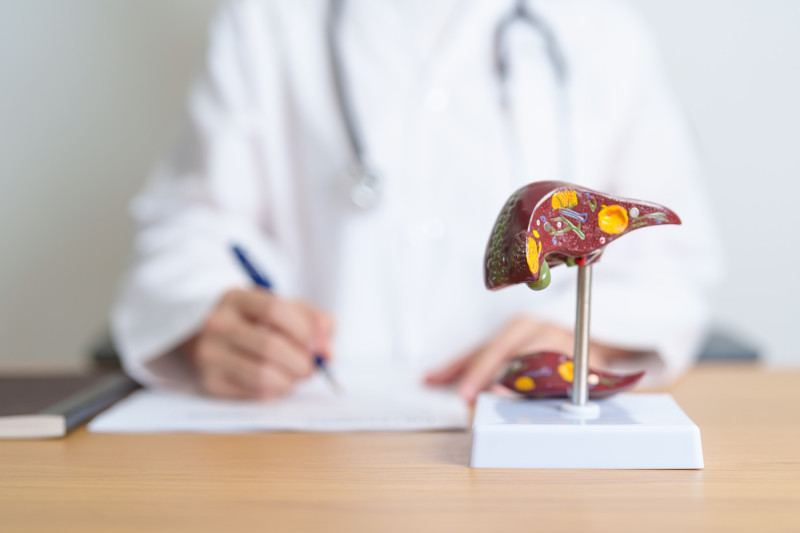
Fatty liver, where healthy cells turn into fatty cells that can’t do their job as well, is a common problem with the organ. It impacts around one in three people and is the top reason for women having liver transplants in the United States, Lindstrom says. Excessive alcohol use, hepatitis C, obesity, diabetes, high blood pressure, high cholesterol and insulin resistance can all contribute to fatty liver.
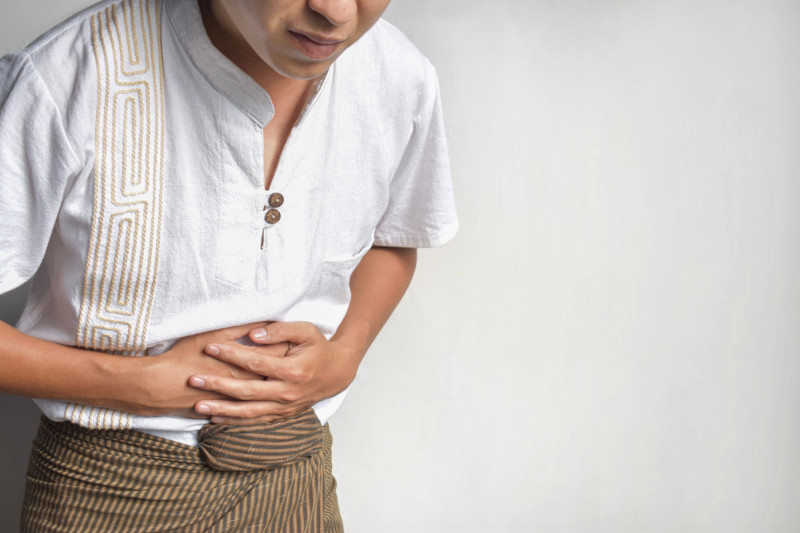
“The troubling thing with fatty liver is that most of the time, people don’t have symptoms,” Lindstrom warns. Unchecked fatty liver could lead to liver scarring, liver failure and even death.
Learn more
Read more about gastrointestinal health on the OSF HealthCare website.