
Walk which way?
May is National Physical Fitness and Sports Month, corresponding with warm weather exercise. Walking is one of the simplest ways to keep your body in good shape. Learn about different walking styles.
Key takeaways:
- Walking is an easy way to improve cardiovascular fitness, muscular strength, endurance and balance.
- Different walking styles - like backward walking, farmer's walking, rucking and Japanese walking - are all fine to try. Just know your limits.
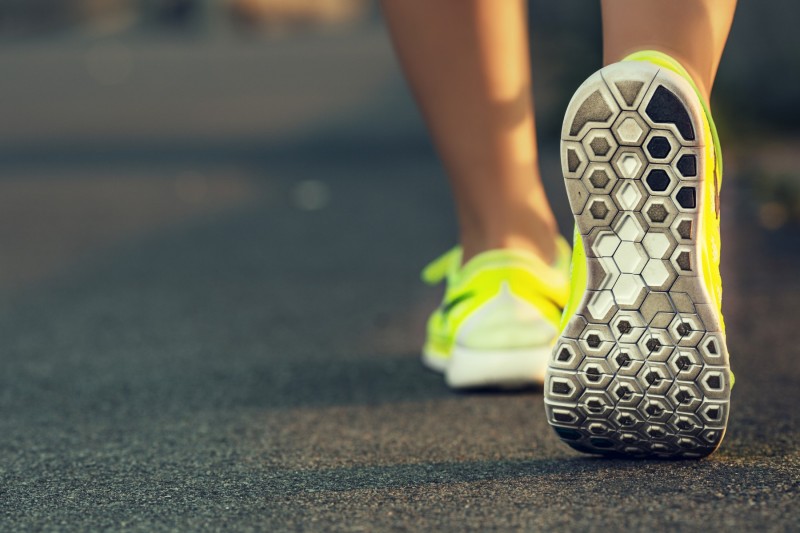
Walking is one of the simplest ways to keep your body in good shape. A simple stroll around the block each morning might be the ticket. But sometimes, different styles of walking trend online as a “hack” to get better results. John Rinker, MD, an internal medicine physician at OSF HealthCare who focuses on longevity, breaks down what you need to know.
The styles
- Backward walking: “It works different muscle groups than forward walking. You’re going to work different parts of your shin. It’s going to help a lot with ankle mobility,” Dr. Rinker says.
Try walking backward for a couple minutes on your walk. Keep safety in mind by avoiding trip hazards. Look for an even, non-crowded surface, like a sidewalk or track. Dr. Rinker doesn’t recommend it on a treadmill.
- The number six: There are a few workout variations that incorporate the number six. One encourages you to walk for 60 minutes at either 6 a.m. or 6 p.m. Another suggests a six-minute warmup and six-minute cool down, while others say six refers to getting active six days a week.
“The 6 a.m. or 6 p.m. – what I love about that is it schedules the walking,” Dr. Rinker points out. “For some, the barrier to exercise becomes their life schedule. Things get in the way. You meant to exercise, but you look back on your day and realize you never did. Then a week goes by [with no exercise].”
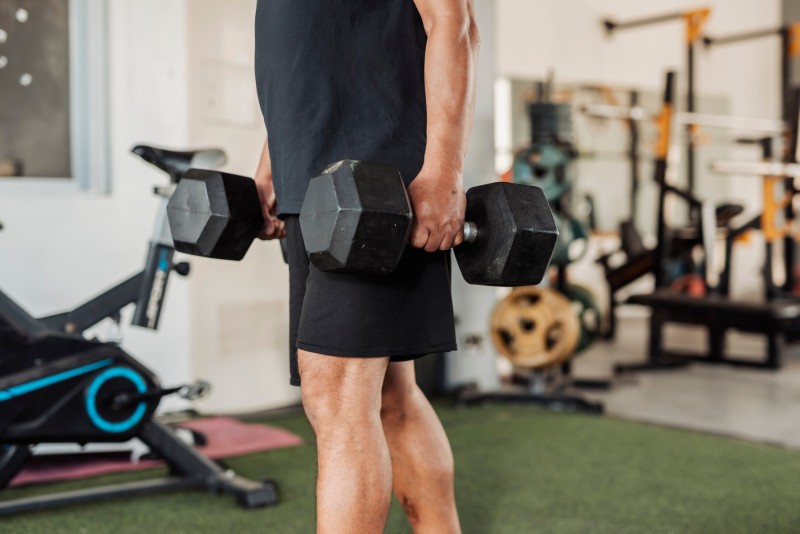
- Farmer’s walking: This is where you walk with a heavy object in each hand for a defined distance. Think of a farmer carrying seed bags back to the barn. Dr. Rinker says this can help with balance, muscle growth and grip strength – all things proven to increase longevity.
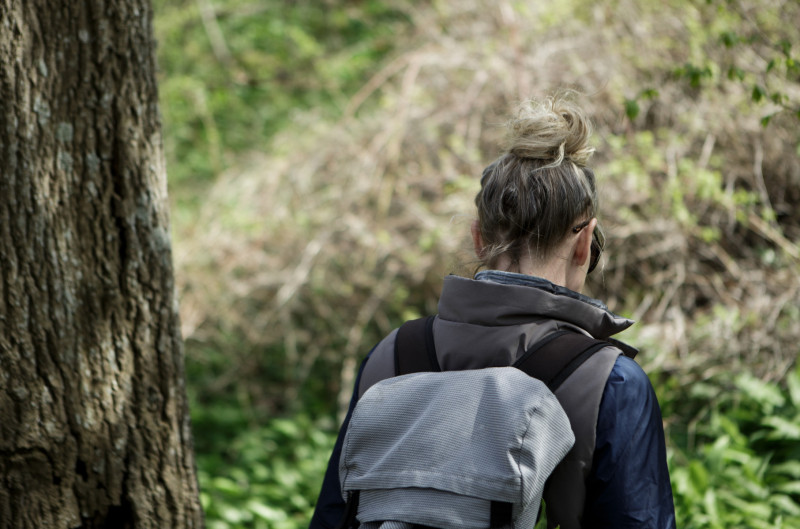
- Rucking: This is walking with a weighted vest or backpack. Dr. Rinker says this came into the mainstream after people saw military members walking with all their gear. Like farmer’s walking, rucking burns fat and builds strength, including in your heart, without increasing speed.
Dr. Rinker says it can be as simple as loading up a backpack with books or other household objects. Just start with a small amount, and work your way up.
“It doesn’t take a lot of weight for you to really feel it within the first 10 to 20 minutes. You don’t want to be stuck far out with a heavy backpack,” Dr. Rinker warns.
- Japanese walking: This involves alternating between slow and fast walking. Dr. Rinker says to think of it as high intensity training but in a walking format. If you set out for a 30-minute walk, try switching from a brisk pace to a slow pace every three minutes. Dr. Rinker says this can be especially beneficial for people who are not well-conditioned. He says it can strengthen your heart.
“For people who have a fear of exercise, this is a nice way to ease in,” Dr. Rinker says.


The bottom line
Dr. Rinker says any of these exercise variations is OK to try. Just know your limits, and find a routine that works with your body and schedule.
“It can be boring to do the same thing every day,” Dr. Rinker says. “Finding different variations often leads you to feel challenged, wanting to do more and wanting to try new things.”
Why it matters
Are you doubting that walking is for you?
“Walking is a wonderful way to improve cardiovascular fitness, muscular strength, endurance and balance,” Dr. Rinker says. “In general, humans are meant to move. The more we’re moving our bodies, the healthier we’re going to be long term.

Walking is a wonderful way to improve cardiovascular fitness, muscular strength, endurance and balance. In general, humans are meant to move. The more we’re moving our bodies, the healthier we’re going to be long term.

“Bed rest is good for no one. We need to be moving,” he adds with a smile. Walking is free and requires no equipment, Dr. Rinker adds.
The American Heart Association recommends adults get 150 minutes of moderate-intensity exercise per week. But Dr. Rinker says if your body can tolerate it, try for more.
Limitations
The ability to walk beyond daily tasks might be limited for some. A young person might have a chronic injury, or an older adult might simply have wear and tear on their body.
Dr. Rinker stresses that if an exercise makes you hurt badly, stop it and seek guidance from a health care provider. But, there are ways you can still make walking a part of your routine.
“Change the timeframe or pace. Go for shorter distances,” Dr. Rinker suggests. “There are some people who, let’s say, have COPD and have trouble breathing. They feel short of breath, so they stop walking. We actually want them to walk and spend some time with some shortness of breath. They actually improve their exercise tolerance. Their breathing improves over time.”
Another approach: if you’re used to taking a 30 minute walk, break it up into five minute walks throughout the day.
Learn more
Read more about keeping your body in top shape on the OSF HealthCare website.