
What one movie can teach families about screen time
Key Takeaways:
- Screen time for kids is a hot topic for parents, medical providers and even the creators of “Toy Story 5.”
- The block-buster movie addresses the real-life parental struggles of isolation caused by devices for some children.
- The American Academy of Pediatrics has released new guidelines looking at the impact of screen time on kids.
- Medical experts offer several recommendations including no electronics one hour before bedtime.
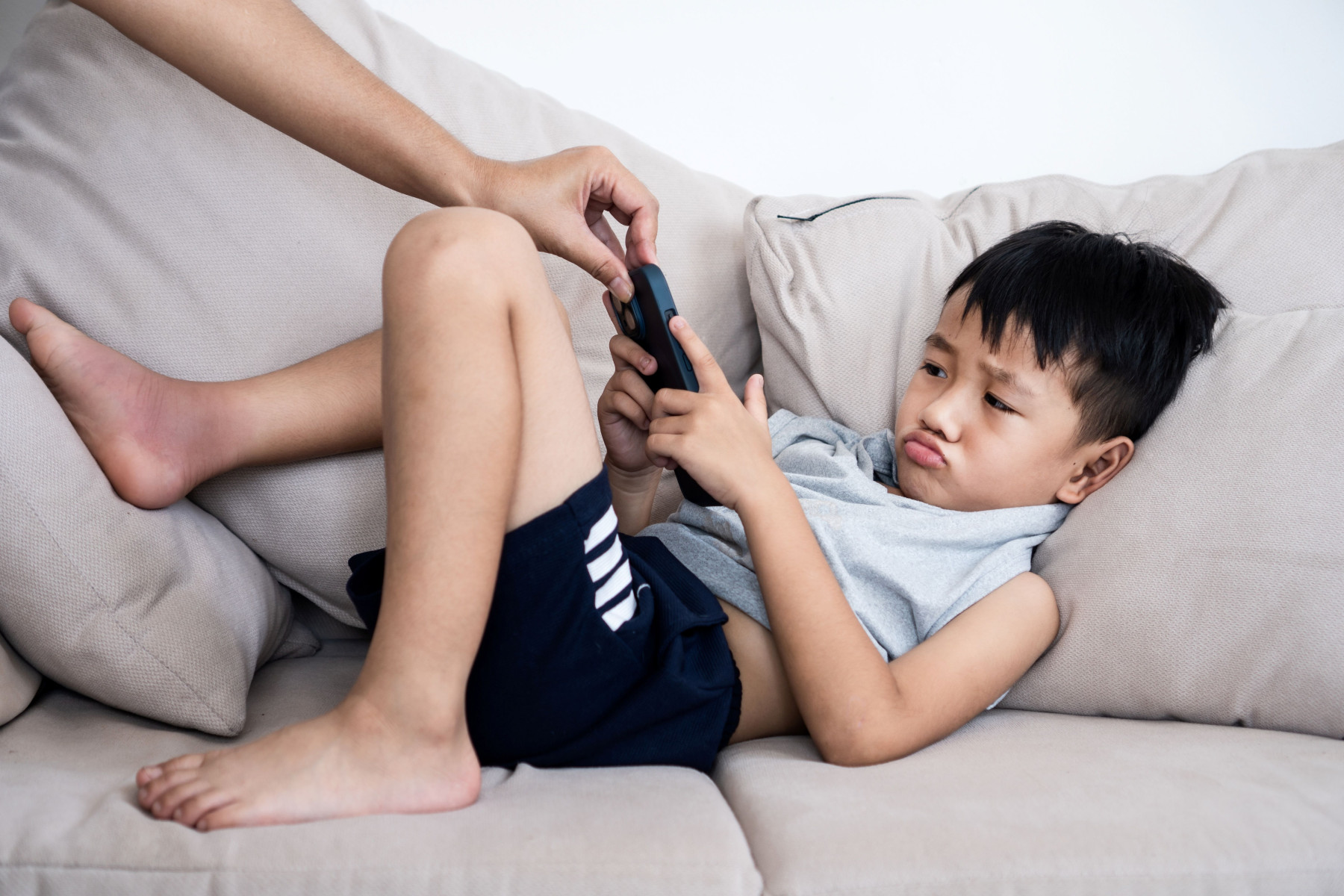
If you went to the movie theater this summer and caught the block-buster “Toy Story 5,” you learned that real-life parents aren’t the only ones worried about kids and too much screen time.
In the movie, eight-year-old Bonnie struggles to make friends because most of the kids she meets would rather spend time on their digital devices rather than go out and play.
But when her parents buy her a Lilypad, a frog-shaped tablet that comes alive, it’s Bonnie that becomes hooked on screen time, leaving Jessie and the rest of the toys begging for Bonnie’s attention.
“Toy Story 5” addresses real-world parenting struggles, such as isolation caused by devices and pressure to give children devices that will help them fit in with their friends.
Chasity Caperton, MD, a pediatrician with OSF HealthCare, says the movie’s central conflict is sure to resonate with most parents.
“I love it. I love that they're bringing this topic forward,” she says. “It's given the parents an avenue to be able to discuss this with their children in a non-confrontational way. I think it's needed. It shows that screens are pervasive in society, and this film just drives that point home.”
Let’s face it. Screens are available everywhere. That includes phones, tablets, TVs, computers, games, even AI tools that have shaped how kids play, learn and connect with others.
“I'm very concerned, and it's not simply a question of the hours of screen time,” says Dr. Caperton. “It's what is that screen time replacing. Is it replacing interaction with their parents? Is it replacing interaction with their friends, imaginative play, or any physical activity or sleep that they may need? All these things are essential for the development of a child.”
New guidelines
The American Academy of Pediatrics (AAP) updated their guidelines in early 2026, coming up with a new way of viewing screen time for kids. Rather than using strict time limits, AAP recommends a more balanced approach that considers the entire digital environment, which includes the many tech tools and platforms that kids use daily.
Dr. Caperton says the new shift is looking at how the technology is designed and figuring out if it affects learning, sleep, amount of physical activity – basically how it affects a child’s life. It’s a conversation she has often with parents.
“The things that I ask are, ‘are they using it?’ The answer is always yes, typically. The next thing is: ‘Do they use social media? Do they game? Are there parental controls?’ And then the last thing that I ask is: ‘Is this starting to interfere with the child's sleep? Are they having behavior issues that the parents think can be related to this screen time? And how is it impacting their education?’”
Dr. Caperton says screen time in moderation is fine. In fact, it’s necessary for children to become comfortable with technology overall.
Know your limits
But there are limits. Dr. Caperton says all tech devices should be turned off one hour before bedtime, or don’t keep them in the bedroom at all. Excessive screen time has been linked to increased irritability, anxiety and attention deficiencies in children. She adds one caveat – it depends on the content and the individual child.
Spoiler alert here in case you haven’t seen “Toy Story 5.” Bonnie doesn’t stop using her Lilypad in the movie. Instead, she learns there is enough room in her life for both friends and devices.
While there is plenty of debate about whether the movie nailed the messaging, Dr. Caperton says there are enough teaching moments that parents can share with their kids once the houselights come up.
“They can start off by asking their child, ‘"What did you notice about Bonnie's behavior? How did it change throughout the movie?’ They can also discuss the peer pressure that's involved with using [devices] because that's also demonstrated in the movie.”
Dr. Caperton encourages every family to come up with one change in screen time they can incorporate within their household. One example – put away phones during dinner.
It might seem like a small change, but it’s a good start.