
Oh, my aching leg!
Key takeaways:
- Arterial disease, venous disease, arthritis, wounds, lymphedema and nerve issues are common causes of achy, swollen legs.
- Treatments include compression stockings, medication, a device that aids blood flow or a procedure to stop blood flow in a problematic vein.
- Prevention includes keeping chronic conditions in check, avoiding smoking, exercising and eating a healthy diet.
If you break a leg or sprain an ankle during a basketball game, health care providers have a good idea what happened and how to treat it.
But if you have daily aches, pains and swelling in your legs, it will require some investigation.
Causes
Aman Khurana, MD, a vascular medicine physician who sees patients at OSF HealthCare, outlines common causes of leg pain.
- Arterial disease
“The arterial cause of leg pain is when people walk, and they get leg, calf, hip or thigh pain. That can be from less arterial flow down in the legs,” Dr. Khurana says. “When we walk, the muscles are demanding more blood. But because of blockages, blood doesn’t come.”
- Venous disease
“Venous pain brings heaviness, tiredness and fatigue. Varicose veins and leg discoloration are signs of venous disease,” Dr. Khurana explains. “That pain seems to get better when you lay flat or with your legs up.”
- Arthritis, or inflammation of a joint
- Nerve issues
“We have large nerves that go down from the back,” Dr. Khurana explains. When those nerves are irritated, it can cause a condition called sciatica. “Then there’s small vessel nerve pain that causes tingling and numbness in the feet.”
Wounds, such as those associated with diabetes, and lymphedema, a condition where fluid builds up causing swelling, can also contribute to these problems.
Diagnosis and treatment
Dr. Khurana recommends seeing a provider at the first sign of leg pain. He says it’s hard for people to pinpoint the problem, and waiting can make it worse.
A provider, he says, could check the blood pressure in your arms and legs to gauge blood flow and run a test to check for vein leakage.
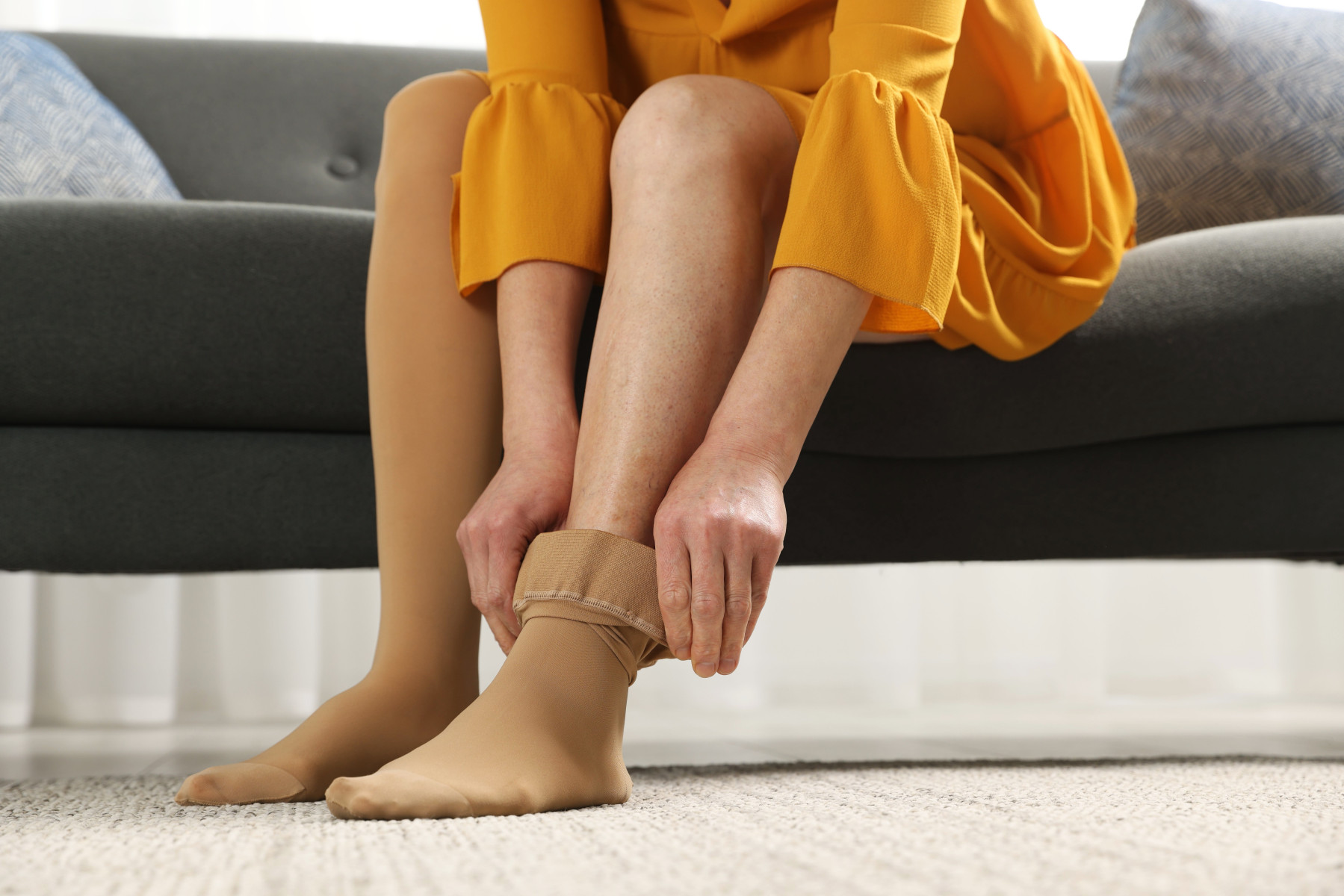
“Veins have valves. When blood goes up, the valve should close. Some valves don’t close right. Blood goes up, and it keeps coming down. That’s how you have the heaviness, tiredness and swelling in the legs,” associated with venous disease, Dr. Khurana says. You could be given compression stockings for this problem.
Other treatments include medication, a device (such as a lymphedema pump that massages the legs and aids blood flow to the heart) or an ablation procedure to stop the blood flow in the problematic vein.
Prevention
How do I keep my legs moving? Dr. Khurana repeats advice many doctors have given. Daily healthy habits that prevent cardiovascular disease will help prevent leg issues.
- Keep your blood pressure, cholesterol and chronic conditions like diabetes in check.
- Don’t smoke.
- Exercise and eat a healthy diet to avoid obesity. When your weight impacts your ability to get around, Dr. Khurana says, it’s definitely time to see a provider.
- Know your family history of health issues, and bring these up to your provider at your regular checkups.