
OSF HealthCare research contributes to FDA approval of AI sepsis tool
Key Takeaways:
- Sepsis kills more people than cancer every year and is notoriously hard to diagnose.
- OSF HealthCare was one of 10 hospitals contributing to 100,000 blood samples and de-identified patient data used to create the first-ever FDA cleared software to predict sepsis.
- Startup company Prenosis used artificial intelligence to develop The Sepsis ImmunoScoreTM. which considers 22 symptoms and a person's biomarkers to categorize their sepsis risk.
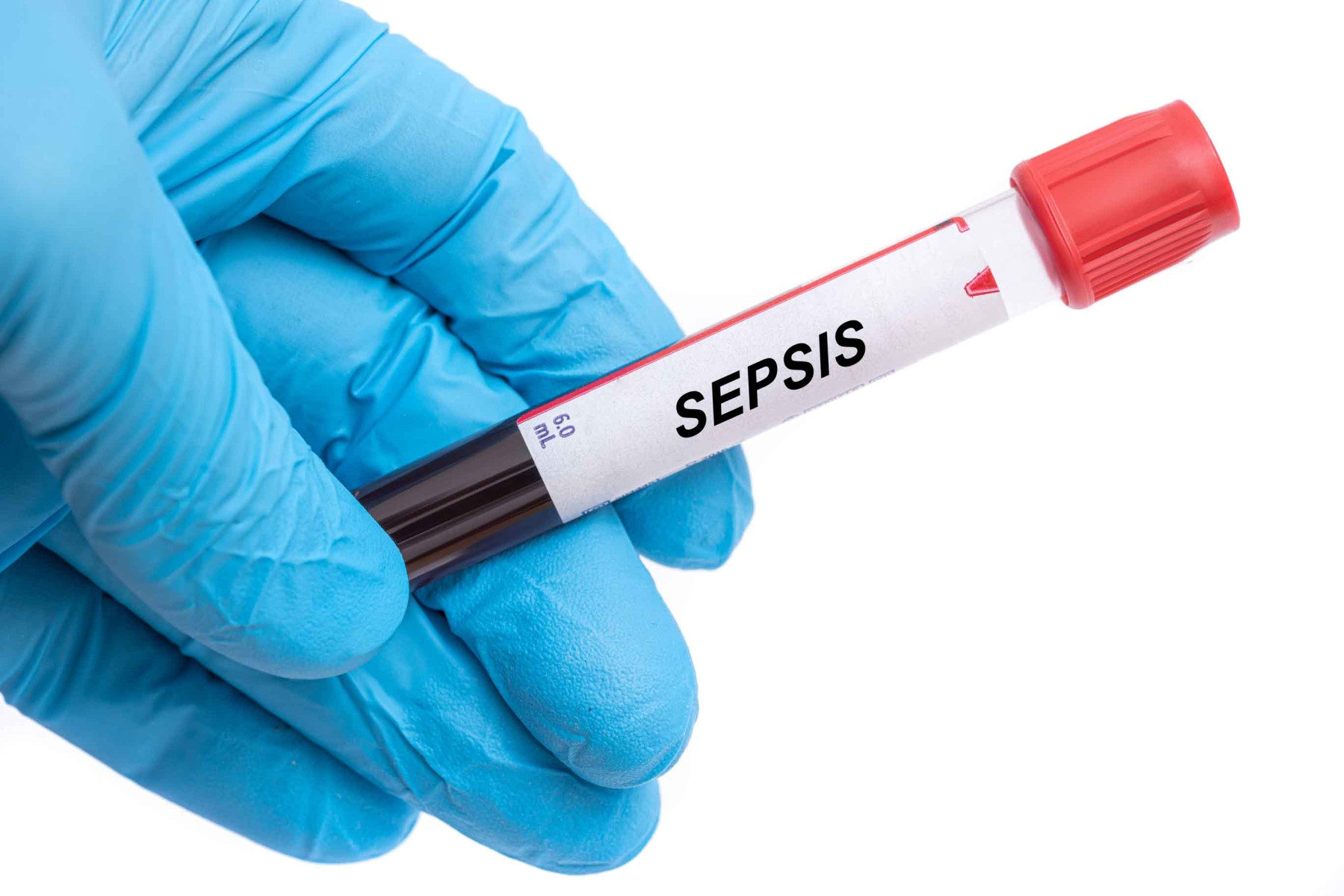
Sepsis is a critical health issue worldwide, but the advancements in artificial intelligence are starting to offer a better path forward for early diagnosis and treatment.
OSF HealthCare Saint Francis Medical Center in Peoria, Illinois was one of 10 hospitals taking part in clinical trials that led to the first-ever Federal Food and Drug Administration authorization to market an AI diagnostic tool for sepsis. Chicago-based company Prenosis, which spun out of the University of Illinois in Urbana Campaign (UIUC), created The Sepsis ImmunoScoreTM.
OSF Saint Francis hospitalist Anwaruddin Syed, MD, began working with researchers at UIUC while in residency at a hospital in Champaign. He took that experience to OSF Saint Francis where he was the lead investigator, continuing research in the Prenosis clinical trial. As a hospitalist - a doctor who provides care for patients at a hospital - he wanted to help solve the challenge of a serious and often deadly complication.
“In the US alone, there’s an estimate of 1.7 million American adults who develop sepsis every year out of which 350,000 people die or go into hospice. The numbers are eye opening.” (:19)
Dr. Syed explains sepsis happens when the body tries to fight an infection.
“When you have a really bad infection and your immune system is compromised by that infection, then the infection takes over. That’s why it’s important to identify that infection early on, before that infection can take you over.” (:19)
OSF contributed to the pool of 100,000 blood samples and de-identified patient data to help train algorithms to identify patient vital statistics, such as heart rate and oxygen levels, most associated with developing sepsis. It looks at biomarkers – biological molecules found in blood, tissues and other bodily fluids that lead to disease. The ImmunoScore is based on a total of 22 factors to identify risk, which it then put into one of four categories.
The risk score can be integrated with a patient’s electronic health record. Care team members can see what factors impacted the patient’s risk score. Dr. Syed says it can be an add-on to the protocols and information hospitals already use to help better identify patients at risk and for managing those with a confirmed sepsis diagnosis. In other words, it’s one more tool to help physicians.
According to a 2022 study published in Nature Medicine, in severe cases, the then-UIUC AI model detected sepsis an average of six hours earlier than traditional methods. Dr. Syed says Prenosis will conduct additional studies to demonstrate the tool’s accuracy and impact on clinical decision-making.
In the meantime, Dr. Syed is excited OSF has participated in such important research.
“It honestly feels amazing, knowing that our work and the trust and contributions from our patients here at OSF played a role in developing this first-ever FDA sepsis AI tool. It’s really rewarding. It’s a game-changer in patient care and I’m proud to have been a part of it.”
Other companies have developed sepsis diagnostic tools, but Prenosis wanted the FDA approval before marketing its software. The company worked for 18 months to receive the go-ahead to market and sell The ImmunoScore under a process in which the FDA reviews and regulates artificial intelligence/machine learning software as if it is a medical device.