
Seeing a therapist: Tales vs. truths
One OSF behavioral health provider is debunking myths about mental health care so you can get the most out of your therapy sessions
Key takeaways:
- Therapy is a safe place to discuss mental health. Health care providers have limited reasons to break confidentiality in an effort to prevent harm.
- Therapy is usually not a quick fix. You should expect to stick with it, both in sessions and applying coping skills outside of the clinic.
- Medication can be a part of therapy, but the practice is not an easy gateway to get pills.

Mental health care starts with a first step, but that first step can be intimidating. Maybe you don’t want to let others know what you’re dealing with, or you’ve heard about friends having poor experiences while seeing a mental health provider.
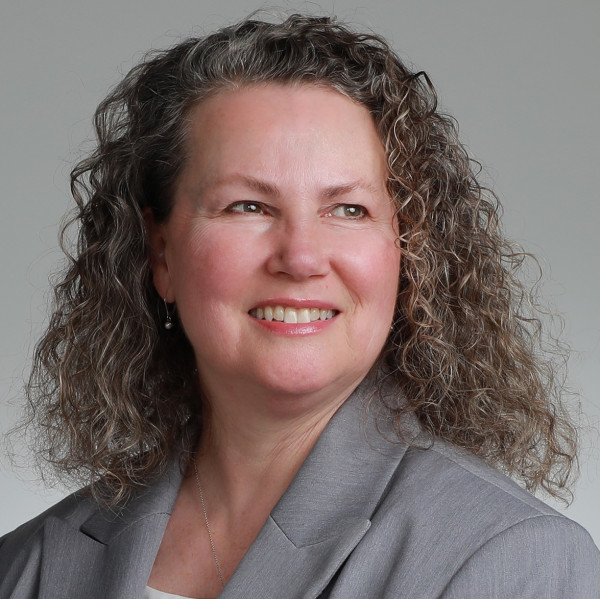
Susan Hanson, DSW, LCPC, a psychotherapist at OSF HealthCare, is debunking misconceptions about therapy so you can feel comfortable and get the most out of your care.
- Myth: Seeing a therapist is scary.
Fact: “People quickly learn it’s a safe place to talk about trials, tribulations and conflicts. It’s a very warm and inviting place,” Hanson says. She adds that even group therapy shouldn’t be intimidating. Group work can help build empathy and a sense of belonging. When you see others going through the same issues, you can often feel less alone.
- Myth: My private health information is at risk of becoming public.
Fact: Hanson says this comes up often with her patients. They don’t want to talk about certain things with friends and family, but they’re also wary of talking with a provider. Hanson reassures that all health care providers abide by confidentiality and use software that keeps your information secure and private. She says the only reasons a provider must breach that confidentiality is if the person is a danger to harm themself or others or if there is evidence of child endangerment.
- Myth: I’ll be back to normal after just a few sessions.
Fact: It’s usually not a quick fix, Hanson says. Therapy is something you need to buy into and stick with. Success is often seen after awareness, acceptance and internal structural changes in terms of emotional regulation and setting healthy boundaries.
“Some people can come in and have a quick fix. Maybe they’re nervous about moving. Or they have test-taking anxiety, and we can work through skills for that,” Hanson says. “But many other people have more complex trauma that might take longer to work through.”
- Myth: Medication will fix me, and therapy is an easy way to get it.
Fact: Hanson stresses that mental health care providers are not medication dispensaries, nor will medication alone likely heal you.
“Sometimes medication is appropriate if there’s a biological basis [an issue innate within someone’s body, in other words], complex trauma or a diagnosis like ADHD or major depression. The medication can help enhance the talk therapy,” Hanson explains. She adds that a therapist can put a timeline on things. If, for example, anxiety symptoms aren’t improving after a few sessions, the provider could look into medications that could help.
Myth: I’ll see my therapist then go back to normal life.
Fact: Hanson says you have to put what you learn at therapy into practice. Common activities outside of a session include journaling, meditation, grounding exercises and finding a trusted person who you can go to if, for example, you’re having an anxiety attack. Some of Hanson’s patients have also benefitted from emotional support animals, she says.
“Reframing thoughts around a certain situation can be a good goal. Learn positive word choices. Rewrite the story around a situation,” Hanson says. Reducing anxiety is another big goal she’s seen with patients.
“Therapy is not a straight road. I like to see it like a dance. Two steps forward, one step back,” Hanson adds. “I also tell my clients that this bridge will take you halfway there. The rest, you walk alone. There’s only so much any one person can do for another person. We need to learn how to develop some of the skills outside of a therapy session.”
Therapy is not a straight road. I like to see it like a dance. Two steps forward, one step back. I also tell my clients that this bridge will take you halfway there. The rest, you walk alone. There’s only so much any one person can do for another person. We need to learn how to develop some of the skills outside of a therapy session.

Learn more
Read more about mental and behavioral health care on the OSF HealthCare website. Mental health care at OSF includes providers like Hanson on the local level and the to-be-built Meadowview Behavioral Hospital in Peoria, Illinois, for people who need a higher level of care.
Interview clips
Related stories
Chewing, breathing, clicking - when does it end?
Turning pain into purpose
Is it depression, ADHD or bipolar disorder?
Don't feel the burn
Difficult, not bad: Navigating tough conversations
Fall into self-care
Seeing a counselor in your golden years? Mind these misconceptions
Finding common ground
Suicide prevention involves all of us
Medication assisted recovery: A primer
The balancing act: Chronic conditions and mental health
No more “tough it out”
College student home? Here's how to check their mental health
Big emotions, bigger solutions
Bullying isn't just on the playground
I'll do it another time
Mental health care in your golden years
Becoming friends with artificial intelligence
PTSD has a wide range of treatments
Mental health care starts with a first step
Being open and honest about mental health